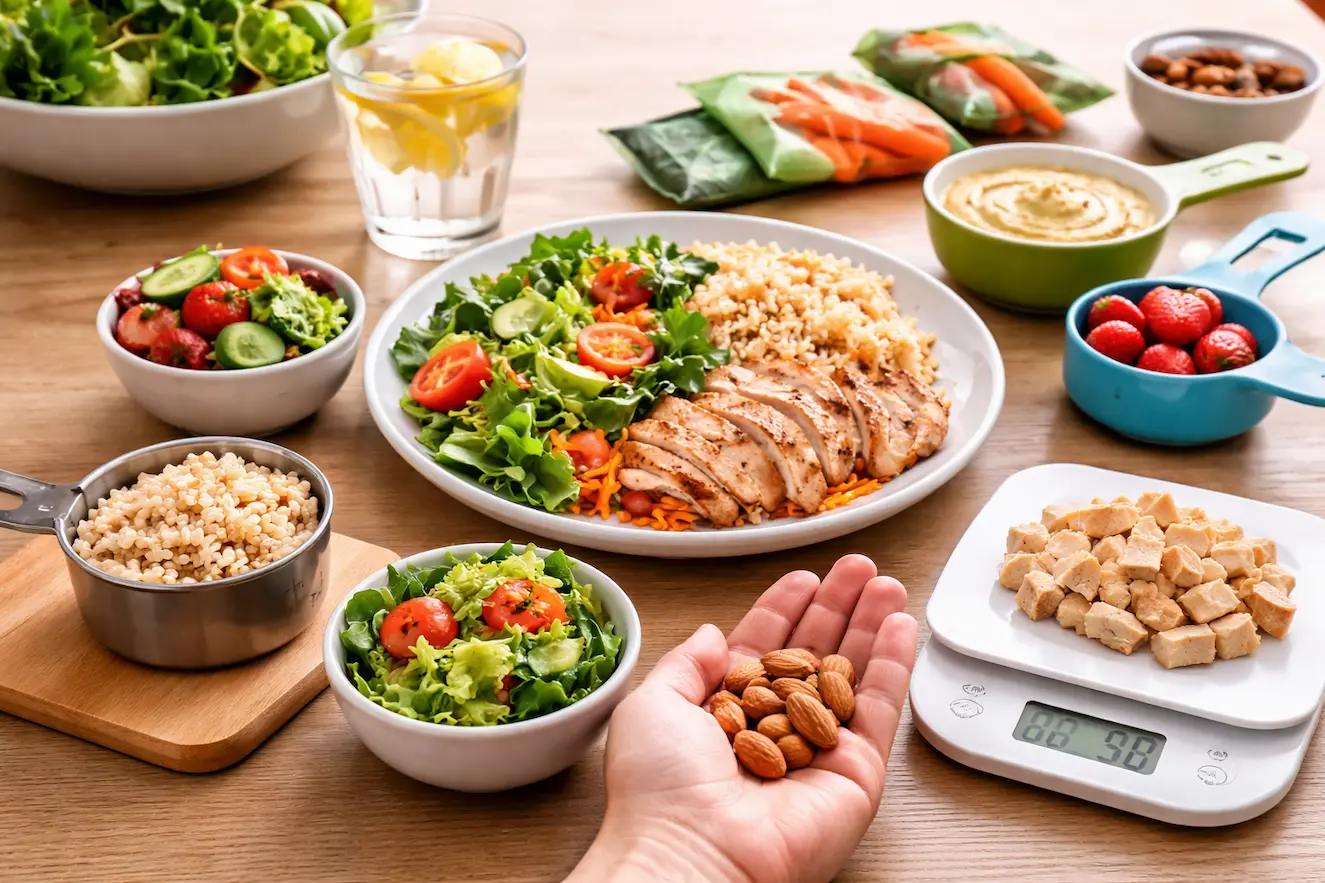
For many people, improving eating habits seems to begin with numbers. Calories are counted, serving sizes are measured, and every meal becomes something that needs to be calculated. While this approach works well for some individuals, others find that constantly tracking numbers makes eating feel more stressful than enjoyable. After a few weeks, the effort required to measure every bite often becomes difficult to maintain, leading many people to give up altogether.
Fortunately, developing better portion awareness doesn’t always require detailed calculations. It begins with paying closer attention to the everyday decisions that influence how much food ends up on your plate and how your body feels after a meal. These observations are simple, practical, and flexible enough to fit into daily life without turning every meal into a math exercise.
Portion awareness means eating a reasonable amount and avoiding strict food rules. It is about understanding your eating habits so that meals leave you feeling comfortably satisfied rather than overly full or still hungry shortly afterward. Like many healthy habits, this awareness develops gradually through regular practice rather than overnight changes.
We Often Decide Portion Sizes Before We Feel Hungry
Many people assume that hunger determines how much they eat, but they often make portion decisions long before the first bite. The size of the plate, the serving spoon, the amount of food prepared, or even the packaging a product comes in can quietly influence how much ends up being eaten.
Think about a family dinner where everyone serves themselves from large dishes placed in the middle of the table. It’s common to fill the plate based on appearance or habit rather than actual appetite. The same thing can happen with packaged snacks, where finishing the packet feels natural simply because that’s how the food was presented.
Recognizing these influences isn’t meant to create concern around eating. Instead, it helps explain that portion sizes are often shaped by environment and routine just as much as by physical hunger. Becoming aware of these influences is the first step toward making more intentional decisions.
Before Serving: Give Yourself a Moment to Think
The few seconds before serving a meal are often overlooked, yet they can have a surprisingly large influence on the entire eating experience. Many of us prepare food while thinking about work, conversations, television, or tomorrow’s plans. As a result, serving becomes automatic rather than deliberate.
Taking a brief moment to look at the meal before filling your plate encourages a different mindset. Instead of asking, “How much can fit on the plate?” you might naturally begin asking, “How much do I think I’ll need right now?” Although the difference seems small, it shifts attention toward your own appetite rather than external cues.
This habit doesn’t require exact measurements or special serving techniques. It simply encourages a little more awareness before the meal begins. Over time, these short pauses often become part of the routine, making portion decisions feel less automatic and more intentional.
While Eating: Give Your Appetite Time to Catch Up
The pace of a meal can influence how we experience it. Busy schedules often encourage eating quickly, whether it’s finishing lunch between meetings or eating dinner while completing household tasks. When meals happen in a rush, it’s easy to finish the plate before noticing how satisfied you actually feel.
Eating a little more slowly creates opportunities to pay attention to changes in appetite throughout the meal. This doesn’t mean counting bites or following strict eating techniques. Instead, it involves occasionally noticing whether you’re still eating because you’re hungry or simply because food remains on the plate.
Conversations with family, putting down utensils briefly between bites, or taking a sip of water from time to time naturally slow the pace of a meal without making eating feel unnatural. These small pauses give your attention a chance to return to the meal itself rather than remaining focused only on finishing it.
Satisfaction Is Different From Feeling Completely Full
Many people grow up believing that a successful meal ends with feeling completely full. While this may happen occasionally during celebrations or special occasions, everyday meals don’t always need to end that way. There is an important difference between feeling satisfied and feeling overly full.
Satisfaction often means your hunger has eased, your meal feels complete, and you can comfortably continue with the rest of your day. Feeling overly full, on the other hand, may leave you wanting to rest immediately or feeling uncomfortable for a period afterward. Learning to recognize this difference is one of the most useful parts of developing portion awareness.
This awareness doesn’t appear instantly. Like any skill, it improves through repeated observation. The more often you notice how your body feels during and after meals, the easier it becomes to recognize the amount of food that generally leaves you feeling comfortable rather than overly full.
Portion Awareness Looks Different for Every Meal
Breakfast, lunch, dinner, and snacks rarely follow exactly the same pattern. Some mornings you may wake up with a strong appetite, while on other days a lighter meal feels more appropriate. Physical activity, work schedules, weather, and even sleep quality can all influence how hungry you feel throughout the day.
Because of these natural differences, portion awareness should remain flexible rather than fixed. Instead of expecting every meal to look identical, focus on responding to your body’s needs within the context of your daily routine. A meal after a long walk may naturally be different from one eaten after several hours of sitting at a desk.
Accepting this flexibility removes much of the pressure that comes with trying to follow rigid portion rules. It encourages thoughtful decisions based on the situation rather than expecting the same amount of food to suit every day equally well.
The Hour After a Meal Can Teach You More Than the Meal Itself
Many people decide whether a meal was “right” immediately after finishing it. In reality, your body often needs a little time before you can accurately judge how satisfying the meal was. Paying attention to how you feel thirty to sixty minutes later can provide valuable insights that are easy to miss when you stand up from the table.
Perhaps you notice that you’re comfortably satisfied and able to continue your day without thinking much about food. On another occasion, you may realize you still feel hungry shortly after eating, suggesting the meal may have lacked enough variety or balance. There may also be times when you feel unusually uncomfortable because the portion was larger than you actually needed.
These observations aren’t meant to criticize individual meals. Instead, they help you understand how different portion sizes and meal compositions affect you over time. Looking at the period after eating often provides more useful information than focusing only on the meal itself.
Let Yesterday’s Experience Improve Tomorrow’s Meal
One advantage of portion awareness is that every meal becomes an opportunity to learn something practical. If yesterday’s lunch left you feeling hungry well before dinner, you might decide to include a more balanced combination of foods today. If last night’s dinner felt heavier than expected, you may naturally choose a lighter meal the following evening.
This approach is very different from following strict rules. Rather than forcing yourself to eat the same amount every day, you’re allowing previous experiences to guide future decisions. Over time, these small adjustments become part of your routine, making portion choices feel more natural and less dependent on guesswork.
Viewing meals as connected rather than isolated also reduces unnecessary pressure. One meal doesn’t have to be perfect because the next one provides another opportunity to make a thoughtful choice based on what you’ve already learned.
Portion Awareness in Everyday Situations
Daily life presents many different eating environments, and each one influences portion decisions in its own way. Developing awareness across these situations is often more practical than trying to apply one rule everywhere.
At home, serving meals from the kitchen instead of placing large serving dishes directly on the table may help you decide whether you truly want another portion before automatically reaching for more food. Small environmental changes like this often encourage more mindful decisions without making meals feel restrictive.
Restaurants present a different challenge because portions are sometimes larger than what you would normally prepare at home. Instead of feeling obligated to finish everything on the plate, it can be helpful to focus on eating until you feel comfortably satisfied. What remains can often be saved for another meal if appropriate.
Family gatherings and celebrations deserve a flexible approach. Food is often an important part of spending time together, and enjoying favourite dishes is completely normal. Rather than worrying about one special occasion, think about your overall eating habits across the week. A balanced lifestyle is shaped by long-term patterns, not by one holiday meal or weekend celebration.
Busy workdays can also influence portion choices. Skipping meals or eating in a hurry sometimes leads to becoming much hungrier later in the day. Planning simple, balanced meals and allowing enough time to eat when possible can make portion decisions feel more manageable even during demanding schedules.
A Simple Observation Guide
Instead of counting calories or weighing food, try noticing how different situations influence your eating decisions.
| Situation | What to Notice | Possible Adjustment |
|---|---|---|
| Preparing a meal at home | Are you serving food out of habit or based on today’s appetite? | Pause briefly before serving and consider what feels appropriate. |
| Eating at a restaurant | Are you continuing to eat because food is still available? | Pay attention to comfort and satisfaction rather than finishing the plate automatically. |
| Family meals or celebrations | Are you enjoying the occasion while staying aware of your appetite? | Eat at a relaxed pace and allow yourself to enjoy the meal without rushing. |
| Busy workdays | Have long gaps between meals increased your hunger? | Plan regular meals or simple snacks that fit your schedule. |
| Evening meals | How do you usually feel an hour after dinner? | Use that experience to guide future portion decisions instead of judging one meal alone. |
The purpose of this table isn’t to create another set of rules. It’s simply a reminder that paying attention to everyday experiences often teaches more than relying on numbers alone.
Awareness Grows Through Practice, Not Perfection
No one judges portion sizes perfectly every day. Appetite naturally changes depending on physical activity, work demands, sleep, weather, and countless other factors. Expecting every meal to be exactly the same would ignore how dynamic everyday life really is.
The value of portion awareness comes from repeated observation rather than perfect consistency. Some meals will leave you feeling more satisfied than others, and that’s completely normal. Each experience provides useful information that can help shape future choices without requiring strict control over every plate of food.
With time, many people find they spend less effort thinking about portion sizes because the habit of paying attention becomes more natural. Instead of relying on external rules, they begin trusting the patterns they’ve observed in their own daily routine.
Conclusion
Developing portion awareness doesn’t require calculators, strict food rules, or constant tracking. It begins with noticing how everyday choices are made before, during, and after meals, then using those experiences to make future decisions with greater confidence. By observing your appetite, eating pace, and satisfaction instead of relying only on external numbers, you gradually build habits that feel practical and sustainable.
Over time, these small observations become part of a healthier relationship with food. Rather than aiming for perfect portion sizes at every meal, you learn to respond to your body’s natural signals while adapting to different situations and routines. This balanced approach supports everyday eating habits that are easier to maintain because they are built on awareness instead of restriction.