Preparing healthier meals is often presented as a major lifestyle project. Social media is filled with elaborate recipes, perfectly arranged meal-prep containers, and ingredient lists that seem to require a special trip to the supermarket. It’s easy to come away with the impression that eating more nutritiously means replacing everything you currently cook with something completely different.
For most people, however, everyday cooking doesn’t happen under perfect conditions. Dinner is prepared after work, breakfast is squeezed into a busy morning, and lunch often needs to be quick enough to fit between meetings or household responsibilities. When healthy eating feels too complicated, it’s often the routine—not the intention—that begins to fall apart.
A more practical approach is to improve the meals you already make instead of starting from scratch. Small, thoughtful changes can gradually increase variety and nutritional balance without turning cooking into a time-consuming project. These upgrades don’t demand advanced cooking skills or expensive ingredients. They simply encourage looking at familiar meals through a different lens.
Every Meal Is a Series of Small Decisions
When we think about cooking, we usually focus on the finished meal. In reality, every plate is shaped by dozens of small choices made along the way. Deciding whether to grill or fry, adding vegetables or leaving them out, choosing water instead of a sugary drink, or including a source of protein all influence the overall balance of the meal.
What’s interesting is that these decisions rarely happen all at once. They unfold naturally while preparing food, often without much thought. Because the choices seem small, it’s easy to underestimate how much they contribute to our everyday eating habits over weeks and months.
Looking at meals as a collection of decisions rather than a single recipe makes healthy eating feel much more flexible. You don’t have to redesign dinner from the ground up. Sometimes improving just one decision can noticeably change the quality of the meal.
Think About Improving, Not Replacing
One reason people abandon healthier eating plans is the belief that favourite meals must disappear completely. If someone enjoys pasta, rice dishes, sandwiches, or homemade curries, they may assume these foods no longer fit into a balanced eating routine. This all-or-nothing thinking often makes change feel more difficult than it needs to be.
Instead of asking, “What should I stop eating?” try asking, “What could make this meal a little more balanced?” That simple shift opens the door to practical improvements without creating unnecessary restrictions. A familiar meal remains familiar, but it gradually becomes more satisfying and varied.
This mindset is often easier to maintain because it respects existing routines. Rather than creating an entirely new way of cooking, it builds on habits that already exist, making long-term consistency much more realistic.
Follow One Ordinary Day of Meals
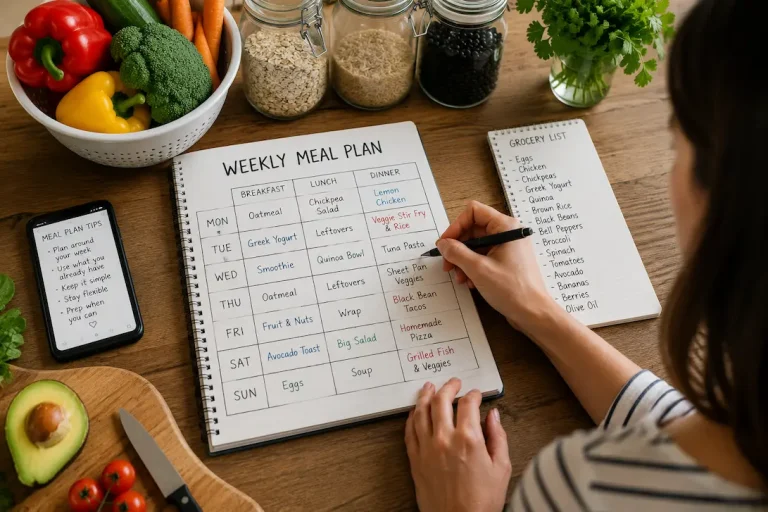
Imagine a typical weekday rather than a perfectly planned menu. Breakfast might be something quick before work, lunch may need to fit into a busy schedule, and dinner could be prepared after a long day when energy is limited. This is how many households actually eat, which makes it the best place to explore realistic improvements.
The breakfast doesn’t need to become an elaborate recipe. Perhaps it’s already something you enjoy eating regularly. Instead of replacing it, you might simply include one additional food that contributes more variety or helps the meal feel satisfying for longer. The preparation time changes very little, yet the meal becomes more complete.
By lunchtime, convenience often becomes the biggest influence. Rather than searching for an entirely new lunch idea every day, consider whether one small adjustment could improve the meal you’ve already prepared. Maybe it includes a greater variety of colourful vegetables, an additional source of protein, or a piece of fruit alongside it. None of these changes dramatically increase cooking time, but together they gradually improve everyday eating patterns.
Dinner offers another opportunity for practical upgrades without unnecessary complexity. Instead of preparing separate meals for different family members or experimenting with unfamiliar recipes every evening, small adjustments can quietly improve meals everyone already enjoys. Over time, these repeated improvements become part of the normal cooking routine rather than feeling like extra work.
Sometimes Adding Is More Helpful Than Taking Away
Nutrition advice often focuses on removing foods, cutting ingredients, or avoiding certain meals altogether. While there are situations where reducing particular foods may be appropriate, everyday cooking can also improve simply by adding more variety instead of concentrating only on restrictions.
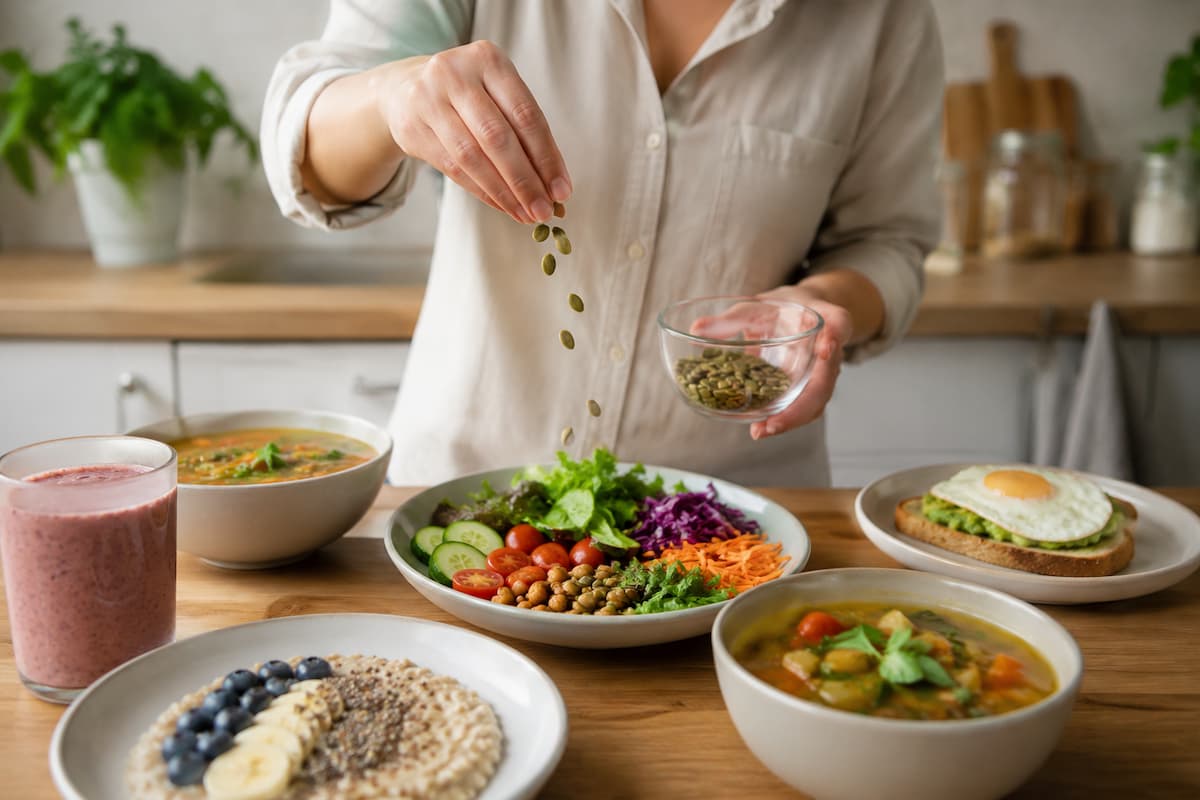
For example, adding another vegetable to a favourite dish, including beans in a soup, serving fresh fruit alongside breakfast, or mixing different whole foods into an existing recipe can increase variety without changing the meal beyond recognition. These additions often happen naturally because they build on foods you’re already preparing.
This approach also feels less restrictive. Instead of viewing healthy eating as a list of foods that are no longer allowed, it becomes an opportunity to make familiar meals work a little harder for your overall nutrition. Many people find this mindset easier to sustain because it encourages curiosity rather than limitation.
Ask a Different Question Before Every Meal
Most people decide what to eat by asking practical questions. “What’s quick?” “What’s already in the fridge?” “What do I feel like eating?” These are reasonable questions, especially during busy days, but they don’t always encourage balanced choices.
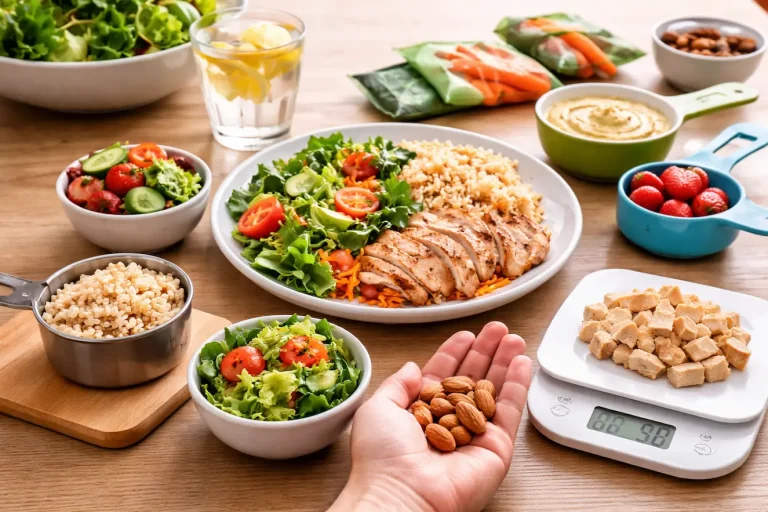
A useful alternative is asking, “What could make this meal support me for longer?” That single question naturally shifts your attention toward the overall quality of the meal instead of focusing only on convenience or immediate cravings. It encourages you to think about balance, satisfaction, and variety without requiring detailed knowledge of nutrition.
Interestingly, this question doesn’t force a particular answer. Some meals may benefit from more vegetables, others from an additional source of protein, while another may simply need a more balanced combination of foods. The important part is developing the habit of looking for small improvements rather than expecting every meal to be perfect.
Practical Upgrades for Different Everyday Situations
The same meal doesn’t always need the same approach. A quiet weekend lunch is very different from a rushed breakfast before work or a late dinner after a long day. Recognizing these differences makes healthy eating feel more realistic because it adapts to your schedule instead of expecting every meal to be planned perfectly.
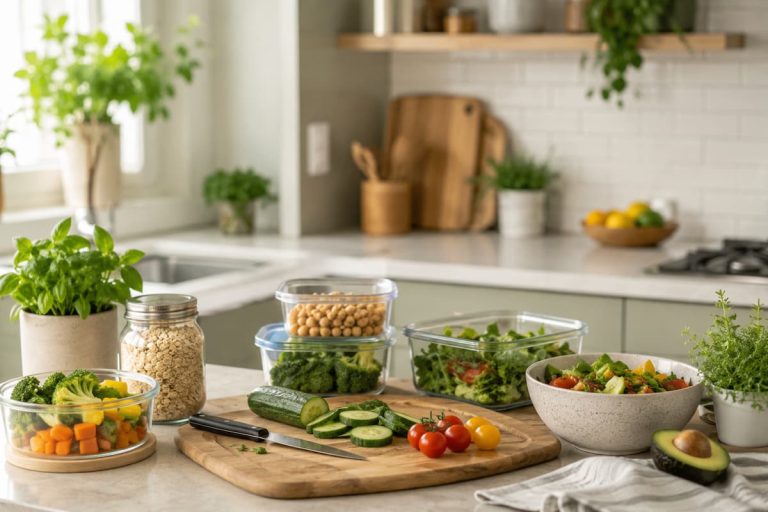
On busy workdays, the most helpful upgrade is often preparation rather than cooking. Having washed vegetables, cooked grains, or simple protein options ready in the refrigerator makes it easier to assemble balanced meals without spending extra time in the kitchen. The goal isn’t to prepare an entire week’s worth of food—it is simply to make tomorrow’s meal easier than today’s.
Family meals present another opportunity for practical improvements. Instead of cooking separate dishes for different people, consider making small changes to the meal everyone already enjoys. Adding another vegetable side, serving fresh fruit after dinner, or offering water alongside the meal are simple adjustments that fit naturally into existing routines.
When eating alone, convenience often becomes the deciding factor. This is where balanced pantry staples can make a difference. Keeping ingredients that store well and require minimal preparation allows you to put together satisfying meals even on days when cooking feels like a chore. Healthy eating becomes easier when good options are already available.
Small Improvements Often Have the Biggest Long-Term Impact
One reason many eating plans fail is that they demand dramatic changes all at once. A person might completely change their shopping habits, remove favourite meals, and attempt complicated recipes every evening. While enthusiasm may be high at first, maintaining that level of effort becomes difficult as everyday responsibilities return.
Small improvements work differently. They fit into existing routines, making them easier to repeat. Choosing one practical upgrade this week and another next week may seem modest, but after several months those changes often add up to a noticeably different way of eating.
This gradual approach also reduces pressure. Missing one opportunity to improve a meal doesn’t mean the day has failed. Every meal provides another chance to make a thoughtful decision, allowing progress to continue without chasing perfection.
Simple Meal Upgrade Ideas
Rather than completely changing familiar meals, consider how one practical adjustment can improve their overall balance.
| Original Meal | Practical Upgrade | Why It Helps |
|---|---|---|
| Toast with a spread | Add fruit and a source of protein such as yogurt or eggs | Creates a more satisfying breakfast with greater variety. |
| Rice-based meal | Include an extra serving of vegetables | Adds colour, texture, and nutritional variety without changing the main dish. |
| Sandwich | Add salad vegetables and choose a balanced filling | Makes the meal more filling and increases everyday nutrient intake. |
| Pasta dinner | Mix vegetables into the sauce and include a protein source | Creates a more balanced meal while keeping the same favourite recipe. |
| Afternoon snack | Pair fruit with nuts or yogurt | Helps create a snack that may feel satisfying for longer than eating either food alone. |
These examples are not strict rules or recipes. Their purpose is to show how familiar meals can gradually become more balanced through practical adjustments rather than complete replacements.
Common Mistakes When Trying to Eat Healthier
A common misunderstanding is believing that healthier meals must always be more expensive or time-consuming. While some recipes require additional preparation, many everyday improvements involve ingredients already found in an ordinary kitchen. Looking for simple additions rather than elaborate recipes often produces better long-term results.
Another mistake is expecting every meal to be perfectly balanced. Daily life includes celebrations, travel, busy schedules, and unexpected changes. Judging your entire eating pattern by one meal can create unnecessary frustration. Looking at your habits across several days or weeks usually provides a much more accurate picture.
People also tend to underestimate the value of consistency. Preparing balanced meals occasionally is helpful, but repeating small improvements week after week often has a greater influence on everyday eating habits than making one dramatic change that quickly becomes difficult to maintain.
Frequently Asked Questions
Do healthier meals always take longer to prepare?
Not necessarily. Many practical meal upgrades involve small adjustments to foods you already prepare, such as adding vegetables, choosing a different cooking method, or including another source of protein. These changes often require very little additional time.
Is it better to completely change my diet at once?
For many people, gradual improvements are easier to maintain. Building on familiar meals can make healthier eating feel more practical and sustainable than trying to replace every meal immediately.
What if I don’t enjoy cooking?
You don’t need advanced cooking skills to improve everyday meals. Simple combinations of familiar ingredients, convenient healthy options, and basic preparation techniques can support balanced eating without making cooking complicated.