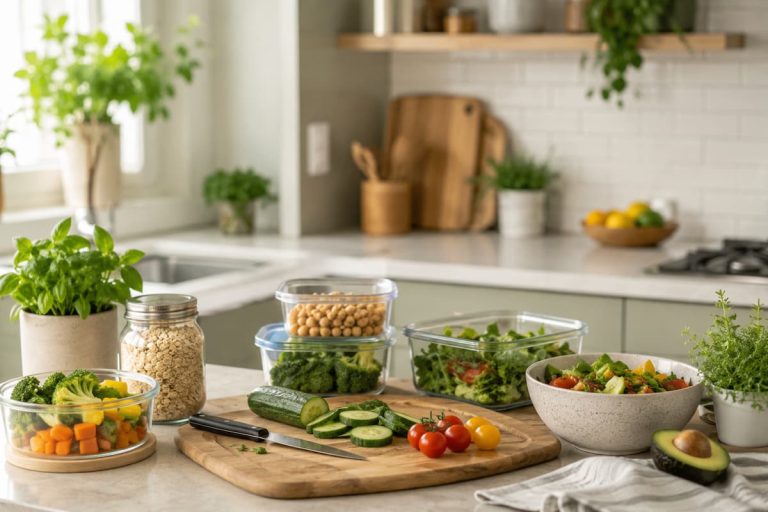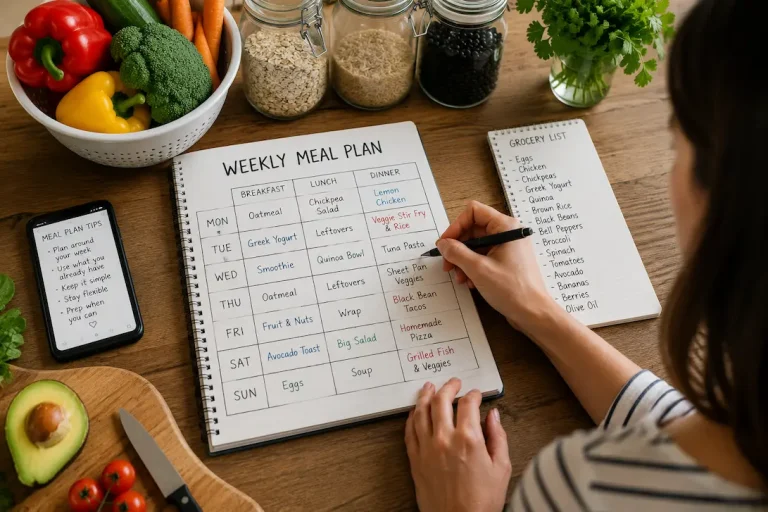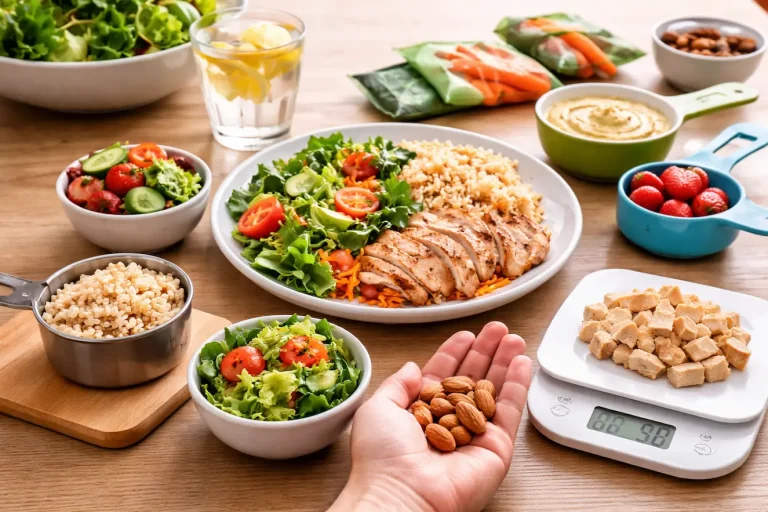
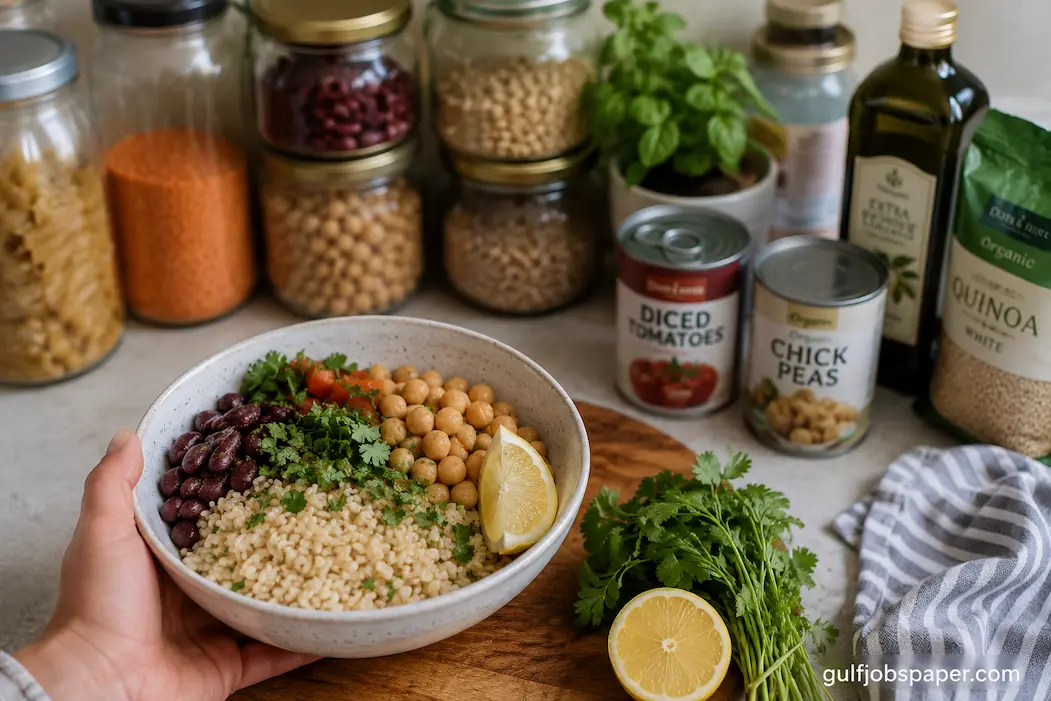
A balanced meal doesn’t always begin with a carefully planned recipe or a shopping trip for specialty ingredients. In many homes, the ingredients needed for satisfying and nutritious meals are already sitting in the pantry, refrigerator, or freezer. The challenge is often knowing how to combine them in practical ways rather than believing you need something new every time you cook.
It’s easy to open the pantry, see a collection of unrelated ingredients, and assume there’s nothing useful to prepare. A bag of rice, a few cans of beans, some pasta, oats, frozen vegetables, and a handful of seasonings may not look exciting on their own, but together they can become the foundation for many different meals. Learning to see ingredients as building blocks instead of isolated items changes the way you approach everyday cooking.
This way of thinking offers several advantages. It reduces unnecessary grocery trips, helps make better use of foods you already own, and often decreases food waste because ingredients are used more consistently. Most importantly, it makes balanced eating feel achievable even during weeks when shopping opportunities or cooking time are limited.
Think About Meal Components Instead of Complete Recipes
When people wonder what to cook, they often start by searching for a recipe. While recipes can provide inspiration, relying on them for every meal sometimes makes cooking feel more complicated than necessary. If one ingredient is missing, the entire plan may seem impossible.
A simpler approach is to think about the different parts of a meal rather than the finished dish. Most satisfying meals include a combination of foods that provide energy, variety, and lasting satisfaction. Instead of asking, “What recipe should I make?” try asking, “What ingredients do I already have that work well together?”
For example, if you have a source of protein, a grain or another filling ingredient, and some vegetables or fruit, you’re already well on your way to creating a balanced meal. Small additions such as herbs, spices, yogurt, nuts, or a drizzle of olive oil can add extra flavor and texture without requiring an entirely different shopping list.
This flexible way of planning also makes it easier to adjust meals according to what needs to be used first. Rather than following a recipe exactly, you’re creating meals based on what’s already available in your kitchen.
Make Your Pantry Work Harder
Many pantry ingredients are surprisingly versatile, yet they’re often used for only one or two familiar recipes. Learning to use these foods in different ways helps create more variety while reducing the need to buy additional ingredients.
Rice, for example, can accompany vegetable dishes, become the base for grain bowls, or be added to soups and simple mixed meals. Oats don’t have to appear only at breakfast—they can also be used in baking or combined with yogurt and fruit for quick snacks. Pasta pairs well with vegetables, beans, canned fish, or tomato-based sauces depending on what’s available.
Canned beans and lentils are another excellent example of flexibility. They can become part of soups, salads, grain bowls, wraps, or simple one-pan meals. Because they store well, they provide dependable options during weeks when fresh ingredients may be running low.
Herbs and spices deserve attention too. The same basic ingredients can taste surprisingly different depending on the seasonings you choose. A familiar pantry meal can feel completely new simply by changing the herbs, spices, or seasoning blends used during cooking.
Thinking this way encourages creativity rather than constant shopping. Instead of asking what you’re missing, you begin noticing how many possibilities already exist inside your pantry.
Let One Ingredient Guide the Meal
When you’re unsure what to prepare, selecting one main ingredient often makes the rest of the meal easier to build. Instead of trying to plan everything at once, allow that ingredient to become the starting point.
If Beans Are the Starting Point
Beans are filling, versatile, and combine well with many pantry staples. Pairing them with rice, whole grains, vegetables, or simple seasonings creates satisfying meals without requiring complicated preparation. They also work well in soups, wraps, or mixed grain bowls depending on what other ingredients are available.
If Eggs Are Available
Eggs can adapt to almost any time of day. Combined with vegetables, whole-grain toast, potatoes, or cooked grains, they provide a quick foundation for balanced meals. Their short cooking time also makes them especially useful during busy evenings when lengthy preparation isn’t practical.
If Rice Is Already Cooked
Cooked rice provides flexibility because it pairs well with a wide variety of ingredients. Add beans for a simple grain bowl, combine it with frozen vegetables for a quick stir-style meal, or serve it alongside eggs or canned fish for a satisfying dinner. One batch of cooked rice can support several different meals throughout the week without feeling repetitive.
If Potatoes Are What You Have
Potatoes are often underestimated because they’re viewed mainly as a side dish. In reality, they can become the center of a balanced meal when combined with vegetables and a protein source. Baked, roasted, boiled, or mashed, they adapt easily to different cooking styles and help create filling meals using ingredients already available at home.
If Canned Fish Is in the Pantry
Shelf-stable options such as canned tuna or salmon provide a convenient protein source that requires very little preparation. Combined with whole grains, potatoes, salads, or cooked vegetables, they can quickly become part of a balanced meal on days when fresh protein isn’t available.
Rather than treating canned foods as emergency supplies, consider them dependable pantry staples that help make balanced eating easier throughout the week.
Small Additions Can Completely Change Familiar Meals
One reason people become bored with pantry-based meals is that they prepare the same ingredients in exactly the same way every time. Fortunately, creating variety doesn’t necessarily require buying more food. Often, a few simple additions can make familiar meals feel fresh while using the ingredients you already have.
Herbs and spices are among the easiest ways to introduce new flavors. The same rice and bean combination can taste very different depending on whether it’s seasoned with garlic and herbs, mild curry spices, smoked paprika, or a squeeze of fresh lemon at the end of cooking. These small changes help prevent meals from feeling repetitive without requiring an entirely new recipe.
Texture also makes a noticeable difference. Adding a handful of nuts or seeds to a salad or grain bowl, mixing plain yogurt into a sauce, or topping a meal with fresh herbs can create more interesting combinations while keeping preparation simple. These additions don’t need to be expensive or complicated—they simply provide another way to enjoy foods that are already part of your routine.
Balanced Meals Are Still Possible When Fresh Foods Are Limited
There will inevitably be times when your refrigerator contains fewer fresh ingredients than usual. Busy schedules, delayed shopping trips, or unexpected changes in plans can all make it difficult to keep fresh produce fully stocked. Fortunately, this doesn’t mean balanced meals are out of reach.
Frozen vegetables and fruits are practical options because they store well and are available whenever they’re needed. They can be added directly to soups, rice dishes, pasta, or stir-style meals without requiring extra preparation. Similarly, canned vegetables, beans, tomatoes, and other shelf-stable foods provide dependable ingredients that help extend your meal options between grocery trips.
Keeping a combination of pantry staples, frozen foods, and a few long-lasting fresh ingredients creates flexibility throughout the week. Instead of worrying about running out of meal ideas, you have several dependable ingredients that can be combined in different ways whenever needed.
A Simple Pantry Meal Builder
Rather than searching for a completely new recipe each time you cook, start with one familiar ingredient and build around it using foods you already have available.
| Starting Ingredient | Add This | Balanced Meal Idea |
|---|---|---|
| Rice | Beans, frozen vegetables, herbs | Simple grain bowl |
| Pasta | Vegetables, canned tomatoes, protein source | Easy pasta meal |
| Oats | Yogurt, fruit, nuts or seeds | Balanced breakfast or snack |
| Potatoes | Eggs or beans, vegetables | Filling everyday meal |
| Canned Beans | Rice, leafy vegetables, seasonings | Quick one-pot meal |
| Canned Fish | Whole grains, salad, vegetables | Simple lunch or dinner |
| Lentils | Rice or bread, vegetables | Hearty pantry meal |
The purpose of this table isn’t to provide strict recipes. Instead, it shows how a single pantry ingredient can become the starting point for many different balanced meals depending on what else is available.
Common Pantry Cooking Mistakes
Even a well-stocked pantry won’t be used effectively if certain habits make everyday cooking more difficult.
One common mistake is relying on only a few familiar ingredients while ignoring other foods already available. This often creates unnecessary boredom and increases the temptation to buy more groceries despite having plenty of useful ingredients at home.
Another mistake is forgetting about frozen foods. Vegetables and fruit stored in the freezer can provide valuable flexibility during busy weeks, yet many households overlook them until they’re buried beneath newer purchases.
Some people also underestimate the importance of herbs, spices, and simple seasonings. Preparing the same ingredients with exactly the same flavors each week naturally leads to repetitive meals. Experimenting with different seasoning combinations often creates far more variety than buying entirely new foods.
Finally, leftovers are sometimes treated as something to avoid rather than an opportunity to simplify future meals. Reusing cooked grains, vegetables, or protein sources in different combinations saves time while helping reduce food waste.
Frequently Asked Questions
Do I need a fully stocked pantry to prepare balanced meals?
No. Even a modest collection of everyday staples can support many satisfying meals. Learning how to combine the ingredients you already have is often more valuable than constantly expanding your pantry.
Can frozen foods be part of balanced meals?
Yes. Frozen vegetables and fruits are convenient, store well, and pair easily with pantry ingredients such as grains, beans, pasta, and proteins. They can be especially helpful during busy weeks or between grocery trips.
How can I make pantry meals feel less repetitive?
Changing seasonings, using different combinations of ingredients, and varying cooking methods can make familiar foods feel surprisingly different. Small adjustments often provide more variety than purchasing completely new ingredients.