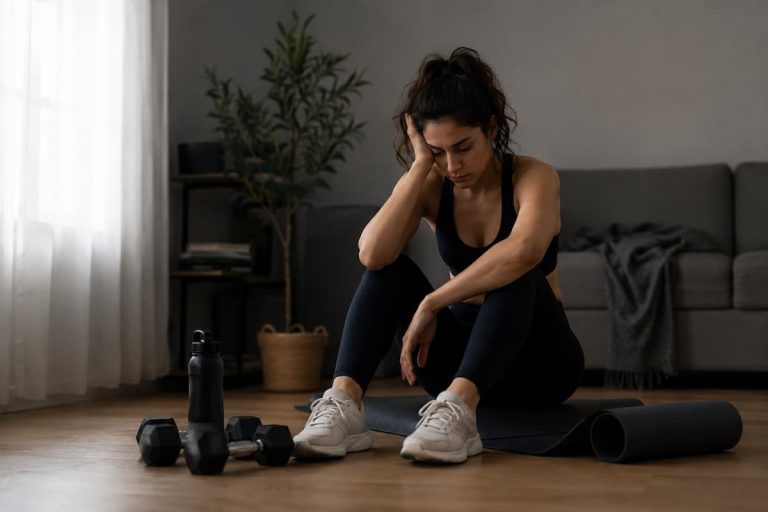
One of the most common moments of disappointment in a home fitness journey happens when someone steps on the scale after several weeks of consistent exercise and sees little or no change. It’s easy to assume that all the effort has been wasted, especially when body weight becomes the only way progress is measured. Yet this conclusion often overlooks many meaningful improvements that are already taking place.
A bathroom scale can only tell you how much your body weighs at a particular moment. It cannot measure whether climbing stairs has become easier, whether your balance has improved, or whether you recover more comfortably after everyday activities. It also doesn’t reflect the confidence that develops when movements that once felt difficult begin to feel natural. These changes are often the first signs that your routine is making a positive difference.
Looking beyond the scale allows you to appreciate progress in a broader and more realistic way. Instead of waiting for one number to change, you begin noticing how your body moves, how you feel throughout the day, and how everyday tasks gradually become less demanding. These improvements may appear quietly, but together they often provide a much clearer picture of long-term fitness than body weight alone.
Why the Scale Only Shows Part of the Picture
Body weight naturally changes from day to day for many ordinary reasons. Meal timing, hydration, clothing, and daily routines can all influence what the scale shows on a particular morning. Because these short-term changes are normal, focusing too closely on individual weigh-ins can sometimes create unnecessary frustration.
Another limitation is that the scale doesn’t explain why your weight has changed or stayed the same. Two people with identical body weights may have completely different activity levels, strength, endurance, and movement quality. Likewise, someone following a consistent home workout routine may experience meaningful improvements in physical fitness even if their weight changes very slowly.
This doesn’t mean the scale has no value. For some people it can be one useful measurement among many. The important point is that it shouldn’t become the only way you decide whether your efforts are worthwhile. A broader view usually provides a much more accurate understanding of your progress.
Everyday Activities Often Reveal Progress First
Long before visible physical changes appear, many people begin noticing small improvements in their daily routines. These changes are easy to overlook because they happen gradually, yet they often reflect growing strength, endurance, and confidence.
Perhaps carrying shopping bags no longer feels as tiring as it once did. Walking upstairs may require less effort, or standing while preparing meals becomes more comfortable than it was a few months earlier. Household tasks that previously left you feeling fatigued may begin to feel more manageable without you consciously noticing the difference at first.
Even simple movements can become smoother with regular activity. Getting up from the floor, reaching overhead, lifting everyday objects, or playing with children may gradually require less effort. While these improvements don’t appear on a scale, they often have a much greater impact on everyday quality of life because they make ordinary activities feel easier and more comfortable.
Performance Is One of the Clearest Signs of Improvement
One of the most encouraging ways to measure progress is by looking at what your body can do today compared with several weeks or months ago. Performance tends to improve gradually through consistent practice, making it an excellent indicator of long-term development.
For example, exercises that once felt challenging may become easier to complete with good technique. You might find yourself finishing an extra repetition, holding a balance exercise for a little longer, or completing a familiar workout with greater confidence than before. These improvements often arrive so gradually that they are easy to miss unless you occasionally compare your current abilities with where you started.
Performance also includes endurance. A walk that previously felt tiring may now feel comfortable, allowing you to continue for longer without feeling as fatigued. Similarly, short home workouts that once required frequent breaks may begin to feel smoother as your fitness gradually develops. These practical improvements often provide stronger evidence of progress than changes in body weight alone.
Confidence in Movement Is Progress Too
Fitness isn’t measured only by strength or endurance. Feeling more confident during movement is another meaningful sign that your home workouts are making a difference. Confidence develops as familiar exercises begin to feel less intimidating and your body becomes more comfortable with regular activity.
Someone who once hesitated before trying new movements may gradually become willing to explore different exercises or increase their activity level because they trust their abilities more than before. This growing confidence often encourages greater consistency, creating a positive cycle where regular movement leads to even more experience and comfort.
Although confidence cannot be measured with a number, it often changes the way people approach physical activity. Instead of worrying about whether they can complete a workout, they begin focusing on enjoying the process and gradually improving over time.
Build a Personal Progress Checklist
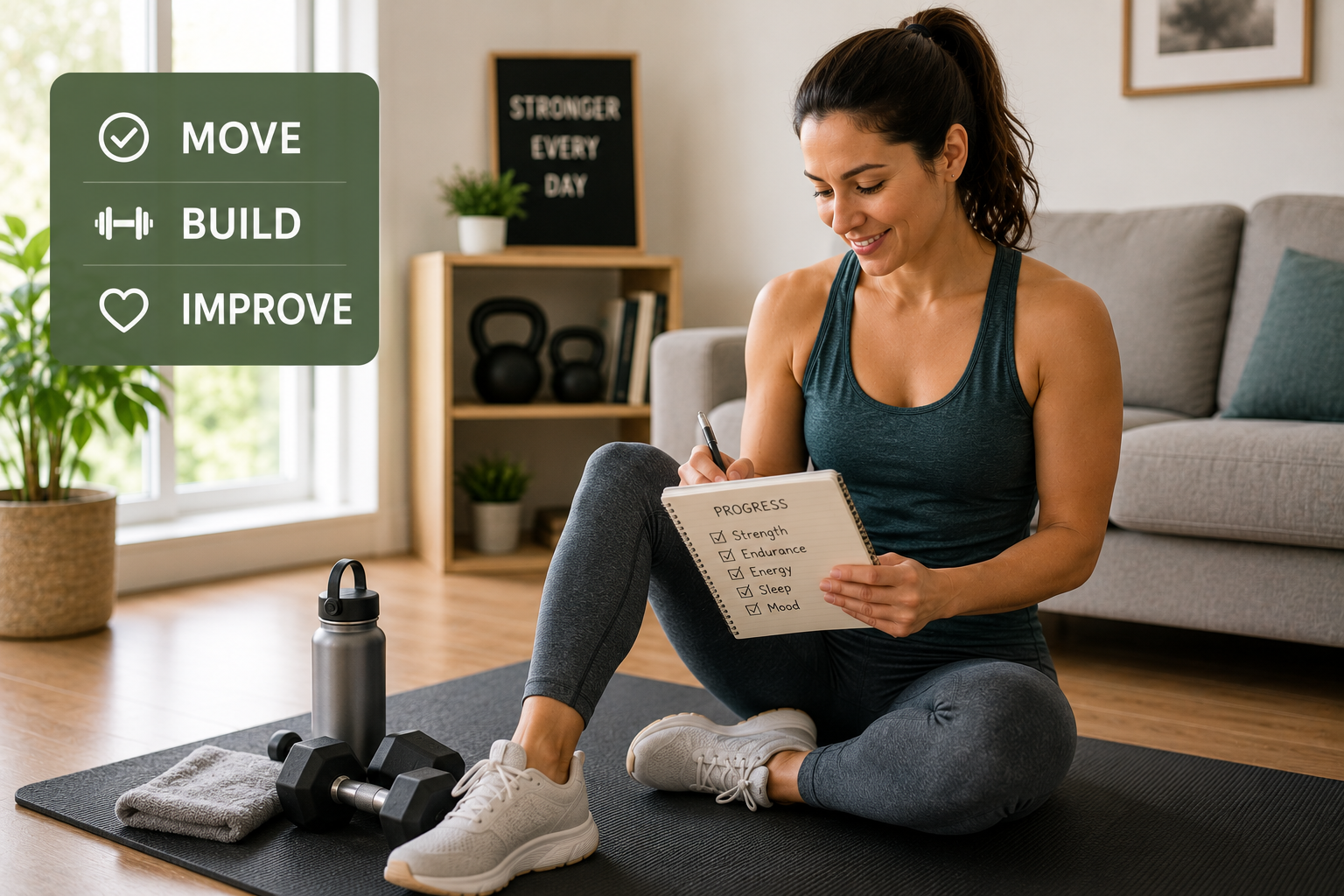
Rather than relying on one measurement, many people find it helpful to review several practical indicators of progress at the end of each week. Looking at a combination of observations provides a more balanced picture of how your routine is developing.
Ask yourself questions such as whether you completed the workouts you planned, whether everyday movement felt easier, whether your energy remained steady during the week, and whether exercises seemed more comfortable than they did a month ago. These observations don’t require complicated tracking systems, but together they often reveal meaningful progress that a scale simply cannot show.
By using a personal checklist instead of a single number, you shift your attention toward habits, consistency, and everyday improvements. This broader perspective makes it easier to stay motivated because success is measured through many positive changes rather than waiting for one specific result.
Compare Your Progress From Month to Month
One of the easiest mistakes people make is checking progress too often. Looking for noticeable changes after every workout or every few days can make it seem as though nothing is improving, even when you’re building healthy habits consistently. Fitness develops gradually, which is why comparing longer periods usually provides a more accurate picture.
Instead of asking whether today’s workout felt better than yesterday’s, compare where you are now with where you were one or two months ago. Are exercises becoming more familiar? Do you recover more comfortably after activity? Can you complete movements that once felt challenging without needing as many breaks? These comparisons highlight steady improvement rather than temporary daily differences.
Monthly reviews also help you appreciate consistency. Completing regular workouts over several weeks, even if some sessions were shorter than planned, often contributes more to long-term progress than a few intense workouts followed by long periods of inactivity.
A Simple Progress Comparison Beyond Body Weight
The table below illustrates how home workout progress can be viewed from different perspectives instead of depending entirely on the number shown by a scale.
| The Scale Measures | Home Workout Progress Can Also Include |
|---|---|
| Body weight on one particular day | Greater strength during familiar exercises |
| Short-term weight changes | Improved balance and coordination |
| One numerical measurement | Better flexibility and range of motion |
| No information about daily movement | More comfortable everyday activities |
| Doesn’t reflect confidence | Increased willingness to stay active |
| Doesn’t show consistency | Regular workout habits maintained over time |
Looking at progress through multiple observations creates a more balanced understanding of your fitness journey. While body weight may remain one useful measurement, it becomes only one part of a much larger picture.
Small Improvements Often Lead to Bigger Results
It’s natural to hope for noticeable changes quickly, but lasting fitness is usually built through many small improvements that accumulate over time. Performing one extra repetition, feeling steadier during balance exercises, or finishing a workout with a little more energy may seem like minor achievements individually. Together, however, they represent meaningful progress.
These gradual improvements often create positive momentum. As exercises become more familiar, confidence grows. Increased confidence encourages greater consistency, and regular practice allows new improvements to appear naturally. Rather than waiting for dramatic transformations, recognizing these smaller successes helps maintain motivation throughout the journey.
This approach also reduces unnecessary pressure. Every workout doesn’t need to feel extraordinary to be worthwhile. Even an ordinary session contributes to the habit you’re building, and habits maintained over months usually have a greater impact than occasional bursts of intense effort.
Avoid Comparing Your Progress With Others
Home workouts are highly personal because everyone’s starting point, available time, and goals are different. Comparing your progress with someone else’s online transformation or fitness journey rarely provides useful information. What appears to be a quick result may represent months or even years of consistent work behind the scenes.
A much more meaningful comparison is between your current abilities and your own past performance. If you’re moving more comfortably, exercising more consistently, or feeling stronger during everyday tasks than you did several months ago, those changes represent genuine progress regardless of how someone else’s journey looks.
Keeping the focus on your own development also makes the process more enjoyable. Instead of chasing unrealistic expectations, you begin appreciating improvements that reflect your lifestyle, your schedule, and your personal goals.
Frequently Asked Questions
Should I stop using the scale completely?
Not necessarily. The scale can be one useful measurement if it aligns with your personal goals. However, it’s usually most helpful when combined with other signs of progress such as strength, endurance, consistency, and improvements in everyday movement.
How often should I evaluate my progress?
Many people find that reviewing progress every few weeks or once a month provides a clearer picture than checking every day. Longer review periods make it easier to recognize genuine trends instead of reacting to normal daily fluctuations.
What if I don’t notice improvements right away?
Fitness often develops gradually. Continuing to practice consistently while paying attention to everyday activities, exercise performance, and overall confidence usually provides a more realistic picture of progress than expecting immediate visible changes.
Conclusion
The number on a scale can provide one piece of information, but it should never become the only measure of success. Home workouts influence many aspects of daily life that body weight simply cannot capture, from improved strength and endurance to greater confidence and easier movement during ordinary activities. Focusing only on weight may cause you to overlook these valuable signs of progress.
By paying attention to performance, consistency, everyday comfort, and the gradual improvements that appear over time, you create a more complete and encouraging way to evaluate your fitness journey. The most meaningful progress isn’t always reflected in a number—it’s often seen in the way you move, the confidence you build, and the healthy habits that become part of your daily life long before the scale tells the whole story.