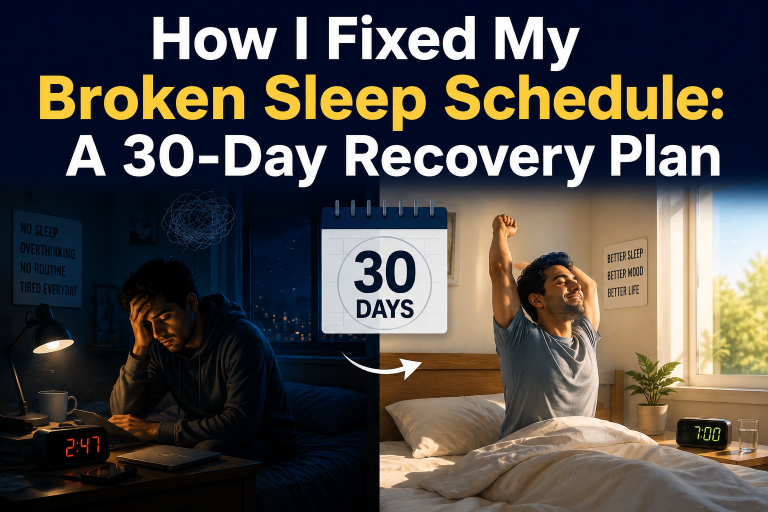
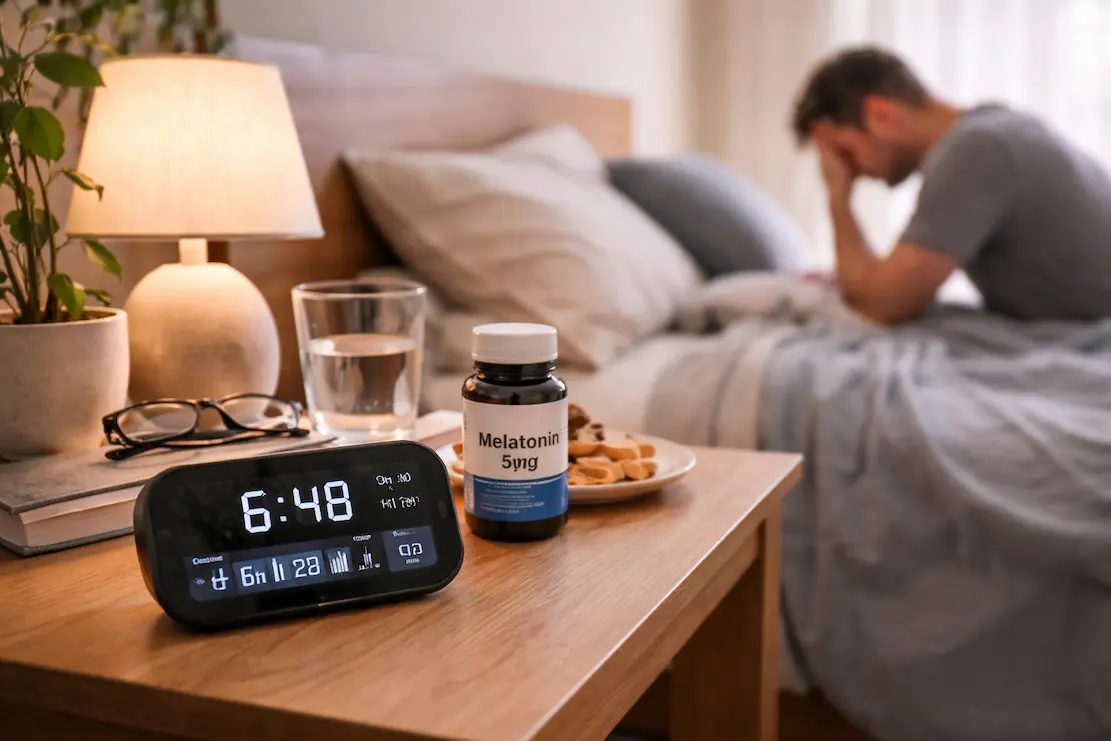
You’ve probably experienced it before. You go to bed at a reasonable hour, wake up after what seems like a full night’s sleep, and expect to feel refreshed. Instead, the morning begins with heavy eyelids, slow thinking, and an overwhelming desire for another cup of coffee. By lunchtime, your energy has already started fading, leaving you wondering why eight hours of sleep didn’t produce the results you expected.
It’s easy to assume that the number of hours spent in bed determines how energetic you’ll feel the next day. While sleep is undoubtedly important, daytime energy is influenced by far more than sleep duration alone. How you spend your waking hours, your daily routines, eating habits, movement, stress levels, and even the consistency of your schedule all play important roles in how alert you feel from morning until evening.
Understanding this broader picture helps explain why two people who sleep for the same amount of time can experience completely different energy levels during the day. Rather than focusing on sleep in isolation, it is more useful to look at the collection of habits that either support or quietly reduce your body’s ability to stay energized.
The Number of Hours You Sleep Tells Only Part of the Story
Many conversations about sleep begin and end with duration. While getting enough rest is certainly valuable, the amount of time spent asleep doesn’t always reflect how restorative that sleep actually was. Two people may both spend eight hours in bed, yet wake up feeling completely different because their overall routines are not the same.
For example, someone with an irregular bedtime, frequent nighttime interruptions, or inconsistent weekend schedules may not experience the same quality of rest as another person who follows a more predictable routine. Similarly, going to sleep immediately after hours of screen use or a stressful work session may affect how refreshed you feel the following morning, even if your total sleep time appears adequate.
This doesn’t mean every tired morning signals poor sleep quality. Instead, it highlights an important point: daytime energy depends on a combination of factors that extend well beyond the bedroom.
Your Morning Often Determines How the Rest of the Day Feels
The first hour after waking quietly influences energy levels for much of the day. Many people begin the morning by immediately checking emails, reading news updates, or scrolling through social media while still feeling half awake. Although this routine may seem harmless, it can leave the mind feeling mentally busy before the day has properly started.
Others skip breakfast because they’re rushing to work, postpone drinking water until later, or spend the first few hours sitting without much movement. None of these habits guarantee low energy, but together they can create a sluggish start that becomes difficult to overcome as the day continues.
A calmer morning routine doesn’t need to be complicated. Opening the curtains, drinking water, moving around for a few minutes, and giving yourself a little time before diving into digital information may help create a smoother transition from sleep to daily activity. Small choices made early in the day often influence energy more than people expect.
Mental Exhaustion Can Feel the Same as Physical Tiredness
Many people describe feeling tired when what they are actually experiencing is mental fatigue. After hours of meetings, decision-making, problem-solving, or constant multitasking, the brain naturally begins to feel less efficient. This type of fatigue often creates the impression that you need more sleep, even when your body has technically received enough rest.
Mental exhaustion develops gradually throughout the day. Constant notifications, switching between tasks, and processing large amounts of information require sustained attention, leaving the mind feeling overloaded long before the body feels physically tired. Because this fatigue doesn’t always involve obvious physical effort, it is often misunderstood.
Recognizing the difference between physical tiredness and mental fatigue can help you respond more effectively. Sometimes what the brain needs isn’t additional sleep but a genuine break from continuous stimulation, allowing attention and concentration to recover before returning to demanding tasks.
Long Periods of Sitting Quietly Drain Your Energy
It might seem logical that conserving physical energy by sitting for long hours would leave you feeling more rested. In practice, many people experience the opposite. Spending most of the day seated, whether at a desk, in meetings, or during long commutes, often contributes to feelings of sluggishness even when sleep has been adequate.
Movement encourages circulation, changes your environment, and provides brief mental resets throughout the day. Without these natural interruptions, both body and mind can begin to feel unusually inactive. This is one reason why a short walk or a few minutes of stretching sometimes feels surprisingly refreshing despite requiring physical effort.
You don’t need an intense workout to experience this effect. Small opportunities to stand, walk, or change posture throughout the day can help break up long periods of inactivity and support more consistent alertness. Over time, these brief moments of movement often become just as important as scheduled exercise sessions.
Your Eating Pattern Can Influence Afternoon Energy More Than You Realize
Many people pay close attention to what they eat but spend less time thinking about when and how their meals affect the rest of the day. Large meals that leave you feeling overly full, long gaps between meals, or relying heavily on highly processed convenience foods may all influence how alert you feel during the afternoon.
Energy doesn’t usually disappear all at once. Instead, many people notice a gradual decline in concentration, motivation, or productivity several hours after eating. While occasional fluctuations are completely normal, consistently experiencing dramatic highs and lows may suggest that your daily eating pattern deserves a closer look.
Rather than searching for one perfect meal, aim for balance across the day. Regular meals that include a variety of nutrient-rich foods often support steadier energy than constantly alternating between skipping meals and overeating when hunger becomes difficult to ignore.
Weekend Habits May Quietly Affect Weekday Energy
One lifestyle pattern that often goes unnoticed is the difference between weekday and weekend schedules. Staying awake much later on Friday and Saturday nights before trying to return to an earlier routine on Monday morning can leave some people feeling unusually tired despite spending plenty of time in bed.
These changes may seem minor because they only happen a couple of days each week. However, repeatedly shifting your sleep schedule can make Monday mornings feel more difficult than they need to be. The body generally responds well to routines, and frequent changes sometimes make it harder to feel consistently energized throughout the week.
This doesn’t mean weekends need to follow exactly the same schedule as workdays. The key is avoiding dramatic differences that leave your routine constantly changing from one part of the week to another.
Stress Recovery Is Different From Sleep Recovery
A good night’s sleep helps the body rest, but it doesn’t automatically erase the effects of ongoing stress. Someone may sleep for eight hours and still wake up feeling mentally drained if their days are filled with constant pressure, unresolved worries, or very little time to relax. In this situation, sleep and recovery are related, but they are not exactly the same.
Stress recovery happens throughout the day as well as during the night. Moments of quiet concentration, enjoyable hobbies, conversations with friends, time outdoors, or simply stepping away from work for a short period all contribute to giving the mind opportunities to reset. When these moments disappear from everyday life, people often begin to feel that sleep alone isn’t enough.
Rather than asking only, “Did I sleep enough?”, it can also be useful to ask, “Did I give myself opportunities to recover while I was awake?” Looking at both questions together provides a more complete understanding of daytime energy.
Hydration Quietly Supports Daily Alertness
Hydration is one of those everyday habits that often receives attention only during hot weather or exercise. Yet many people spend long hours working indoors without drinking water regularly, especially when they’re busy or focused on deadlines. Mild dehydration may not always feel obvious, but it can contribute to feeling less refreshed and mentally alert.
This doesn’t mean every afternoon slump is caused by not drinking enough water. However, hydration is one of several small factors that support normal physical and mental function throughout the day. Because it’s easy to overlook, reviewing your daily drinking habits is often a practical starting point when thinking about overall energy.
Developing the habit of drinking water consistently throughout the day is generally more helpful than waiting until you feel very thirsty. Small, regular habits usually fit into everyday routines much better than trying to compensate all at once later in the day.
Two People Can Sleep the Same Amount but Experience Very Different Days
The difference between feeling energized and feeling exhausted is often found in the hours after waking rather than during the night itself. Consider these two examples.
| Daily Routine | Person A | Person B |
|---|---|---|
| Sleep Duration | About 8 hours | About 8 hours |
| Morning | Immediately checks emails while skipping breakfast | Drinks water, has breakfast, and spends a few minutes moving |
| Work Style | Sits continuously with few breaks | Takes short movement breaks during the day |
| Meals | Irregular timing with convenience foods | Balanced meals eaten at fairly regular times |
| End of Day | Continues working until bedtime | Includes time to unwind before sleep |
| Likely Experience | May feel tired despite sleeping enough | More likely to maintain steadier energy during the day |
This comparison isn’t meant to suggest that one routine guarantees better energy than the other. Everyone’s circumstances are different, and many factors influence how people feel. The table simply illustrates that sleep is only one part of a much larger picture.
Questions Worth Asking Yourself
Instead of searching for one hidden cause behind low energy, try looking at your routine from several different angles. Often, the answer lies in a combination of small habits rather than one obvious problem.
Ask yourself whether your bedtime has gradually become less consistent than it used to be. Think about whether you spend long periods sitting without getting up, whether your meals are spread evenly throughout the day, and whether stress follows you from work into the evening without much opportunity to unwind. These questions don’t require perfect answers, but they encourage you to notice patterns that are easy to miss during busy weeks.
It can also help to reflect on how your routine has changed over the last few months instead of focusing only on yesterday. Gradual lifestyle changes often explain more than isolated days when energy happens to be unusually low.
Small Adjustments Often Produce More Consistent Results Than Big Changes
When people feel constantly tired, it’s tempting to completely redesign their daily routine overnight. They may decide to wake up much earlier, exercise intensely every morning, eliminate favorite foods, and follow a strict schedule all at once. While these plans are ambitious, they can be difficult to maintain because they demand immediate and dramatic changes.
A more sustainable approach is choosing one habit that naturally supports several others. Improving bedtime consistency, taking a short walk during the day, planning balanced meals, or creating a relaxing evening routine may gradually improve how you feel without adding unnecessary pressure. Small improvements are often easier to repeat, and repeated actions usually create more lasting results than short periods of extreme effort.
Energy tends to respond well to consistency. Building routines that fit comfortably into everyday life is usually more valuable than chasing quick fixes that are difficult to maintain beyond a few weeks.
Frequently Asked Questions
Why do I still feel tired after sleeping eight hours?
Daytime energy is influenced by many factors besides sleep duration. Your daily routine, stress levels, movement, eating habits, hydration, and sleep consistency all contribute to how refreshed you feel.
Can too much sitting make me feel more tired?
For many people, long periods of sitting can contribute to feelings of sluggishness. Taking short movement breaks throughout the day may help maintain better alertness and reduce the effects of prolonged inactivity.
Should I focus on improving sleep or improving my daily routine?
Both matter. Good sleep provides an important foundation, but the habits that fill your waking hours also play a major role in supporting consistent energy throughout the day.