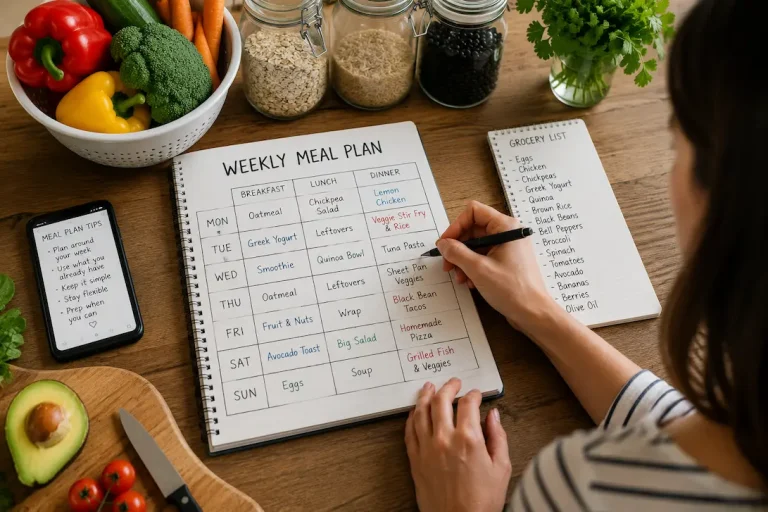

Many healthy eating decisions are influenced long before a meal is prepared. They begin at the grocery store, where the choices you make determine what ingredients are available throughout the week. When shopping happens without much planning, it’s easy to fill the cart with foods that seemed appealing in the moment while forgetting the items that support balanced meals later on.
Busy schedules often make grocery shopping feel like another task to complete as quickly as possible. Walking through the store without a clear plan can lead to duplicate purchases, forgotten essentials, unnecessary food waste, and last-minute trips back to the store. These small inconveniences add up over time and can make maintaining healthy eating habits more difficult than necessary.
Fortunately, grocery shopping doesn’t have to become a complicated process. A few simple strategies can make every shopping trip more organized, reduce unnecessary spending, and make nutritious meals easier to prepare throughout the week. The goal isn’t to buy perfect foods—it’s to create a shopping routine that supports realistic, sustainable eating habits.
Start Before You Walk Into the Store
Successful grocery shopping usually begins at home rather than in the supermarket. Spending a few minutes preparing before you leave can save time, reduce unnecessary purchases, and help you make more thoughtful decisions once you’re inside the store.
A quick look through your refrigerator, freezer, and pantry helps you understand what ingredients you already have available. Many people accidentally buy duplicate items simply because they don’t remember what’s already on the shelf. Checking supplies beforehand allows you to build meals around existing ingredients instead of constantly starting from scratch.
It’s equally helpful to think about your schedule for the coming week. If several evenings are likely to be busy, purchasing ingredients for simple meals may be more practical than selecting recipes that require lengthy preparation. On quieter days, you may have more time to prepare meals that involve additional cooking.
Finally, create a realistic shopping list. Rather than writing down every interesting recipe you find, focus on foods you genuinely expect to use during the coming week. A practical list keeps shopping focused while reducing impulse purchases that often remain unused.
Shop With Your Week in Mind
Instead of thinking only about tonight’s dinner, try viewing grocery shopping as preparation for the entire week. This broader perspective makes it easier to choose ingredients that work across multiple meals rather than buying items for only one occasion.
Consider how different foods can support breakfasts, lunches, dinners, and snacks without requiring completely separate shopping lists. Ingredients that serve multiple purposes often reduce both food waste and unnecessary spending. For example, vegetables purchased for one evening meal may also become part of tomorrow’s lunch, while cooked grains can be used in several different dishes throughout the week.
This approach also creates greater flexibility. If plans change unexpectedly, versatile ingredients make it easier to adjust your meals without needing another shopping trip. Rather than depending on one specific recipe, you have several options available using foods that are already in your kitchen.
Build Your Shopping Cart in Layers
Instead of placing items in your cart randomly, it can be helpful to think about grocery shopping as building your week’s meals one layer at a time. This simple approach encourages balance without requiring complicated nutritional calculations.
Layer One: Everyday Staples
Begin with the foods your household regularly uses. These may include milk or dairy alternatives, eggs, cooking oils, herbs, spices, yogurt, oats, or other pantry essentials that frequently appear in your meals. Starting with familiar staples creates a reliable foundation before adding anything else.
Because these ingredients are already part of your routine, they’re less likely to go unused. Replacing staple items first also reduces the chances of returning home only to discover you’re missing something needed for everyday cooking.
Layer Two: Fresh Fruits and Vegetables
Once your essentials are covered, move to fresh produce. Instead of choosing vegetables or fruit simply because they look appealing, think about how they’ll fit into your meals over the next several days.
Selecting a variety of colors and textures naturally creates more interesting meals while increasing flexibility in the kitchen. At the same time, it’s important to be realistic about quantities. Buying more fresh produce than your household can comfortably use often leads to unnecessary waste before the next shopping trip arrives.
Seasonal produce may also offer good value while providing opportunities to enjoy different foods throughout the year. Rotating your choices based on availability keeps shopping interesting without requiring major changes to your eating habits.
Layer Three: Protein Choices
Protein foods often become the center of many meals, so choosing them thoughtfully can make weekly meal planning much easier. Depending on your household’s preferences, this category may include poultry, fish, eggs, beans, lentils, dairy products, tofu, or other protein-rich options.
Rather than purchasing only one type of protein, consider including some variety if it fits your budget and cooking habits. Having different options available makes it easier to prepare meals that feel interesting throughout the week without constantly repeating the same dishes.
It’s also worth thinking about preparation time. Some protein choices cook quickly and work well for busy evenings, while others may be better suited to weekends or days when you have more time available. Matching your purchases to your schedule helps make healthy eating more practical.
Layer Four: Whole Grains and Pantry Foods
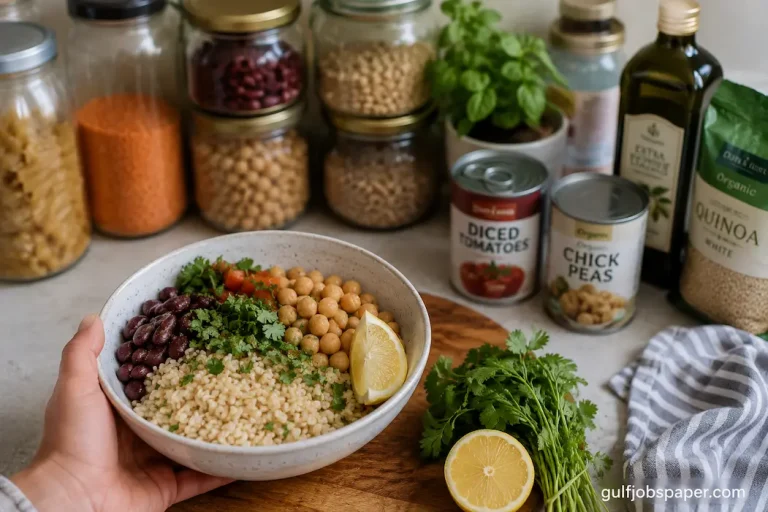
Whole grains and pantry ingredients provide flexibility because they can often be stored for longer periods and used in a wide range of meals. Foods such as brown rice, whole-grain pasta, oats, quinoa, canned beans, canned tomatoes, and similar pantry items make it easier to prepare balanced meals without requiring a grocery trip every few days.
Maintaining a small selection of dependable pantry staples also helps during particularly busy weeks. Even when fresh ingredients become limited, these foods provide the foundation for simple, satisfying meals that support your regular eating routine.
Layer Five: Flexible Extras
Once you’ve selected your everyday essentials, fresh produce, protein sources, and pantry staples, you can finish your shopping with a few flexible items that add variety without making your weekly meals more complicated. These aren’t impulse purchases—they’re ingredients that can easily fit into several different meals depending on how your week unfolds.
For example, nuts and seeds can be added to breakfasts, salads, or snacks. Plain yogurt may become part of breakfast one day and a cooking ingredient another. Fresh herbs, lemons, or simple sauces can refresh familiar meals without requiring entirely new recipes. Choosing versatile extras allows you to enjoy variety while continuing to use the foods already in your kitchen.
The purpose of this final layer is to make healthy eating feel enjoyable rather than repetitive. Small additions can create new meal combinations without increasing food waste or making grocery shopping more expensive.
Let Convenience Support Better Choices
Convenience foods often receive criticism, but not every convenient option works against healthy eating. In many cases, thoughtfully chosen convenience products can make balanced meals much easier to prepare, especially during busy weeks.
Pre-washed salad greens, frozen vegetables, frozen fruit, canned beans with reduced added salt, and plain frozen seafood are examples of foods that require very little preparation while still fitting into a balanced eating routine. These options save time without forcing you to rely entirely on highly processed ready-made meals.
Convenience becomes particularly valuable on evenings when cooking feels difficult. Having simple ingredients that can be prepared quickly often reduces the temptation to skip meals or depend entirely on takeaway food. Rather than viewing convenience as something to avoid, think about how it can support consistency when time is limited.
Grocery Habits That Save Time and Reduce Food Waste
Smart shopping doesn’t end when you reach the checkout. The way you manage groceries after returning home has a significant influence on how much food is actually used during the week.
Before putting away new groceries, take a quick look at the foods already in your refrigerator and pantry. Moving older items toward the front makes them easier to notice and encourages you to use them before opening newly purchased products. This simple habit can noticeably reduce unnecessary waste over time.
Buying realistic quantities is equally important. Fresh fruits and vegetables provide excellent variety, but purchasing more than your household can comfortably use before the next shopping trip often leads to spoiled produce. Selecting amounts that match your family’s eating habits is usually more practical than buying large quantities simply because they’re available.
Proper storage also helps ingredients stay fresh longer. Keeping foods organized allows you to see what you already have, making it less likely that useful ingredients will be forgotten until they’re no longer suitable to eat.
A Practical Grocery Shopping Checklist
Developing a simple routine before, during, and after shopping can make each trip more organized while supporting better nutrition throughout the week.
| Before Shopping | During Shopping | After Shopping |
|---|---|---|
| Review your weekly schedule | Follow your shopping list | Store groceries in an organized way |
| Check the refrigerator, freezer, and pantry | Build your cart in logical layers | Place older foods where they’re easy to see |
| Prepare a realistic shopping list | Compare quantities before buying | Wash or prepare ingredients if helpful |
| Plan flexible meal options | Avoid unnecessary impulse purchases | Review what should be used first |
Following a consistent routine like this gradually turns grocery shopping into a habit that supports your overall eating patterns instead of becoming another stressful weekly task.
Common Grocery Shopping Mistakes
Many shopping habits become automatic over time, which makes it easy to repeat small mistakes without noticing their long-term impact.
Shopping while feeling extremely hungry can increase the likelihood of making impulsive purchases that weren’t originally planned. Likewise, entering the store without a list often leads to forgotten essentials alongside items that seemed appealing in the moment but may not fit into your weekly meals.
Another common mistake is buying ingredients for ambitious recipes without considering how much time will actually be available to prepare them. Choosing foods that realistically match your schedule usually leads to better results than planning meals that become difficult to cook during busy evenings.
Finally, overlooking foods already available at home can result in unnecessary duplicate purchases. Taking a few minutes to check your supplies before shopping often saves both money and storage space while helping reduce food waste.
Conclusion
Supporting better nutrition often begins with simple decisions made before you prepare your first meal of the week. By planning ahead, shopping with your schedule in mind, building your cart in thoughtful layers, and choosing practical ingredients that fit your everyday routine, grocery shopping becomes much more than a weekly errand—it becomes part of a sustainable approach to healthy eating.
You don’t need a perfect shopping list or an elaborate nutrition plan to make meaningful improvements. Small, consistent habits—such as checking your pantry before leaving home, buying realistic quantities, and keeping flexible ingredients available—can reduce food waste, simplify meal preparation, and make balanced food choices feel like the easiest option throughout the week.