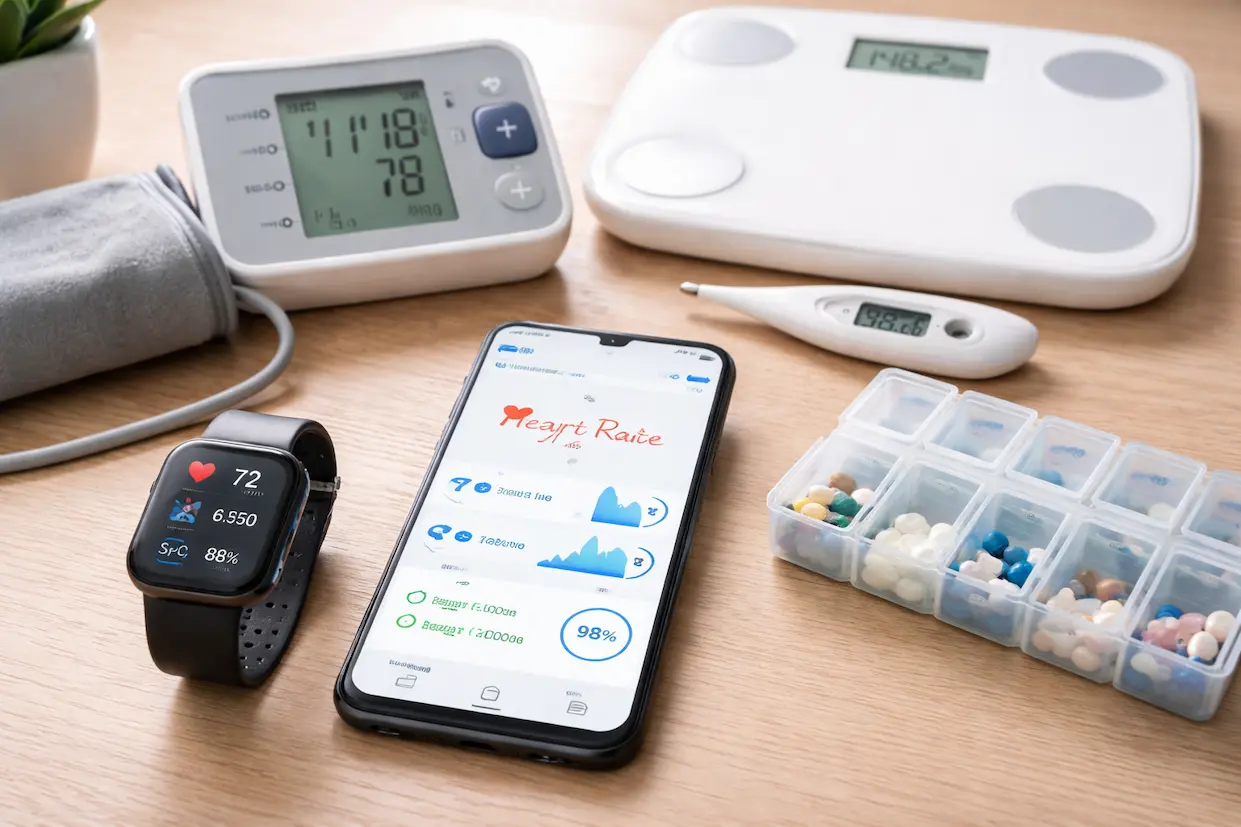
Most people pay close attention to their health only when something changes unexpectedly. A few days of unusual tiredness, difficulty sleeping, or a lingering lack of energy often become the first signal that something feels different. The challenge is that, by the time we notice these changes, it can be difficult to remember when they actually started or whether they developed gradually over several weeks.
This is where a simple personal health monitoring system can be helpful. Rather than trying to diagnose illnesses or replace professional medical care, it provides a practical way to observe everyday habits and notice patterns that might otherwise go unnoticed. Looking back at consistent notes is usually much more reliable than relying entirely on memory, especially when trying to understand changes in sleep, activity, or overall well-being.
An effective monitoring system doesn’t require complicated equipment or hours of record-keeping. In fact, the simpler it is, the more likely you are to continue using it. The goal isn’t to collect as much information as possible but to build a routine that helps you understand your own lifestyle over time.
Why Memory Alone Isn’t Always Reliable
Imagine someone asking how well you’ve slept over the past month. Most people can remember last night fairly clearly, but recalling patterns across several weeks is much more difficult. We often remember unusually good or unusually bad days while forgetting the ordinary ones that actually represent our daily routine.
The same thing happens with physical activity, eating habits, and energy levels. A particularly productive day or a weekend of poor sleep can easily shape how we think about the entire week, even if those experiences were exceptions rather than the norm. This is one reason simple daily observations can be surprisingly valuable.
Recording a few consistent details creates a clearer picture than trying to reconstruct events from memory later. Over time, these observations become less about individual days and more about understanding long-term patterns that are otherwise easy to overlook.
Start by Observing Your Daily Energy Pattern
Many people describe their energy using broad statements such as “I’m always tired” or “I usually feel fine.” While these impressions may feel accurate, they rarely explain how energy changes throughout the day. A personal monitoring system encourages you to look more closely at these natural fluctuations instead of viewing the day as a single experience.
For example, you might notice that mornings are generally productive, concentration begins to decline after lunch, and energy improves slightly after an evening walk. Someone else may discover the opposite pattern, feeling slow early in the day but highly focused later in the afternoon. Neither pattern is automatically better or worse, but understanding your own routine helps explain how daily habits influence overall well-being.
Rather than assigning complicated scores, simple observations often work best. Writing a brief note about how you felt during different parts of the day creates useful information without turning the process into another demanding task.
Pay Attention to Movement Throughout the Entire Day
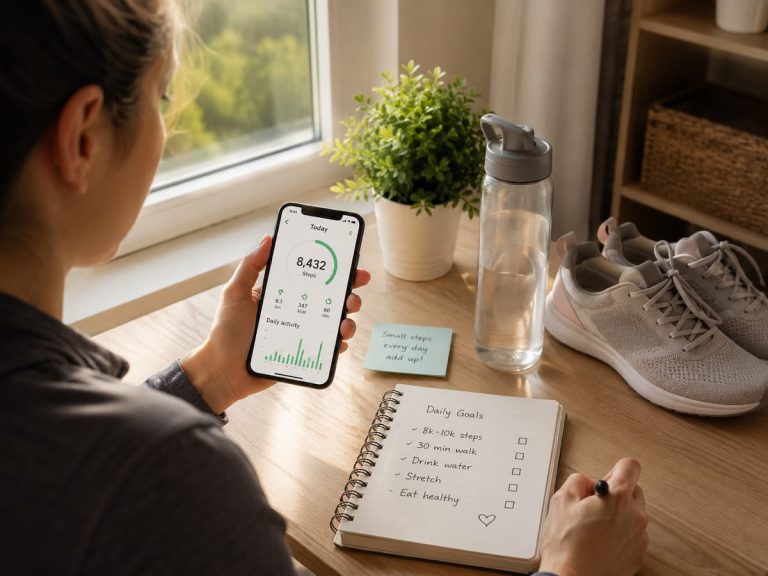
Many people think about exercise only in terms of planned workouts, but daily movement extends far beyond scheduled fitness sessions. Walking around the house, climbing stairs, standing while working, gardening, or completing household tasks all contribute to your overall activity pattern. Looking at movement in this broader way provides a more realistic picture of how active your days actually are.
Instead of focusing only on how long you exercised, notice how much time you spent sitting as well. Long periods of uninterrupted sitting often become so routine that they pass unnoticed, especially during busy workdays. Simply recognizing these patterns may encourage small adjustments, such as taking short walking breaks or changing position more regularly.
The objective isn’t to reach a perfect activity target every day. It’s to understand how movement naturally fits into your lifestyle so that gradual improvements become easier to identify and maintain.
Notice How Sleep Affects the Rest of Your Day
Many people judge sleep by asking one question: “How many hours did I get?” Although sleep duration is important, it doesn’t always tell the complete story. Waking up refreshed, maintaining steady energy throughout the day, and feeling mentally alert can provide additional insight into how well your routine is supporting recovery.
For this reason, it can be useful to record simple observations about bedtime consistency, how rested you felt after waking, and whether you noticed significant changes in alertness during the day. These notes often reveal patterns that aren’t immediately obvious when looking at sleep duration alone.
As the weeks pass, you may begin noticing connections between evening routines and the following day’s energy. These observations don’t provide medical answers, but they do help build a clearer understanding of how your daily habits work together.
Everyday Eating Habits Deserve a Place in Your Monitoring System
Food choices influence many aspects of daily life, yet they’re often remembered only in general terms. Someone may feel they usually eat balanced meals, but without occasional observations, it’s easy to overlook patterns such as skipping breakfast during busy weeks, relying heavily on convenience foods, or forgetting to drink enough water throughout the day.
A personal monitoring system doesn’t require detailed food diaries or calorie counting. Instead, brief notes about meal timing, overall balance, and hydration are often enough to identify habits that repeat over time. The emphasis should remain on understanding routines rather than judging individual meals.
Looking at eating habits alongside sleep, movement, and energy also provides valuable context. Changes in one area often appear alongside changes in another, making the overall picture much more meaningful than observing each habit separately.
Looking for Patterns Is More Valuable Than Looking for Perfect Days
One of the most common mistakes people make when monitoring their health is paying too much attention to a single day. Everyone experiences occasional nights of poor sleep, unusually busy workdays, or meals that don’t go according to plan. These isolated events rarely tell the full story. A personal monitoring system becomes useful when it highlights patterns that continue over time rather than focusing on temporary changes.
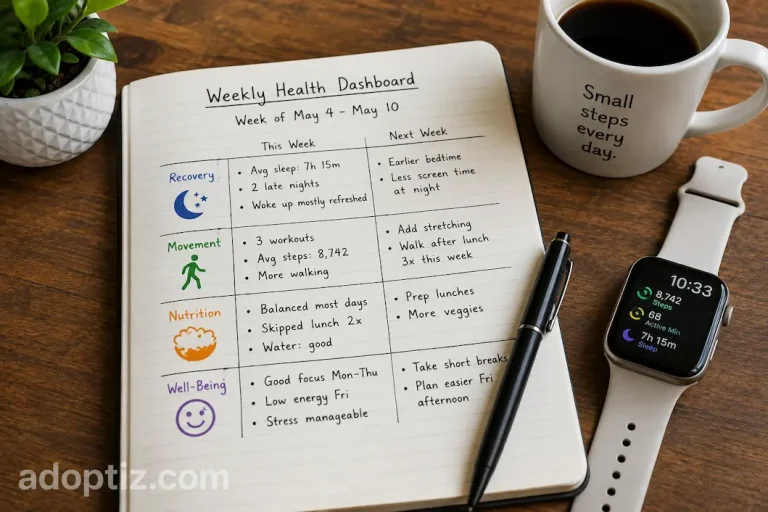
Setting aside a few minutes at the end of each week to review your notes can provide a broader perspective. Instead of asking whether today was good or bad, look for repeated observations. Did you consistently feel more energetic on days when you moved more? Were your afternoons more productive during weeks when your bedtime remained consistent? Did certain routines become difficult to maintain when work became busier? These recurring themes are often much more meaningful than individual entries.
Weekly reviews also help you celebrate positive habits that might otherwise go unnoticed. Gradual improvements are easy to overlook when they happen one day at a time, but they become much more visible when viewed across several weeks.
A Simple Monitoring Page You Can Use Every Day
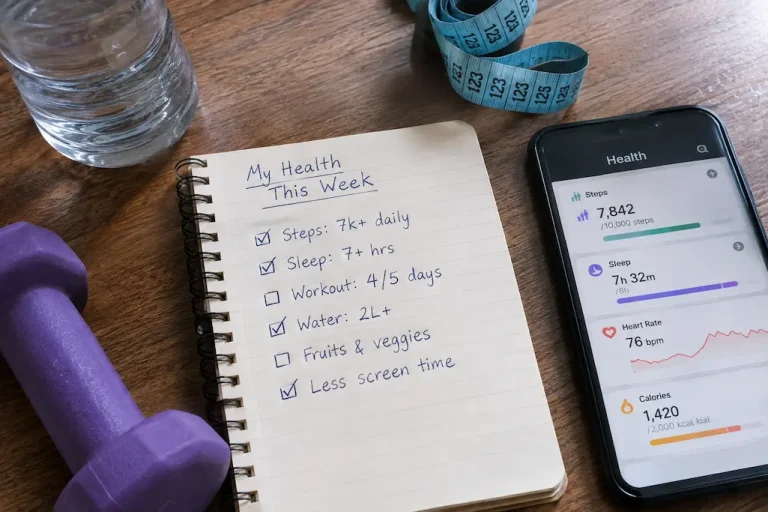
A personal health monitoring system doesn’t need to fill multiple pages or include dozens of measurements. The easier it is to complete, the more likely you are to continue using it over the long term.
| Area | Today’s Observation | Weekly Pattern |
|---|---|---|
| Energy | Felt most alert during the morning, slower after lunch | Energy remained fairly consistent on most weekdays |
| Movement | Short walk after dinner and regular movement breaks | More active than the previous week |
| Sleep | Went to bed at a consistent time and woke feeling rested | Bedtime stayed regular on five out of seven nights |
| Meals & Hydration | Three balanced meals and regular water intake | Fewer skipped meals than last week |
| General Notes | Busy afternoon but managed short breaks | Better overall routine despite a demanding schedule |
This example isn’t meant to be copied exactly. Some people may prefer writing in a notebook, while others use a spreadsheet or notes app. The format matters much less than maintaining a routine that is simple enough to continue.
Keep the System Practical Instead of Complicated
Many monitoring systems fail because they become too detailed. Recording dozens of observations every day may seem helpful at first, but it often becomes difficult to maintain. After a few weeks, the process itself starts feeling like another task on an already busy schedule.
A practical system focuses only on information that supports everyday awareness. Brief notes are usually enough to recognize meaningful trends without spending excessive time collecting data. If completing your daily observations takes only a few minutes, you’re much more likely to continue using the system consistently.
It is also perfectly acceptable to adjust the system as your routine changes. If a particular category no longer feels useful or another area becomes more relevant, your monitoring page can evolve along with your lifestyle.
Common Mistakes That Reduce the Value of Home Monitoring
Some people expect immediate answers after only a few days of recording information. In reality, meaningful patterns usually emerge gradually. Becoming discouraged too quickly may prevent you from seeing the longer-term picture that the system is designed to reveal.
Another mistake is trying to monitor every possible aspect of health at once. Collecting too much information often leads to inconsistency because the process becomes difficult to maintain. Focusing on a few important areas is generally more sustainable than attempting to record everything.
Finally, it’s important to remember that personal monitoring is intended to increase awareness, not create unnecessary worry. Day-to-day variations are a normal part of life, and isolated changes do not necessarily indicate a problem. If you notice persistent or concerning symptoms, discussing them with a qualified healthcare professional is more appropriate than relying solely on personal observations.
Make Your Monitoring System Part of Your Existing Routine
The easiest habits to maintain are often connected to routines you already have. Rather than trying to remember your observations at random times, consider reviewing your day while having your evening tea, after brushing your teeth, or just before planning the next day’s schedule. Linking the habit to something you already do reduces the chances of forgetting it.
Keeping your notebook, planner, or digital notes easily accessible also makes a difference. If recording your observations feels inconvenient, it’s more likely to be postponed. A simple system that fits naturally into your evening routine often becomes something you complete without giving it much thought.
Over time, the monitoring process itself becomes less important than the awareness it creates. You begin noticing habits and patterns during the day because you’ve trained yourself to observe them consistently.
Frequently Asked Questions
How much time should a daily health monitoring routine take?
For most people, just a few minutes each day is enough. The goal is to make brief, consistent observations rather than keeping detailed records that become difficult to maintain.
Should I record information every single day?
Daily notes often make it easier to identify patterns, but occasional missed entries are not a problem. Consistency over weeks and months is generally more valuable than maintaining a perfect record.
Can a home monitoring system replace regular medical check-ups?
No. Personal health monitoring is designed to help you observe everyday lifestyle patterns and support informed conversations with healthcare professionals when needed. It should not be used as a substitute for professional medical advice, diagnosis, or treatment.