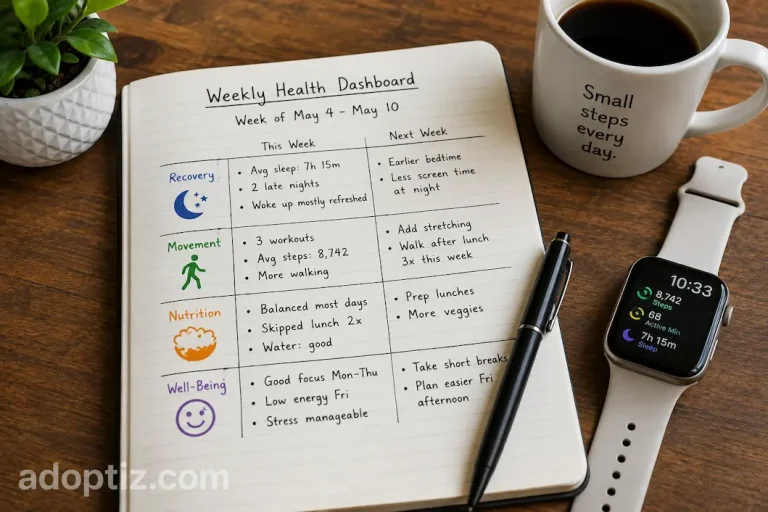
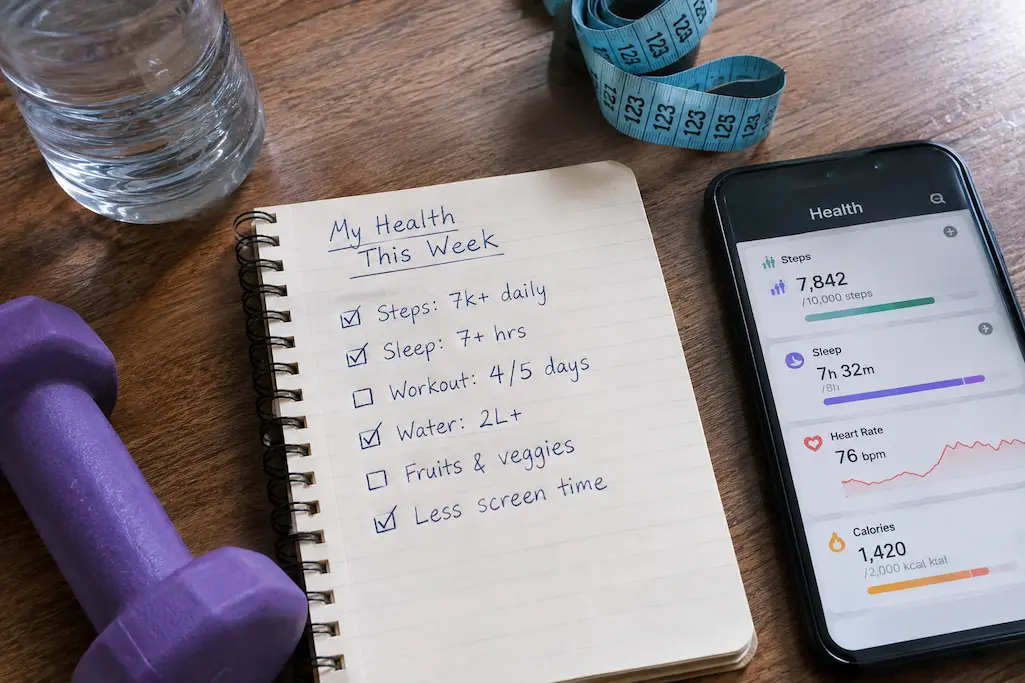
People are collecting more personal health information today than ever before. Smartphones count daily steps, wearable devices estimate sleep, fitness apps record workouts, and digital journals make it easy to log meals, mood, and energy levels. Having access to this information can be useful, but collecting data is only one part of understanding your health. The way you interpret that information is often just as important as the numbers themselves.
One of the biggest challenges with personal health tracking is that it’s surprisingly easy to reach conclusions that aren’t actually supported by what you’ve recorded. A single bad night’s sleep may convince someone their routine is failing. A week without exercise might feel like months of lost progress. An unusually energetic day could lead to the belief that a new habit is already transforming overall health. In reality, isolated events rarely tell the complete story.
Good health tracking isn’t about proving that every decision was right or wrong. It’s about recognizing long-term patterns while understanding that everyday life naturally includes variation. Learning to avoid common interpretation mistakes can make the information you collect much more useful and help you make better decisions without becoming overwhelmed by every small change.
The Problem Isn’t Bad Data—It’s Looking at It Too Quickly
Imagine checking your finances after making one unexpected purchase. Looking at that single transaction without considering the rest of the month would probably give a distorted view of your spending habits. Health tracking works in much the same way. Individual days often reflect temporary circumstances rather than meaningful trends.
A late-night family event may affect your sleep for one evening. A demanding work deadline could reduce your daily activity for several days. Feeling unusually energetic after a relaxing weekend doesn’t necessarily mean your overall lifestyle has changed. These experiences are normal parts of life, yet they often receive more attention than they deserve simply because they happened recently.
When people react immediately to every change, they begin adjusting routines too frequently. Instead of allowing enough time to observe genuine patterns, they keep replacing one approach with another. This constant cycle can make health tracking feel confusing even when the information itself is accurate.
Mistake 1: Treating One Day Like a Long-Term Trend
One of the most common interpretation errors is assuming that a single day’s results represent an ongoing pattern. It’s natural to remember unusual days because they stand out emotionally, but they rarely provide enough information to support reliable conclusions.
For example, sleeping poorly after traveling doesn’t automatically suggest your bedtime routine needs to change. Missing a workout because of unexpected responsibilities doesn’t erase weeks of consistent activity. Likewise, one particularly productive day shouldn’t immediately convince you that every recent lifestyle change has been successful.
Looking at several weeks instead of individual days usually creates a much clearer picture. Temporary fluctuations become easier to recognize, allowing genuine habits to stand out instead of being hidden by isolated events.
Mistake 2: Ignoring the Context Behind the Numbers
Numbers tell you what happened, but they rarely explain why it happened. This is one reason health tracking sometimes becomes misleading. Two people may record exactly the same amount of sleep, activity, or exercise while having completely different experiences during the week.
Suppose your step count decreases significantly compared with the previous week. Without context, you might assume you’re becoming less active. However, the real explanation could be several days of heavy rain, a demanding work schedule, travel, or recovering from a minor illness. The number itself isn’t wrong—it simply doesn’t tell the whole story.
Adding brief notes about unusual events often makes health records much easier to understand later. A short reminder explaining that the week included travel, overtime, or family commitments can prevent you from drawing inaccurate conclusions when reviewing your progress months later.
Mistake 3: Chasing Perfect Numbers Instead of Practical Progress
Many health apps encourage daily goals, streaks, and achievement badges. While these features can be motivating, they sometimes create the impression that every target must be reached every single day. Missing one goal may begin to feel like failure, even when your overall habits remain consistent.
This way of thinking shifts attention away from meaningful progress and toward maintaining perfect records. Someone may become disappointed after missing one workout despite completing regular exercise throughout the rest of the month. Another person may focus on one lower activity day while ignoring the fact that they have been steadily improving for weeks.
Health tracking becomes far more valuable when it measures direction rather than perfection. Consistent improvement over time usually provides a more realistic picture than expecting every day to look exactly the same.
Mistake 4: Comparing Your Data With Someone Else’s
One of the easiest ways to misunderstand your own progress is by comparing your numbers with another person’s routine. Friends, coworkers, or people on social media may have different schedules, responsibilities, ages, fitness levels, and personal goals. Looking only at the final numbers ignores all of those differences.
A daily step count that feels manageable for one person may be unrealistic for someone with a desk-based job. Likewise, comparing workout frequency without considering experience or available free time often leads to unnecessary frustration rather than useful insight.
Personal health tracking is most effective when it reflects your own lifestyle. Comparing this month’s habits with your own previous months usually provides far more meaningful information than measuring yourself against someone else’s routine.
Mistake 5: Measuring Too Many Things at Once
When people first become interested in health tracking, it’s tempting to record everything possible. Sleep duration, water intake, daily steps, workout performance, calories, mood, heart rate, screen time, productivity, and dozens of other measurements suddenly become part of a daily checklist. Although this may seem like a thorough approach, it often creates more confusion than clarity.
Reviewing too many metrics makes it difficult to identify which ones are actually helping you understand your routine. Important patterns can become buried beneath information that has little influence on your everyday decisions. Instead of gaining insight, you may spend more time organizing data than learning from it.
A better approach is to focus on a handful of observations that genuinely reflect your goals. Someone working on building healthier routines may only need to review sleep consistency, physical activity, meal quality, and overall energy. Keeping the system simple makes it easier to continue and far more useful when it’s time to review several weeks of progress.
Mistake 6: Expecting Every Metric to Improve at the Same Time
Health rarely improves in a perfectly straight line. One area may show noticeable progress while another changes much more slowly. This doesn’t necessarily mean something is wrong—it often reflects the natural way habits develop over time.
For example, you may become more consistent with home workouts but still experience busy weeks that temporarily affect sleep. Improving your eating habits might increase daytime energy even though your activity level hasn’t changed significantly yet. Looking at these situations individually helps you appreciate gradual progress instead of assuming every measurement should improve together.
Patience is an important part of interpreting personal health information. Small improvements that continue over several months are usually more meaningful than dramatic changes that only last a short period.
Ask Questions Before Changing Your Routine
A useful health tracker should encourage thoughtful questions rather than immediate reactions. Before deciding that a habit needs to change, pause and consider whether the information truly represents a long-term pattern or simply reflects an unusual week.
You might ask yourself whether this observation has appeared several times recently, whether outside circumstances influenced the result, or whether you’ve noticed similar experiences before. These questions slow down the decision-making process and reduce the temptation to constantly redesign your routine after every unexpected result.
This approach also helps you avoid unnecessary frustration. Instead of feeling that every unusual day requires a solution, you become more comfortable allowing time for genuine patterns to emerge.
Turning Information Into Better Decisions
Collecting information only becomes valuable when it influences future choices. Once you’ve reviewed several weeks of observations, look for one area that seems most worth improving rather than trying to change everything at once.
If repeated notes show that your evenings often become rushed, perhaps preparing for the next day earlier would be a practical experiment. If activity levels consistently decline during demanding workweeks, adding a few shorter movement breaks might be more realistic than planning longer exercise sessions. Small adjustments are often easier to maintain because they fit naturally into everyday life.
The purpose of health tracking isn’t to prove that your routine is perfect. It’s to help you notice opportunities for gradual improvement before small issues become long-term habits.
Common Misinterpretations and Better Ways to Respond
| Common Interpretation | A Better Perspective |
|---|---|
| “One bad day means my routine isn’t working.” | Review several weeks before deciding whether a pattern truly exists. |
| “I missed my goal, so I’ve failed.” | One missed goal doesn’t erase consistent habits built over time. |
| “Someone else’s numbers should be my target.” | Compare your current habits with your own previous progress instead. |
| “More tracking automatically means better understanding.” | Record only the information that helps you make practical decisions. |
| “I need to change everything immediately.” | Identify one meaningful improvement and observe its effect over time. |
Frequently Asked Questions
How long should I track my habits before looking for patterns?
For many people, reviewing several weeks of observations provides a much clearer picture than evaluating individual days. Looking at longer periods helps separate temporary events from recurring habits.
Is it normal for my health data to change from week to week?
Yes. Everyday life naturally includes changes caused by work, travel, family responsibilities, seasonal routines, and many other factors. Small fluctuations are expected and don’t necessarily indicate a problem.
Should I stop tracking a metric if it isn’t helping?
If a measurement doesn’t provide useful insight or influence your decisions after consistent review, it may be worth simplifying your system. A smaller number of meaningful observations is often more valuable than maintaining a long list of data that rarely gets used.
Conclusion
Health tracking becomes truly valuable when it helps you understand your lifestyle instead of simply collecting information. The numbers, notes, and observations you record are only starting points. Their real purpose is to reveal patterns that support thoughtful decisions rather than encourage quick reactions to every small change.
By avoiding common interpretation mistakes, reviewing information over longer periods, and focusing on trends instead of isolated events, you create a much more reliable picture of your everyday habits. In the end, the goal isn’t to produce perfect records or impressive statistics—it’s to gain practical insights that help you make steady, realistic improvements to your health and daily routine over time.