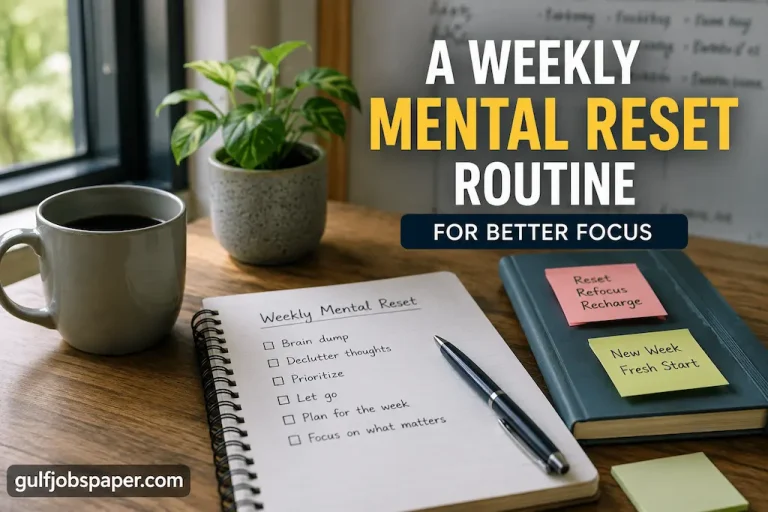
Some days begin with the best intentions. You sit down at your desk with a clear plan, open your laptop, and promise yourself that today will be productive. Then a few emails arrive, your phone lights up with notifications, someone asks a quick question, and before you realize it, the morning has disappeared. By the afternoon, it feels as though you’ve been busy all day without making meaningful progress on the work that mattered most.
When this happens repeatedly, the first instinct is often to search for stronger productivity techniques or stricter schedules. People download new planning apps, create detailed to-do lists, or try to work for hours without interruption. While these methods can help in certain situations, they sometimes create additional pressure instead of improving concentration. Staying focused isn’t always about working harder—it is often about making small adjustments that reduce unnecessary mental effort throughout the day.
The most sustainable focus habits are usually the ones that fit quietly into an existing routine. They don’t require dramatic lifestyle changes or perfect discipline. Instead, they remove small distractions, encourage short moments of mental recovery, and make it easier to give your attention to one task at a time. Over weeks and months, these seemingly minor habits often have a greater impact than occasional bursts of intense productivity.
Focus Begins Before the First Task of the Day
Many people think concentration starts the moment they begin working, but in reality, it often begins a few minutes earlier. The way you transition into your day can influence how easily your attention settles once work actually starts. Jumping immediately from waking up to checking messages, reading news updates, or responding to emails can leave your mind scattered before you’ve even decided what deserves your attention first.
A more deliberate start doesn’t have to involve an elaborate morning routine. Even taking a few quiet minutes to review your priorities before opening communication apps can create a noticeable difference. Instead of reacting to whatever appears on the screen first, you begin the day with a clearer understanding of what you want to accomplish.
This habit isn’t about avoiding technology altogether. It’s about deciding where your attention goes first instead of allowing outside interruptions to make that decision for you. Starting the day with intention often makes the rest of your schedule feel more manageable.
Give Every Work Session a Clear Destination
One reason concentration fades so quickly is that many tasks are too broad. Sitting down with the goal of “working on a project” gives the brain very little direction. In contrast, beginning with a specific objective—such as drafting an introduction, reviewing one report, or organizing a particular folder—creates a much clearer finish line.
Clear objectives reduce the mental effort required to decide what comes next. Rather than constantly switching between possibilities, your attention remains connected to one defined piece of work. Even if the overall project is large, breaking it into smaller destinations makes progress easier to recognize, which often improves motivation as well.
This doesn’t mean planning every minute of the day. Instead, think of each work session as having a purpose. Knowing exactly what success looks like before you begin helps prevent your attention from drifting toward less important tasks.
Create Small Pauses Instead of Waiting Until You’re Exhausted
Many people continue working until they can no longer concentrate, believing that stopping would interrupt their momentum. In reality, attention often begins declining long before we notice it. By the time we finally decide to take a break, mental fatigue has usually been building for quite some time.
Short pauses taken before reaching that point can help maintain steadier concentration throughout the day. Looking away from the screen for a few minutes, stretching, walking to refill a glass of water, or simply changing your surroundings briefly gives your mind an opportunity to reset without completely losing focus on the task.
The key difference is that these breaks are intentional rather than reactive. Instead of waiting until your productivity has already declined, you create small moments of recovery that support sustained attention over longer periods.
Protect Your Attention From Constant Switching
Modern work rarely involves a single uninterrupted task. Emails arrive unexpectedly, phones vibrate, messaging platforms demand responses, and new ideas appear while you’re already working on something else. Although each interruption may only last a minute or two, repeatedly changing your focus often makes it difficult to regain the same level of concentration afterward.
One practical habit is grouping similar activities together instead of responding immediately every time something appears. Reading emails at scheduled points during the day, returning phone calls during dedicated periods, or completing similar administrative tasks in one session reduces the number of times your attention has to shift between completely different types of work.
This approach doesn’t require ignoring important responsibilities. It simply recognizes that attention is easier to maintain when the brain spends more time completing tasks than constantly deciding which task deserves attention next.
End Each Task With a Starting Point for the Next One
One surprisingly effective habit takes less than a minute and happens just before you finish working on something. Rather than closing a document or leaving your desk immediately, write a brief note describing what should happen next. It could be a single sentence, a question that still needs answering, or the next small action you plan to take.
This simple habit reduces the friction that often appears when returning to work later. Instead of spending several minutes trying to remember where you stopped or what you intended to do next, you have a clear starting point waiting for you. That makes it much easier to regain focus quickly, especially after overnight breaks or busy mornings.
Over time, this practice also creates a greater sense of continuity. Work sessions begin with purpose instead of uncertainty, allowing concentration to develop more naturally rather than feeling like something you have to force.
Concentration Grows Through Repetition, Not Intensity
Many people believe they need occasional days of extraordinary productivity to stay ahead, but lasting focus usually develops through repetition instead. Small habits performed consistently tend to strengthen attention more effectively than constantly searching for new productivity systems or motivational techniques.
Each time you begin your work with clear priorities, reduce unnecessary interruptions, or take a thoughtful break before feeling overwhelmed, you’re reinforcing routines that support concentration without adding extra stress. Individually, these actions may seem almost too simple to matter. Together, however, they create an environment where focused work becomes easier because fewer obstacles stand in the way.
The Afternoon Is Where Focus Is Usually Won or Lost
For many people, concentration feels strongest during the first part of the day and gradually becomes more difficult as the afternoon progresses. It’s easy to assume this decline is unavoidable, but in many cases, it reflects how mental energy has been managed since the morning rather than the time of day itself.
Hours of continuous decision-making, frequent interruptions, and switching between unrelated tasks slowly increase mental fatigue. By mid-afternoon, the brain has already processed a large amount of information, making it harder to concentrate on demanding work. Instead of forcing yourself to maintain the same pace, adjusting the type of work you do during different parts of the day often produces better results.
For example, many people find it helpful to schedule creative thinking, writing, or analytical tasks when they naturally feel more alert, while using lower-energy periods for administrative work, organizing files, responding to emails, or planning the following day. Matching tasks to your available mental energy is often more effective than expecting your concentration to remain constant from morning until evening.
A Focus-Friendly Day Doesn’t Need to Be Perfect
Improving concentration isn’t about creating a rigid schedule where every minute is carefully planned. A productive day still includes unexpected conversations, changing priorities, and occasional interruptions. The goal is simply to create enough structure that your attention isn’t constantly pulled in different directions.
The following example shows how small focus habits can fit naturally into an ordinary workday.
| Time of Day | Small Habit | Why It Helps |
|---|---|---|
| Beginning of the day | Decide on the most important task before opening messages | Gives your attention a clear direction from the start |
| Mid-morning | Work on one meaningful task without unnecessary switching | Helps maintain deeper concentration |
| Late morning | Take a short movement or hydration break | Provides a brief mental reset |
| Early afternoon | Complete routine tasks while energy naturally dips | Matches workload to mental capacity |
| Mid-afternoon | Spend a few minutes reviewing remaining priorities | Prevents attention from becoming scattered |
| End of the day | Leave a note describing the next step | Makes it easier to regain focus tomorrow |
This isn’t a strict timetable to follow every day. It’s simply an example of how small, repeatable habits can support concentration without making your routine feel complicated.
Some Habits Quietly Reduce Focus Without You Realizing It
Not every distraction comes from your surroundings. Sometimes the habits we develop ourselves gradually make concentration more difficult. Constantly checking notifications between tasks, leaving multiple unrelated projects open at once, or trying to solve every small problem immediately can all increase mental clutter throughout the day.
Another common habit is underestimating the effect of unfinished tasks. When several small responsibilities remain unresolved, they continue competing for attention even while you’re trying to focus on something else. Taking a few minutes to organize your workload or writing down tasks that need attention later can reduce this mental background noise.
It’s also worth remembering that concentration naturally varies from day to day. Expecting yourself to perform at maximum focus every hour often creates unnecessary frustration. Recognizing normal fluctuations allows you to work with your attention instead of constantly fighting against it.
Build an Environment That Supports Attention
Concentration is influenced not only by habits but also by the environment where those habits take place. A workspace doesn’t have to be perfectly organized, but reducing obvious distractions can make focused work feel much easier. Clearing unnecessary items from your immediate work area, keeping frequently used materials within reach, and limiting avoidable interruptions all help create an environment that encourages sustained attention.
Digital environments deserve the same consideration. Desktop notifications, unnecessary browser tabs, and constant message alerts compete for your focus even when you’re trying to ignore them. Making small adjustments to how information reaches you can reduce interruptions without affecting your ability to stay connected when needed.
Creating a supportive environment isn’t about eliminating every distraction. It’s about making focused work the easiest option available rather than the most difficult one.
Consistency Builds Better Focus Than Occasional Productivity Bursts
It’s natural to have days when everything seems to flow effortlessly and large amounts of work get completed in a short time. While these moments feel rewarding, they aren’t usually what determine long-term concentration. Lasting improvements come from the ordinary days when simple habits continue working quietly in the background.
Beginning work with a clear objective, limiting unnecessary task switching, taking brief recovery breaks, and ending the day with a plan for tomorrow may seem like modest actions on their own. However, repeating them consistently creates a routine where focus becomes less dependent on motivation and more supported by everyday habits.
Over time, concentration begins feeling less like something that has to be forced. Instead, it becomes a natural result of an environment and routine that make paying attention easier.
Frequently Asked Questions
How long does it take to notice improvements in concentration?
This varies from person to person. Many people begin noticing small improvements after consistently following a few simple focus habits for several weeks rather than expecting immediate results after a day or two.
Should I eliminate all distractions while working?
Not necessarily. Some interruptions are unavoidable. The more practical goal is reducing unnecessary distractions that repeatedly break your attention, allowing you to spend more time on meaningful work.
Is multitasking an effective way to improve productivity?
For many types of work, frequently switching between tasks can make sustained concentration more difficult. Completing similar tasks together and focusing on one meaningful activity at a time often feels more manageable than constantly dividing attention.
Conclusion
Strong concentration rarely depends on a single productivity technique or an unusually disciplined routine. More often, it develops through small habits that quietly protect your attention throughout the day. Starting work with a clear purpose, reducing unnecessary interruptions, matching tasks to your natural energy levels, and creating brief opportunities for mental recovery all contribute to a workday that feels calmer as well as more productive.
Rather than chasing perfect focus every day, aim to build routines that make concentration easier to maintain over time. When small habits become part of your everyday workflow, staying focused requires less effort, creates less stress, and supports steady progress without relying on constant motivation or complicated productivity systems.