Starting a home workout routine sounds simple until everyday life gets involved. One week you have plenty of free time, the next you’re balancing work deadlines, household responsibilities, family commitments, and unexpected interruptions. Many people assume they lack motivation when they stop exercising, but in reality, the workout they chose simply didn’t fit the way they actually live.
It’s easy to be influenced by online workout programs that promise quick results through intense daily sessions. While these routines may work well for some people, they aren’t automatically the right choice for everyone. A schedule that demands an hour of exercise every evening can quickly become difficult to maintain if your free time changes from day to day.
Choosing a home workout style should begin with understanding your own goals and daily routine rather than copying someone else’s plan. When exercise fits naturally into your lifestyle, consistency becomes much easier to maintain. Instead of constantly restarting after busy weeks, you build a routine that adapts to your life instead of competing with it.
Start With Your Goal Before Choosing Exercises
One of the most common mistakes people make is searching for workouts before deciding what they actually want to achieve. A person hoping to stay active throughout the week doesn’t necessarily need the same routine as someone focused on building strength or improving endurance. Without a clear goal, it’s easy to jump between different workout programs without giving any of them enough time to become a habit.
For many people, the goal is simply to support everyday health. They want to move more regularly, feel less stiff after long hours of sitting, and improve their overall fitness without spending large amounts of time exercising. In these situations, shorter and more flexible workouts often fit naturally into daily life because they focus on consistency rather than intensity.
Others may be working toward more specific objectives, such as improving muscular strength, increasing flexibility, or preparing for recreational activities like hiking or cycling. These goals may benefit from a more structured approach where exercises gradually become more challenging over time. The important point is that the workout style should reflect the destination rather than following whatever happens to be popular online.
Your Schedule Is Just as Important as Your Goal
Even the most effective workout plan becomes difficult to maintain if it doesn’t fit your available time. Many people create ambitious schedules during periods when life feels relatively calm, only to abandon those plans once work becomes busier or unexpected responsibilities appear. This doesn’t necessarily mean the plan was ineffective—it simply wasn’t practical.
Someone who consistently has fifteen or twenty free minutes during weekdays may benefit from a completely different approach than someone who prefers longer sessions on weekends. Neither schedule is inherently better. What matters is choosing a structure that feels realistic enough to continue for months instead of only a few enthusiastic weeks.
It’s also helpful to recognize that your schedule may change throughout the year. Work projects, holidays, school terms, and family events all influence how much free time is available. A workout routine that can adjust to these changes is usually easier to maintain than one that depends on ideal conditions every single week.
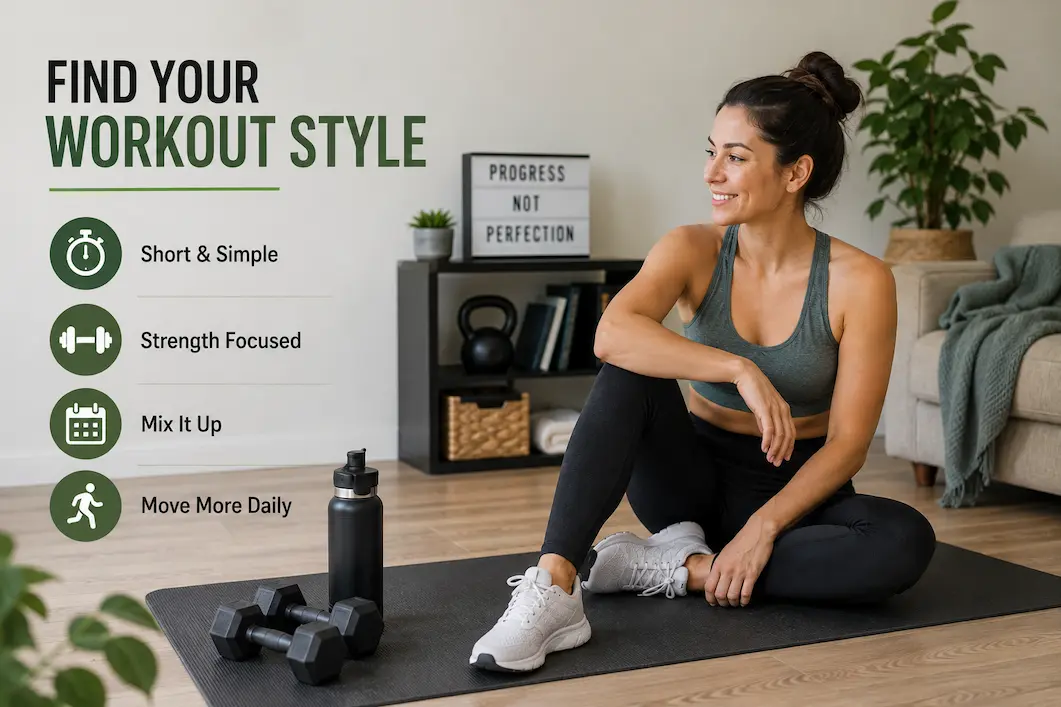
Four Popular Home Workout Styles
There isn’t one universal way to exercise at home. Different workout styles suit different goals, personalities, and schedules. Understanding their strengths makes it easier to choose a routine that matches your everyday life.
Quick Daily Sessions
Short workouts lasting ten to twenty minutes have become increasingly popular because they fit into busy schedules without requiring major changes to the day. These sessions often combine bodyweight exercises, light strength training, mobility work, or simple cardio movements into manageable routines.
For people balancing work and family responsibilities, shorter workouts often reduce the pressure of finding a large block of free time. Missing one session also feels less discouraging because it’s usually easier to return to the routine the following day. This style is particularly useful for people whose main goal is maintaining regular movement rather than following an intensive training program.
Longer Structured Workouts
Some people prefer fewer but longer exercise sessions during the week. These workouts usually provide enough time to include a proper warm-up, focused strength exercises, cardiovascular activity, and stretching before finishing.
Longer sessions often suit individuals who enjoy following detailed workout plans or who have specific fitness goals requiring more structured training. They can also be appealing for people who prefer setting aside dedicated exercise time rather than fitting shorter sessions around a busy schedule.
However, this style generally works best when those longer periods are realistically available. If finding an uninterrupted hour regularly feels stressful, a different workout style may be easier to sustain over the long term.
Mixed Weekly Routine
Many home exercisers eventually discover that combining different workout lengths provides the greatest flexibility. Instead of following exactly the same schedule every day, they adjust their routine according to how much time is available throughout the week.
For example, weekdays may include shorter sessions that maintain consistency, while weekends provide opportunities for longer workouts focusing on strength, endurance, or mobility. This balanced approach allows exercise to fit naturally around changing responsibilities without feeling overly rigid.
A mixed routine also reduces the pressure of missing one planned workout. If an unexpectedly busy Tuesday interrupts a short session, another opportunity often arrives later in the week without completely disrupting the overall routine.
Flexible Activity-Based Routines
Not every home fitness routine has to revolve around scheduled workouts. For some people, staying active throughout the day is a more practical and sustainable approach than setting aside dedicated exercise sessions several times a week. A flexible activity-based routine combines short workouts with everyday movement, creating a lifestyle where physical activity happens naturally instead of feeling like another appointment.
This approach might include taking regular walking breaks during work, choosing the stairs when possible, spending a few minutes stretching after sitting for long periods, or completing a short bodyweight routine whenever time becomes available. None of these activities needs to be particularly long to contribute to an active lifestyle when performed consistently.
Flexible routines often suit people whose schedules change from one week to the next. Instead of worrying about missing planned workouts, they focus on finding opportunities to move whenever those opportunities appear. This mindset reduces unnecessary pressure while helping exercise remain part of everyday life.
Match Your Workout Style to Your Lifestyle
Choosing the right workout style isn’t just about fitness goals—it also depends on how your daily life is organized. A routine that fits comfortably into your schedule is far more likely to become a lasting habit than one that constantly competes with your responsibilities.
Working hours are one of the biggest factors to consider. Someone with predictable office hours may find it easy to exercise at the same time each day, while shift workers or people with changing schedules often benefit from more flexible routines. Building exercise around your actual timetable usually works better than trying to force your timetable around exercise.
Available space can also influence your choices. Some people have enough room for equipment and longer workout sessions, while others need routines that can be completed in a small living room or bedroom with little preparation. Neither situation limits your ability to stay active—it simply affects which style feels most practical.
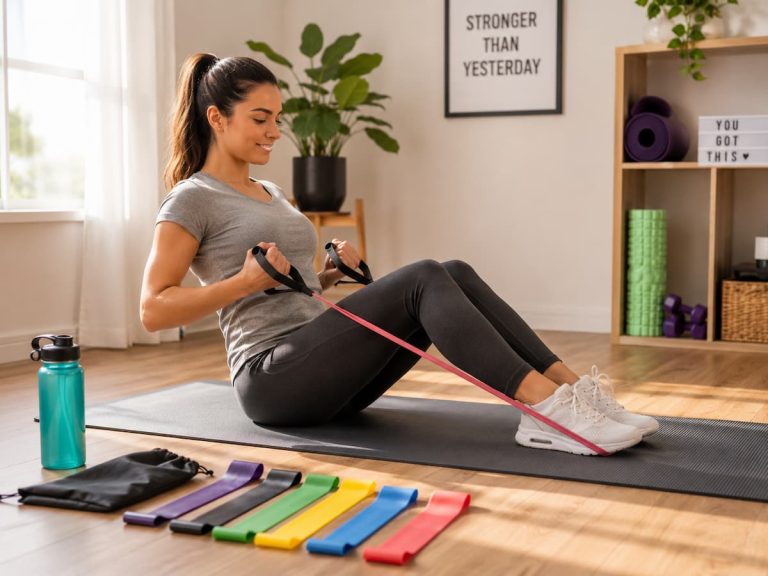
Equipment is another consideration. Bodyweight workouts require very little, making them convenient for beginners and those who prefer simple routines. Others may enjoy using resistance bands, adjustable dumbbells, or other compact equipment that adds variety without taking up much space.
Finally, think about what motivates you personally. Some individuals enjoy following structured programs with clear progression, while others prefer variety and changing activities throughout the week. Choosing a style that matches your personality often makes consistency easier than selecting a routine simply because it’s popular.
Comparing Different Home Workout Styles
The table below highlights how different workout approaches suit different lifestyles.
| Workout Style | Best Suited For | Typical Time Needed | Flexibility |
|---|---|---|---|
| Quick Daily Sessions | Busy schedules and maintaining regular activity | 10–20 minutes | Very High |
| Longer Structured Workouts | Strength, endurance, and planned training | 45–60 minutes | Moderate |
| Mixed Weekly Routine | People wanting balance and variety | Varies throughout the week | High |
| Flexible Activity-Based Routine | Unpredictable schedules and everyday movement | Small blocks throughout the day | Highest |
Rather than asking which option is best, consider which one feels realistic enough to continue during both busy and quieter periods. Consistency usually comes from choosing a routine that fits naturally into your everyday life.
Your Workout Routine Should Evolve Over Time
One mistake many people make is believing they have to follow the same workout schedule forever. In reality, your routine should change as your circumstances change. A plan that works well during one season of life may need small adjustments later because of work, family responsibilities, travel, or changing personal goals.
For example, someone preparing for an active holiday might temporarily choose longer strength-focused sessions, while a particularly demanding work period may make shorter daily workouts a more practical option. Neither approach is better—they simply reflect different priorities at different times.
Allowing your routine to evolve also makes it easier to stay consistent. Instead of abandoning exercise whenever life becomes busier, you simply adjust the style until your schedule becomes more flexible again. This adaptability often leads to much greater long-term success than repeatedly starting over with entirely new programs.
Frequently Asked Questions
Which home workout style is best for beginners?
Many beginners find that shorter, manageable sessions are easier to maintain while building confidence. As experience grows, the routine can gradually become more structured if personal goals change.
Do I need to exercise every day?
Not necessarily. The right schedule depends on your goals, available time, and recovery needs. For many people, building a consistent routine that fits their lifestyle is more important than exercising every single day.
Is it okay to change workout styles?
Yes. Adjusting your routine as your schedule, interests, or goals change is completely normal. A flexible approach often makes it easier to remain active over the long term instead of abandoning exercise during busy periods.