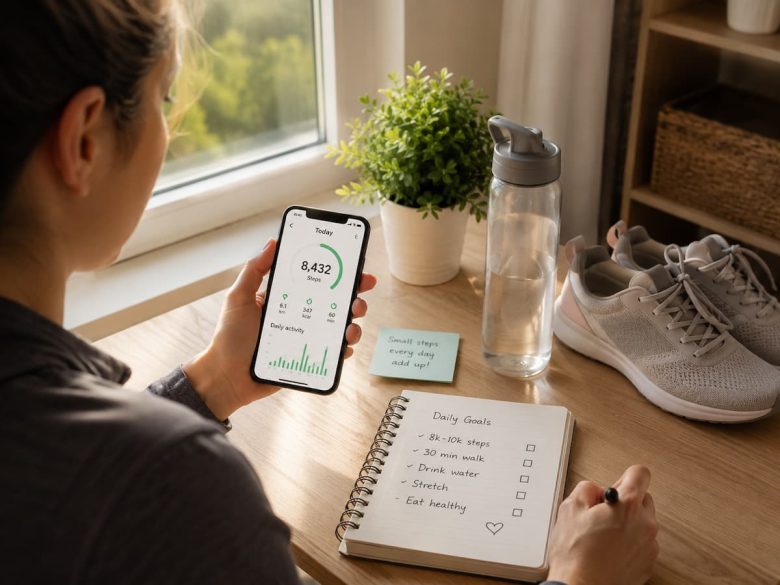
The Current State of Daily Activity Tracking
Tracking daily activity simply means recording what you do each day. This can range from planned workouts to everyday, less obvious movements. Physical activity includes things like walking to the store, cleaning, climbing stairs, playing with children, gardening, and standing while working. Many beginners think that tracking activity levels is only useful after a workout, but in reality, daily activities themselves can contribute to a more active lifestyle.
Tracking activity levels isn’t about precise recording; it’s about discovering patterns. Activity levels may be lower on weekdays due to prolonged sitting, whereas weekends and outdoor activities can lead to increased activity. Understanding your activity patterns allows you to make practical adjustments rather than relying on guesswork.
Misconception: Activity tracking is only effective if every detail is perfectly accurate. In reality, a simple system you follow consistently is often more effective than a complex one you abandon after just a week. Someone who consistently tracks their daily steps for months will likely understand their daily routine better than someone with advanced fitness equipment they rarely use The best activity tracking methods are those that fit easily into your lifestyle.
Start With One or Two Things You Actually Want to Measure
Before choosing an app, device, or method for tracking activity, determine what information you want to know about your activity. Tracking all data at once can be confusing. Beginners might track their walking time, while others may want to know the frequency of their sedentary periods during the day. Someone resuming exercise after a long break might want to track their daily activities. Your personal goals determine where you start tracking. Ask yourself: “What information can help me make a better decision tomorrow?”
| Goal | Simple Tracking Method |
| Move more during the day | Record walking time or number of active breaks |
| Create a walking habit | Track completed walks each week |
| Reduce long periods of sitting | Note when you stand up and move around |
| Build exercise consistency | Record workout days rather than every detail |
Keeping your first goal simple gives you a better chance of creating a habit. You can always add more information later when tracking becomes comfortable.
Simple Ways to Track Your Daily Activity
There is no single correct way to track movement. Some people enjoy using technology, while others prefer a notebook or a basic checklist. The best option depends on your personality and daily routine.
Using a Smartphone
Most modern smartphones can provide basic activity information through built-in health features or activity applications. They can often estimate walking distance, movement patterns, or active periods during the day. A phone-based approach works well for people who already carry their phones regularly. However, remember that these measurements are estimates. They can be useful for noticing trends, but they should not be treated as perfect measurements.
Using a Fitness Tracker or Smartwatch
Wearable devices can automatically collect activity information throughout the day. They may track steps, exercise sessions, heart rate changes, and other health-related measurements depending on the device. These tools can be helpful for people who enjoy seeing progress visually. They can also provide reminders to move after long periods of inactivity. However, owning a device does not automatically create healthier habits. The value comes from how you use that information.
Using a Simple Journal
A paper journal remains one of the easiest tracking methods. Writing down “20-minute walk” or “active day” takes only a few seconds and helps you build awareness without depending on technology. This approach can be especially useful if you find constant notifications distracting or if you prefer focusing on how you feel rather than watching numbers throughout the day.
Choose Activity Goals That Fit Your Real Life
Many people quit tracking exercise because they pick objectives based on what sounds impressive rather than what fits their schedule. Goals should motivate, not frustrate. Someone who spends most of the day at a computer may consider it more feasible to start with short mobility breaks than extended workouts. Instead of scheduling an hour-long workout, a busy parent may benefit from tracking active times throughout the day. Goals should be explicit enough to guide your actions yet flexible enough to handle hectic days. Your tracking system should accommodate the inevitable schedule fluctuations of life.
Conditions beyond your control affect some activity measurements. Weather, employment, travel, and unforeseen obligations might affect your mobility. Track repeatable activities instead of outcomes. “Take a short walk after lunch” is easier to manage than “reach a certain activity score every day.” Small, persistent activities form stronger habits than powerful bursts.
Common Activity Tracking Mistakes and How to Avoid Them
Tracking can be useful, but it can also be frustrating when people use it in ways that make healthy habits harder to maintain. Understanding common mistakes can help you create a better approach.
Trying to Track Too Many Details
Beginners sometimes start by recording everything: steps, calories, workouts, sleep, water intake, and many other measurements. While detailed information can be useful for some people, too much data can make the process feel like a daily assignment. Start with information that directly helps you make decisions. If knowing your daily walking time helps you become more active, that may be enough.
Comparing Yourself With Others
Activity tracking works best when you compare your current habits with your previous habits. Comparing your numbers with another person’s routine can create unrealistic expectations because everyone has different schedules, abilities, and lifestyles. A person who works from home, a person with a physically demanding job, and a person caring for young children may all have completely unique activity patterns. Progress should be measured against your own starting point.
Ignoring How Your Body Feels
Numbers can provide helpful information, but they are only one aspect of your overall progress. Energy levels, comfort, recovery, and overall well-being also matter. If your tracker suggests pushing harder but you feel unusually tired or uncomfortable, it is reasonable to adjust your plan. Listening to your body helps create a sustainable routine.
How to Make Activity Tracking Become a Habit
The easiest tracking system is one that becomes part of something you already do. Attaching a new habit to an existing routine reduces the effort needed to remember it. For example, you might check your activity record while drinking your morning coffee, update a journal before going to bed, or review your weekly movement during a regular planning session. The goal is not to spend more time thinking about tracking. The goal is to make tracking a quick tool that supports your decisions.
Keep the Process Simple
A tracking system that takes several minutes every day may eventually feel like a burden. A system that takes a few seconds is easier to maintain.
You can create a simple routine such as:
- Check your activity once a day instead of constantly monitoring it.
- Review weekly patterns instead of worrying about one unusual day.
- Record important changes rather than every small detail.
- Adjust your goals when your schedule changes.
Consistency matters more than complexity. A basic method used regularly provides more value than a detailed method that you rarely use.
Understanding Activity Data Without Getting Confused
The Pros and Cons of Technology
Technology can simplify activity tracking, but it shouldn’t dominate your daily life. A device or app is only valuable if it encourages you to move. Some people consider on-screen progress bars motivating, while others feel anxious due to constant alerts and measurements. There is no single right answer, as tracking affects everyone differently.
If a tool causes you to focus on the tracking itself rather than the activity, a simpler approach is likely better. Smart activity tracking systems should simplify health-related decisions, not turn your life into a performance review. You can always choose to reduce the amount of data collected. Removing unnecessary data points doesn’t mean the tracking is inaccurate; it often means you’ve discovered useful information.
Small Changes, Simple Daily Activities
Tracking works best when combined with actual changes. You can become more active without overhauling your lifestyle. Simple adjustments can boost your daily activity levels. For instance, taking a short walk while on a call, standing up during a break, or taking a few extra steps to finish a task can naturally increase your activity. Changes that are simple to repeat work best; habits integrated into your daily routine are easier to maintain.
If walking is your primary activity, make sure you have a comfortable pair of walking shoes.
- Plan activities around your daily routine rather than waiting for spare time.
- Use reminders only if they genuinely help you stay on track.
- Prioritize consistency over numbers.
Over time, small changes can help you understand your activity patterns and easily build healthier daily habits.
FAQs
1. Do I need a smartwatch or fitness tracker to track my activity?
No. While smartwatches and fitness trackers can track activity automatically, they aren’t essential. Simple notebooks, mobile apps, or established routines can help many people become more aware of their movement. The key is choosing a method you can stick with.
2. How often should I check my activity progress?
For most beginners, checking progress daily or weekly is sufficient. Constantly checking activity data can be stressful. Regular evaluations can help you recognize patterns without focusing on minor fluctuations.
3. Which activity is the easiest to start tracking?
Walking requires no equipment and can be integrated into many aspects of daily life, making it often the best starting point. The activity best suited for tracking depends on your lifestyle and interests. When physical activity becomes a natural part of your routine, it is easier to stick with it.
4. My fitness tracker displays different data than other devices. Why is that?
Different devices use different sensors and calculation methods, which can lead to varying results. Although activity trackers can reveal general patterns, some variation between devices is normal. Trends are more important than individual figures.
5. Can tracking your activities make you more active?
Tracking your activity helps you become more aware of your movement patterns and discover more opportunities for exercise. However, a tracker alone cannot create a habit.
Conclusion
Daily activity tracking doesn’t require elaborate systems, expensive equipment, or constant attention. Learning your routine and making smarter choices is the goal. A simple method you keep using is usually better than an intricate system you can’t manage. Start with one meaningful measurement, observe your patterns, and adapt as needed. Recording every movement perfectly is not the purpose. Awareness helps you make little changes and form healthy everyday routines.
References
The following resources provide reliable information about physical activity, healthy movement habits, and general health guidance: