Understanding the Four Vital Signs
Before we begin, let’s first look at what vital signs are and what they mean. The four most commonly measured vital signs reflect the body’s daily functions. Body temperature reflects how the body regulates its temperature and responds to the environment. Heart rate changes with activity, stress, and rest. Respiratory rate provides an indication of your respiratory health by displaying the number of breaths per minute. Blood pressure measures the pressure of blood against the walls of the arteries and varies with your lifestyle and daily routine. These measurements do not need to be taken precisely every day; instead, observe patterns over a period of time. A single abnormal reading may be insignificant, but frequent fluctuations can help you identify anomalies. By tracking this data regularly, you gain insight into your normal values, which is more useful than comparing them to general averages.
Choose Simple Tools for Home Monitoring
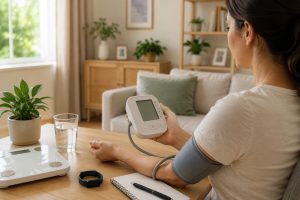
You do not need expensive equipment to measure your vital signs. Many reliable devices are inexpensive and easy to use. Digital thermometers are among the simplest devices, measuring temperature in just a few seconds. Blood pressure monitors for home use typically feature functions such as automatic measurements and user-friendly instructions. Heart rate can be measured manually or using a watch or fitness tracker. Even counting breaths with a timer can determine respiratory rate. Avoid using too many electronic devices; keep it simple. I recommend starting with one or two devices and adding more as you gain more experience. Stability is more important than complexity. Simple, straightforward-to-follow processes are easier to sustain. Creating a small space at home for electronic devices can also make it easier to establish habits. With all equipment centralized in one place, daily activities become faster and easier.
Developing Daily Habits that Fit your Lifestyle
Monitoring your vital signs can be a major challenge for beginners. Integrating monitoring your vital signs into your daily routine is essential for success. You can check your vital signs after waking up, before breakfast, or before going to bed. By choosing a fixed time, you reduce daily fluctuations. In the morning, your body is calmer and you are more alert, making it easier to take accurate measurements. If you are busy in the morning, you can check in the evening. Choosing a time you can stick to is crucial. Learning a habit should feel effortless and natural. A stressful or rushed process is harder to sustain. By checking in a relaxed and consistent manner, you turn it into a healthy daily habit.
Measuring Vital Signs Correctly
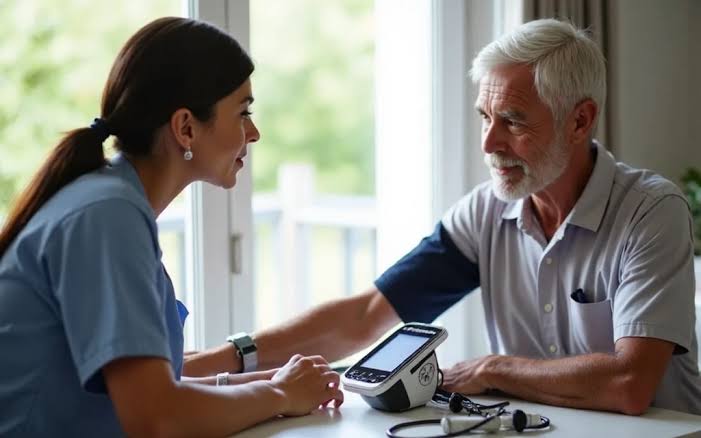
A few simple tips can improve the consistency of measurement results, but measuring correctly is actually easier than many people think. If you have been outside in the heat or cold, wait until you are inside before measuring your temperature. Sitting quietly for a few minutes before measuring your heart rate helps stabilize the results. Remain calm and still when measuring your respiratory rate. Usually, counting your breaths for one minute gives the clearest results. Sitting comfortably with your arms supported ensures the most accurate blood pressure measurements. Coffee and physical activity can temporarily affect measurement results, so avoid drinking them or exercising before measuring. These small adjustments help maintain consistent measurement results in the long run. Consistency helps you recognize patterns rather than random fluctuations.
Simply Recording Measurement Results
Regularly recording vital signs is very useful. Many people prefer electronic programs or spreadsheets, but noting the numbers in a notebook works just as well. Consistency is more important than the method. Daily measurements can reveal trends that you might otherwise overlook. For example, you might notice changes in your heart rate or blood pressure after a stressful day. Your diary becomes a useful overview of your daily health journey. By simplifying the process, the habit becomes less tedious. Simple daily recording can make a difference.
Insight into Daily Variations and Normal Fluctuations
It is normal for vital signs to fluctuate throughout the day. Your body temperature may drop in the morning and rise in the evening. Stress and physical activity increase heart rate, while rest lowers it. Respiratory rate varies with activity. Sleep, hydration, and daily habits all influence blood pressure. Understanding these natural variations can help you avoid anxiety. Instead of focusing on a single measurement, observe patterns over weeks or months. The goal is awareness, not perfection. When you discover patterns, you will realize how your lifestyle choices affect your body. Conscious living and healthy habits often stem from this awareness.
Using Data to Improve Daily Habits
Tracking vital signs can increase the effectiveness of daily activities. Many people have discovered a connection between books and daily choices. Sleeping better can stabilize morning readings, while regular exercise influences heart rate. These observations can inspire you to make small changes to your lifestyle. Drinking more water, getting enough rest, and maintaining a regular sleep schedule all influence daily readings. This process should be inspiring and motivating, not overwhelming. Progress in itself is a driving force. Visible positive changes make even small adjustments enjoyable.
Avoid Common Beginner Mistakes
Developing new habits can be difficult. Many people worry too much about their vital signs, which causes unnecessary stress. For beginners, once or twice a day is sufficient. Another common mistake is comparing your data to that of others instead of focusing on patterns. Individual trends are of the utmost importance because everyone is different. Furthermore, do not overthink small changes. Everyday life brings subtle, often harmless, changes. Try to observe patterns calmly instead of becoming obsessed with every measurement. Patience and consistency are crucial. Developing this habit takes time, but the long-term rewards are worth the effort.
Maintain your Motivation
Just like with any health habit, tracking your vital signs becomes easier with repetition. It may start as a new task, but eventually, it becomes a habit. To maintain your motivation, you must simplify the process and highlight its benefits. This habit motivates many by allowing them to take control of their health and increase their self-awareness. Understanding your body’s daily responses helps improve your health. This relationship contributes to a healthier and more balanced lifestyle. Celebrating small successes can keep you motivated. Every step forward, whether tracking your progress for a month or discovering a pattern, is worth celebrating.
Conclusion
Monitoring vital signs at home is a simple and practical way to improve your health and lifestyle. Anyone can develop this useful habit by learning to recognize vital signs, using simple equipment, and monitoring consistently. The process is not difficult or stressful. Small daily habits accumulate and show how your body responds to life. With patience and perseverance, this habit can offer lifelong benefits, promote your physical and mental health, and help you make healthier choices. This journey begins with a few minutes a day and will eventually become a powerful tool for self-awareness.
FAQs
1. How often should I monitor my vital signs at home?
For beginners, once or twice a day is sufficient. Morning and evening measurements are usually more reliable.
2. Do I need expensive equipment to get started?
No, inexpensive and simple tools are sufficient. Consistency is more important than advanced equipment.
3. Is daily variation in vital signs normal?
Daily variation is natural and is usually caused by activity, sleep, and stress.
4. What is the best time to monitor vital signs?
The best time is when you can track your data consistently, but generally, mornings are better because your body is more rested then.
5. How long should I track my data?
By tracking data over the long term, you can discover patterns and better understand your daily habits.