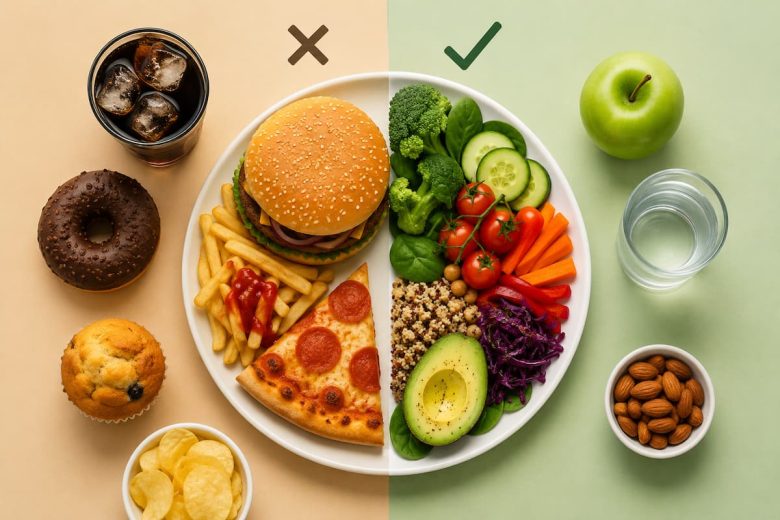
Healthy eating sounds straightforward—eat more natural foods, avoid junk, and balance your meals. But in real life, things don’t always work that neatly. Many people try to eat better but still feel tired, hungry, or inconsistent with their habits. The reason is often not lack of effort, but small everyday mistakes that go unnoticed. These mistakes are usually not dramatic. They happen quietly in daily routines—what we choose for breakfast, how we snack, or how we respond to hunger during a busy day. Over time, these small habits shape our energy, focus, and overall well-being. In this article, we will explore common healthy eating mistakes and, more importantly, simple and realistic fixes. The goal is not perfection but practical improvement that fits into normal life.
Mistake 1: Skipping Breakfast or Eating It Too Lightly
One of the most common habits people develop is skipping breakfast or having something very minimal like tea or coffee alone. While it may save time in the morning, it often affects energy levels later in the day.
In real-world terms, skipping breakfast can lead to:
- Mid-morning fatigue
- Sudden hunger cravings
- Overeating during lunch
For example, someone rushing to work might skip breakfast and feel fine for a few hours. But by late morning, they may feel low energy and reach for sugary snacks.
Simple Fix
The goal is not a heavy breakfast but a balanced start. Even a small combination helps, such as the following:
- Fruit with yogurt
- Eggs with bread
- Oats with milk
In practical terms, this means giving your body some fuel early so it doesn’t “crash” later.
Mistake 2: Relying Too Much on Processed or Packaged Foods
Modern lifestyles often depend on convenience foods. Instant noodles, packaged snacks, and fast food are quick and easy, but they are not always balanced for daily nutrition. The issue is not eating these foods occasionally but depending on them regularly. Over time, this can reduce variety in nutrients and leave people feeling less satisfied after meals.
Real-Life Example
A student or office worker may eat packaged snacks during breaks because they are easy to carry. However, they may notice hunger returning quickly afterward, leading to repeated snacking.
Simple Fix
Instead of removing processed foods completely, small changes help:
- Add fresh fruits or nuts alongside snacks
- Choose home-prepared meals when possible
- Keep simple, ready-to-eat healthy options available
This means slowly shifting balance rather than forcing strict restrictions.
Mistake 3: Ignoring Protein and Fiber in Daily Meals
Many meals focus heavily on carbohydrates like rice, bread, or noodles but lack enough protein and fibre. These two nutrients play an important role in keeping you full and maintaining steady energy. Without them, meals may feel satisfying at first, but hunger returns quickly.
What This Looks Like in Daily Life
A typical lunch might include rice and vegetables but very little protein. A person may feel hungry again within a couple of hours and start snacking unnecessarily.
Simple Fix
You don’t need complicated planning. Just add small improvements:
- Include eggs, lentils, or beans
- Add yogurt or dairy if suitable
- Include vegetables in at least one meal
In practical terms, this means making meals more “complete” rather than larger.
Mistake 4: Mindless Eating While Using Screens
One of the most modern eating habits is eating while watching TV, scrolling on a phone, or working. This reduces awareness of how much food is being consumed. When attention is divided, the brain doesn’t fully register fullness signals. This can lead to eating more than needed without realising it.
Real-World Scenario
Someone watching videos while eating snacks may finish the entire packet without noticing. Later, they may not even remember how much they ate.
Simple Fix
Try small changes:
- Eat at least one meal without screens
- Sit at a table when possible
- Focus on chewing and eating slowly
This doesn’t mean strict rules—just increasing awareness during meals.
Mistake 5: Not Drinking Enough Water Throughout the Day
Hydration is often overlooked in daily routines. Many people only drink water when they feel thirsty, but by then the body may already be slightly dehydrated. Sometimes fatigue, headaches, or confusion between hunger and thirst can be linked to low water intake.
Everyday Example
A person may feel hungry in the afternoon and snack when, in reality, they are just slightly dehydrated.
Simple Fix
- Keep a water bottle nearby
- Take small sips regularly
- Drink a glass of water before meals
In simple terms, hydration is not about large amounts at once—it’s about consistency.
Mistake 6: Misunderstanding Portion Sizes
Another common issue is portion imbalance. People often eat more than they need simply because portions are large or because food is served that way. This is especially common in social gatherings or restaurant meals.
Real-Life Situation
Someone may finish a large plate of food even when they are already full because the portion is served in one large serving.
Simple Fix
- Start with smaller portions and add more if needed
- Listen to hunger and fullness signals
- Avoid “finishing everything on the plate” habit when unnecessary
This is about awareness rather than restriction.
Practical Simple Fixes That Actually Fit Busy Lives
Healthy eating improves when changes are realistic. Instead of complex diets, small consistent improvements work better.
Here are practical fixes:
- Add one balanced meal daily instead of changing everything at once
- Keep simple, healthy snacks available
- Drink water at regular intervals
- Eat at least one screen-free meal
- Include protein in at least two meals
In practical terms, this means improving your routine without increasing effort significantly.
How These Eating Habits Affect Everyday Life
Healthy eating habits influence more than just physical health. They affect energy, focus, mood, and productivity.
People often notice:
- Better concentration during work or study
- Less mid-day fatigue
- Fewer sudden hunger cravings
- More stable energy levels
The changes are not instant, but they become noticeable over time when habits improve. In simple words, better eating habits make daily life feel smoother.
Challenges in Changing Eating Habits
Even when people understand these mistakes, changing them is not always easy. Common challenges include:
- Busy schedules
- Limited food options
- Habit-based cravings
- Social eating situations
It’s important to understand that these challenges are normal. The goal is not perfection but gradual improvement. Even small adjustments done consistently are meaningful.
Future Trends in Healthy Eating Habits
Modern lifestyle trends are slowly making healthy eating easier.
We are seeing:
- More accessible healthy food options
- Simple meal-prep ideas shared online
- Better awareness of nutrition basics
- Apps that help track eating habits in simple ways
However, the most important trend is still personal awareness—understanding your own habits and improving them step by step.
Conclusion
Common healthy eating mistakes are usually not about lack of knowledge but about everyday habits that go unnoticed. Skipping meals, relying too much on processed food, ignoring protein, eating mindlessly, and not drinking enough water are all simple patterns that affect overall well-being.
The good news is that these mistakes are also easy to improve. You don’t need a strict diet or complicated system. Small changes—like balanced meals, better hydration, and mindful eating—can make a real difference over time. In the end, healthy eating is less about perfection and more about consistency in simple choices.