Why You Should Eat More Vegetables
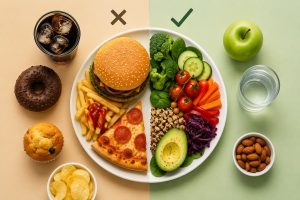
Vegetables are packed with various nutrients that help your body function properly. They are generally low in calories yet rich in vitamins, minerals, fiber, antioxidants, and water. Consuming various vegetables promotes overall health and helps your body perform daily tasks more efficiently. Many people think that vegetables only help with weight management, but their benefits go far beyond that. A nutritious diet rich in vegetables contributes to a healthy heart, optimal digestion, a strong immune system, and healthy skin, while also providing energy throughout the day. The fiber in vegetables also helps you feel full for longer. This can certainly help you avoid unnecessary snacking without having to count calories or follow strict dietary restrictions.
Instead of trying to give up unhealthy foods entirely, you could try eating an extra serving of vegetables each day. Positive eating habits are easier to maintain than strict diets.
Benefits of Eating More Vegetables
- Supports healthy digestion through dietary fiber.
- Provides important vitamins and minerals.
- Helps maintain healthy body weight.
- Supports heart health.
- May reduce the risk of certain chronic diseases.
- Keeps meals colorful, satisfying, and more nutritious.
Why Many People Don’t Eat Enough
Most people are not avoiding vegetables because they dislike them. Instead, common challenges include:
- Busy lifestyles.
- Lack of meal planning.
- Limited cooking confidence.
- Relying on processed convenience foods.
- Thinking vegetables require complicated recipes.
The encouraging news is that every one of these challenges has practical solutions, many of which require only a few extra minutes each week.
How Many Vegetables Should You Eat Each Day?
There isn’t a single number that works for everyone because age, activity level, and calorie needs vary. However, most nutrition experts agree that adults should aim for several servings of vegetables every day. Instead of worrying about exact measurements, focus on making vegetables a regular part of each meal. If vegetables appear at breakfast, lunch, dinner, and snacks, you’re much more likely to reach your daily goal naturally.
Simple Serving Examples
| Vegetable | Example Serving |
|---|---|
| Leafy greens | 1 cup raw spinach or lettuce |
| Cooked vegetables | ½ cup broccoli, carrots, or peas |
| Raw vegetables | 1 medium tomato or sliced cucumber |
| Vegetable soup | 1 cup |
Focus on Variety
Eating the same vegetable every day is better than eating none, but including different colors gives your body a wider range of nutrients.
| Color | Examples | Why It Helps |
|---|---|---|
| Green | Spinach, broccoli, kale | Rich in vitamins and minerals |
| Orange | Carrots, pumpkin, sweet potatoes | Supports eye health |
| Red | Tomatoes, peppers | Contains beneficial antioxidants |
| Purple | Eggplant, purple cabbage | Offers plant compounds that support health |
| White | Mushrooms, onions, cauliflower | Adds flavor and valuable nutrients |
Best Practice: Try to include at least three different vegetable colors throughout the day rather than focusing on only one type.
Simple Ways to Add Vegetables to Breakfast
Breakfast is often the meal where vegetables are forgotten. Many traditional breakfast foods focus on bread, cereal, or sweet options, leaving little room for produce. Fortunately, adding vegetables in the morning is easier than most people expect.
Add Vegetables to Eggs
Eggs pair well with almost every vegetable. Even a small handful can make breakfast more filling and nutritious.
Good choices include:
- Spinach
- Mushrooms
- Tomatoes
- Bell peppers
- Onions
- Zucchini
Simply sauté vegetables for a few minutes before adding eggs to create a colorful omelet or scrambled eggs.
Blend Vegetables into Smoothies
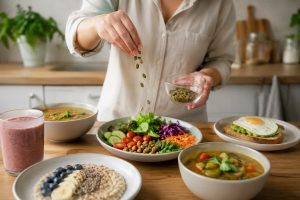
Many leafy greens blend well with fruit without changing the taste dramatically. Spinach is one of the easiest vegetables to include because its mild flavor mixes well with bananas, berries, mangoes, and yogurt.
A beginner-friendly smoothie could include:
- 1 banana
- 1 cup spinach
- Frozen berries
- Greek yogurt
- Milk or a plant-based alternative
Upgrade Toast
Instead of plain butter or jam every morning, top whole-grain toast with vegetables.
Ideas include:
- Mashed avocado with sliced tomatoes
- Cottage cheese with cucumber
- Hummus with shredded carrots
- Cream cheese with sliced peppers
Prepare Breakfast Ahead of Time
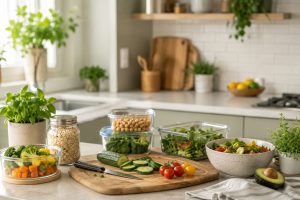
Busy mornings often lead to rushed food choices. Preparing vegetable-rich breakfast muffins, overnight egg cups, or chopped vegetables the night before makes healthy eating much more convenient.
Tip: Wash and chop vegetables on the weekend so they’re ready to use during busy weekday mornings.
Easy Vegetable Ideas for Lunch
Lunch is an excellent opportunity to increase your daily vegetable intake, as you can easily customize many meals. Even simple sandwiches or leftovers become more nutritious with a few extra ingredients.
Build Better Sandwiches
Many sandwiches contain only lettuce and a slice of tomato. Instead, consider vegetables to be a main ingredient rather than a garnish.
Add combinations such as:
- Cucumber
- Bell peppers
- Spinach
- Red onions
- Shredded carrots
- Sprouts
- Avocado
The added crunch and freshness often improve both flavor and texture.
Create Balanced Salad Bowls
A satisfying salad includes more than leafy greens. Combining vegetables with protein, healthy fats, and whole grains creates a complete meal that keeps you full longer.
| Ingredient | Examples |
|---|---|
| Leafy greens | Spinach, romaine, kale |
| Colorful vegetables | Tomatoes, cucumbers, peppers |
| Protein | Chicken, beans, eggs, tofu |
| Healthy fats | Avocado, nuts, seeds |
| Whole grains | Brown rice, quinoa |
Add Vegetables to Leftovers
If you’re reheating leftover pasta, rice, soup, or stir-fry, toss in frozen broccoli, peas, spinach, or mixed vegetables while warming the meal. This takes only a few extra minutes and increases both nutrition and meal volume.
Warning: Avoid relying solely on creamy dressings or cheese to make vegetables appealing. Herbs, lemon juice, olive oil, garlic, and spices often provide excellent flavor with fewer added calories.
Lunch becomes much healthier when vegetables move from being a side dish to becoming a central part of the meal. Small additions each day can quickly become lasting habits without making meals feel restrictive.
Making Dinner Naturally Rich in Vegetables
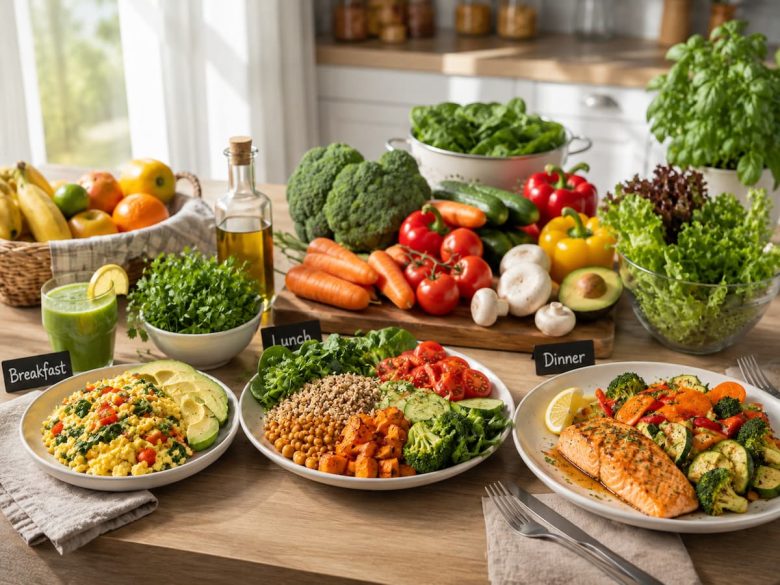
Dinner is often the easiest meal for increasing your vegetable intake because there are so many ways to include them. Instead of treating vegetables as a small side dish, think about making them a major part of the plate. A simple rule is to fill about half of your dinner plate with vegetables, then add your protein and whole grains. You don’t have to prepare complicated recipes. Many everyday meals become healthier simply by adding more vegetables during cooking.
Improve Your Favorite Meals
Rather than giving up foods you enjoy, make them more nutritious by adding extra vegetables.
| Meal | Easy Vegetable Additions |
|---|---|
| Pasta | Spinach, mushrooms, zucchini, broccoli |
| Pizza | Bell peppers, onions, tomatoes, mushrooms |
| Tacos | Shredded lettuce, cabbage, tomatoes, corn, peppers |
| Rice dishes | Peas, carrots, green beans, broccoli |
| Burgers | Tomatoes, lettuce, grilled onions, avocado |
Try One-Pan Vegetable Meals
Roasting vegetables on a single baking tray saves time and makes cleanup easier. Toss vegetables with a small amount of olive oil, herbs, garlic, and black pepper before roasting until lightly browned.
Vegetables that roast well include:
- Carrots
- Cauliflower
- Broccoli
- Brussels sprouts
- Sweet potatoes
- Bell peppers
- Onions
- Zucchini
Tip: Roasting brings out the natural sweetness of many vegetables, making them more appealing to people who normally don’t enjoy steamed vegetables.
Healthy Vegetable Snack Ideas
Snacks can either improve your daily nutrition or add extra sugar and unhealthy fats. Replacing just one processed snack each day with vegetables can make a noticeable difference over time.
Easy Grab-and-Go Snacks
- Baby carrots with hummus
- Cucumber slices with yogurt dip
- Bell pepper strips with guacamole
- Cherry tomatoes with cheese cubes
- Celery with peanut butter
- Sliced radishes with cottage cheese
Preparing vegetables in advance makes healthy choices much easier when you’re hungry.
Prepare Snack Boxes
Fill reusable containers with a mix of colorful vegetables and healthy dips. Keeping these in the refrigerator reduces the temptation to reach for less nutritious convenience foods.
| Vegetable | Pairs Well With |
|---|---|
| Carrots | Hummus |
| Cucumber | Greek yogurt dip |
| Celery | Peanut butter |
| Bell peppers | Guacamole |
| Broccoli | Light ranch dip |
Shop Smart and Keep Vegetables Fresh
Buying vegetables is only helpful if you actually use them before they spoil. A little planning helps reduce food waste while saving money.
Create a Weekly Plan
Before shopping, decide which meals you’ll prepare during the week. Buy vegetables that match those meals instead of purchasing random produce that may never get used.
Choose Fresh, Frozen, and Canned Options
Fresh vegetables are excellent, but they are not the only healthy choice.
| Type | Advantages |
|---|---|
| Fresh | Excellent flavor and texture |
| Frozen | Long shelf life and quick preparation |
| Canned | Convenient and budget-friendly |
When choosing canned vegetables, seek products with little or no added salt whenever possible.
Store Vegetables Properly
- Keep leafy greens dry until ready to use.
- Store carrots and celery in airtight containers.
- Refrigerate broccoli and cauliflower.
- Keep potatoes and onions in a cool, dark place.
- Use delicate vegetables earlier in the week.
Best Practice: Place ready-to-eat vegetables at eye level in the refrigerator. People are much more likely to eat healthy foods when they are easy to see.
Cooking Methods That Improve Flavor
One reason people avoid vegetables is that they’ve only eaten them prepared in ways that don’t bring out their best flavor. Cooking methods can entirely change the taste, texture, and appearance of vegetables.
Compare Different Cooking Methods
| Method | Benefits | Best Vegetables |
|---|---|---|
| Roasting | Rich flavor and crispy edges | Carrots, broccoli, cauliflower |
| Steaming | Retains moisture | Broccoli, beans, peas |
| Grilling | Smoky flavor | Zucchini, peppers, asparagus |
| Stir-frying | Quick and colorful | Mixed vegetables |
| Raw | Crunchy and refreshing | Cucumber, carrots, peppers |
Season Vegetables Well
Healthy food doesn’t need to be bland. Herbs and spices can dramatically improve flavor.
Popular seasonings include:
- Garlic
- Black pepper
- Paprika
- Italian herbs
- Lemon juice
- Fresh parsley
- Rosemary
- Thyme
Experiment with different combinations until you discover flavors you enjoy.
Common Mistakes That Reduce Vegetable Intake
Many healthy eating plans fail because people unknowingly create habits that make vegetables harder to enjoy. Recognizing these mistakes can help you build routines that last.
Trying to Change Everything at Once
Adding vegetables to every meal overnight can feel overwhelming. Instead, introduce one new habit each week. Small improvements are easier to maintain than major lifestyle changes.
Buying Too Much Produce
It’s tempting to fill your shopping cart with healthy foods, but buying more than you can use often leads to waste. Start with realistic amounts based on your weekly meal plan.
Ignoring Frozen Vegetables
Some people assume frozen vegetables are less nutritious than fresh ones. In reality, frozen vegetables are often picked and frozen at peak freshness, making them a convenient and healthy option.
Cooking the Same Vegetables Every Time
Eating only steamed broccoli every week can become boring. Rotate different vegetables, cooking methods, herbs, and spices to keep meals fresh and appealing
Warning: Don’t wait until vegetables are nearly spoiled before using them. Plan meals around the produce that needs to be eaten first to reduce waste.
FAQs
2. Are frozen vegetables just as healthy as fresh ones?
Yes. Frozen vegetables are selected at peak ripeness and frozen immediately to preserve their nutrients. They are convenient, affordable, and available year-round. Moreover, they help reduce food waste because you can prepare them exactly when you need them.
3. I’m always busy; how can I eat more vegetables?
Preparation is key. Wash and chop vegetables in advance. Buying frozen vegetables can make preparing dinner easier. Keep ready-to-eat snacks in airtight containers in the freezer. Occasionally it is more convenient to add vegetables directly to dishes you are already making, rather than preparing them separately.
4. Which vegetables are best for beginners?
Suitable options to start with include carrots, cucumbers, spinach, broccoli, bell peppers, tomatoes, green beans, and lettuce. These vegetables are easy to prepare, widely available, and naturally included in many staple dishes.
Summary
“Adding more vegetables to your diet doesn’t have to be expensive, complicated, or a drastic lifestyle change. Small adjustments—such as adding spinach to scrambled eggs, incorporating vegetables into pasta, preparing healthy snack packs, or roasting various colorful vegetables for dinner—can yield significant benefits over time.”
The best healthy eating habits are simple to adopt. “Don’t feel pressured to completely overhaul your diet overnight; simply consider adding vegetables to the dishes you already cook and eat.” Each extra serving provides nutrients that benefit your overall health and help you achieve a more balanced diet. Try out one or two suggestions from this guide today. As these habits become established, you can keep trying new vegetables, dishes, and cooking methods. Perfection isn’t the goal; consistency is key, and every healthy choice is a step in the right direction.”
References
- World Health Organization (WHO). Healthy Diet. https://www.who.int/news-room/fact-sheets/detail/healthy-diet
- U.S. Department of Agriculture. MyPlate. https://www.myplate.gov
- Dietary Guidelines for Americans. https://www.dietaryguidelines.gov
- Centers for Disease Control and Prevention (CDC). Healthy Eating Tips. https://www.cdc.gov/nutrition
- Harvard T.H. Chan School of Public Health. The Nutrition Source. https://www.hsph.harvard.edu/nutritionsource
- National Health Service (NHS). Eatwell Guide. https://www.nhs.uk/live-well/eat-well