Walk into almost any busy household around dinner time and you’ll notice the same pattern. Someone opens the refrigerator, looks around for a few minutes, closes the door, and then repeats the process hoping a better idea will suddenly appear. Eventually, convenience takes over, and the quickest option—not necessarily the healthiest one—ends up on the table. It’s rarely a lack of knowledge that leads to these decisions. More often, it’s a lack of preparation and an inefficient kitchen routine.
Healthy eating doesn’t always depend on finding better recipes or following strict meal plans. In many cases, it begins with making the kitchen easier to use. Small habits such as organizing frequently used ingredients, preparing simple foods ahead of time, or cleaning as you cook can quietly remove the daily obstacles that make healthy choices feel inconvenient. These habits don’t require major lifestyle changes, yet they can significantly reduce the time spent deciding what to eat.
This article explores practical kitchen habits that simplify everyday cooking, reduce unnecessary stress, and make nutritious meals easier to prepare even during busy weeks. Instead of focusing on complicated techniques, the goal is to build routines that naturally fit into everyday life and continue working long after the initial motivation has faded.
Healthy Eating Often Starts Before You Begin Cooking
Many people believe healthy meals are created while standing at the stove, but most food decisions are actually made much earlier. The condition of your kitchen, the availability of ingredients, and how easily you can access them all influence what eventually ends up on your plate. When preparing a balanced meal feels complicated, convenience usually wins.
Imagine coming home after a long day to find vegetables already washed, frequently used spices within easy reach, and cooking utensils stored where you naturally need them. Compare that with searching through crowded cabinets, washing everything from scratch, and discovering halfway through that an important ingredient is missing. The second situation makes ordering takeout or choosing processed foods much more tempting, even for someone who genuinely wants to eat well.
Creating an organized kitchen isn’t about perfection or expensive storage solutions. It’s about removing small barriers that repeatedly slow you down. Every unnecessary step between deciding to cook and actually preparing food increases the likelihood of choosing something less nutritious simply because it requires less effort.
The Kitchen Reset Habit That Saves Time Every Single Day
One of the most valuable routines you can develop doesn’t involve cooking at all. It involves spending a few minutes resetting your kitchen after meals so it’s ready for the next one. This simple habit often goes unnoticed, yet it reduces countless small frustrations that accumulate throughout the week.
A kitchen reset may include washing commonly used utensils, wiping work surfaces, returning ingredients to their proper places, and making sure preparation areas remain clear. None of these tasks take very long individually, but together they create an environment where cooking feels far less overwhelming. Starting with a clean and organized space also reduces the temptation to postpone preparing meals because everything already feels manageable.
The goal isn’t to achieve a spotless kitchen after every meal. Instead, think of it as preparing your future self for the next cooking session. Investing a few minutes today often saves much more time and mental effort tomorrow, especially during busy weekdays when every minute matters.
Organize Your Kitchen Around Everyday Habits Instead of Categories
Traditional kitchen organization often groups items by type. Baking ingredients stay together, canned foods share one shelf, and spices occupy another cabinet. While this arrangement looks tidy, it doesn’t always match the way people actually cook. Organizing your kitchen according to your daily routine can make meal preparation noticeably faster.
For example, if you prepare breakfast every morning, keeping oats, cereal, coffee, tea, and frequently used utensils close together reduces unnecessary movement around the kitchen. Likewise, storing cooking oils, seasonings, chopping boards, and knives near your primary preparation area allows meals to come together more smoothly because everything is already within reach.
This habit becomes even more valuable over time because it reduces decision fatigue. Instead of searching different cabinets every time you cook, your kitchen naturally guides you through familiar routines. Less time spent looking for ingredients means more time focusing on preparing balanced meals.
Build Small Routines Around Different Times of the Day
Rather than thinking about healthy eating as one large daily task, divide your kitchen habits into smaller routines that match different parts of the day. These routines are easier to maintain because they require only a few minutes and gradually become automatic through repetition.
Morning: Prepare for the Rest of the Day
The first few minutes spent in the kitchen each morning can influence food choices for the entire day. Refilling your water bottle, placing fresh fruit where it’s easily visible, checking available ingredients for dinner, or preparing simple snacks before leaving home all reduce the number of decisions you’ll need to make later.
Morning routines are particularly effective because they happen before the day becomes busy. Completing a few small tasks early often prevents rushed choices during the afternoon or evening when energy levels may be lower and convenience becomes more appealing.
Afternoon: A Quick Midday Kitchen Check
A short visit to the kitchen during the afternoon can prevent dinner from becoming stressful. This doesn’t mean preparing an entire meal in advance. Instead, take a moment to confirm which ingredients are available, move frozen items to the refrigerator if needed, or wash produce that you’ll use later.
These small actions may seem insignificant at the time, yet they remove many of the delays that often encourage people to choose less balanced meals after a busy day. Spending just a few minutes planning ahead creates a smoother cooking experience when time feels limited.
Keep Frequently Used Healthy Ingredients Ready Without Overpreparing
One common mistake is believing that healthy eating requires preparing every meal days in advance. While meal preparation works well for some people, others find it difficult to maintain because it demands several hours at once. A more practical approach is simply keeping versatile ingredients ready to use throughout the week.
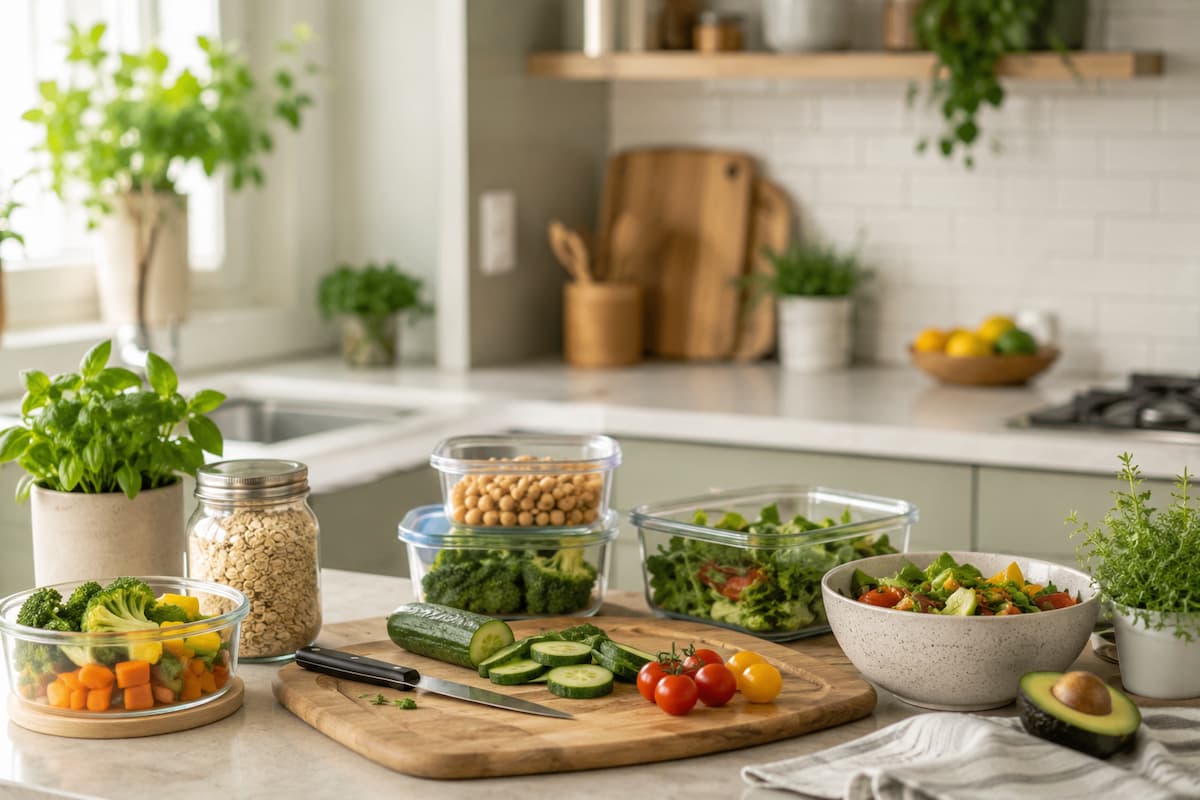
Instead of preparing complete meals, consider washing leafy vegetables, storing chopped vegetables in clear containers, cooking a batch of grains, or portioning commonly used ingredients. These small preparations make everyday cooking faster while still allowing flexibility when choosing meals. You save time without feeling restricted to food prepared several days earlier.
The key is finding a balance between preparation and freshness. Preparing just enough to remove unnecessary work from busy weekdays keeps healthy cooking convenient while avoiding waste from making more than you’ll realistically use.
Weekly Kitchen Habits That Save More Time Than Daily Shortcuts
Many people spend considerable effort finding quicker ways to prepare individual meals but overlook the routines that make the entire week easier. A few intentional habits completed once or twice a week often save far more time than searching for new cooking shortcuts every day. They also reduce the number of last-minute decisions that frequently lead to less balanced food choices.
One effective approach is setting aside a specific day to review the refrigerator, freezer, and pantry before shopping. This simple habit prevents buying duplicate ingredients while reminding you to use foods that are already available. It also makes grocery shopping more focused because purchases are based on actual needs instead of impulse decisions made while walking through the store.
Another helpful routine is spending a few minutes after grocery shopping preparing ingredients that will be used repeatedly throughout the week. Washing herbs, storing vegetables in easy-to-reach containers, or separating snacks into smaller portions requires a little effort at first but removes several small tasks from future meals. These minutes add up quickly, especially during busy weekdays.
Design Your Kitchen to Encourage Better Food Choices
The layout of your kitchen quietly influences everyday eating habits more than many people realize. Foods that are easy to see and reach are naturally chosen more often than those hidden behind other items or stored in inconvenient places. Instead of relying entirely on willpower, make your environment support the decisions you want to make.
For example, placing fresh fruit where it is immediately visible makes it more likely to become a quick snack. Frequently used cooking tools stored near your preparation area reduce unnecessary movement and help meals come together more efficiently. At the same time, keeping less nutritious convenience foods out of immediate sight can reduce mindless eating without requiring strict rules.
Small environmental adjustments also reduce mental effort. When healthy ingredients are organized logically and cooking equipment is easy to access, preparing balanced meals feels like the easier option rather than the more difficult one. Over time, these seemingly minor changes become part of a routine that requires very little conscious thought.
Time Is Often Lost in Unexpected Places
Many people assume cooking itself takes the most time, but delays often happen before the first ingredient reaches the pan. Looking for utensils, searching crowded cabinets, realizing ingredients are missing, or repeatedly cleaning cluttered work surfaces can make even simple recipes feel unnecessarily complicated. Reducing these interruptions often saves more time than trying to cook faster.
Pay attention to moments where your routine regularly slows down. If you frequently open several cabinets looking for the same item, reorganizing those storage areas may have a greater impact than learning a quicker recipe. Likewise, if cleaning becomes overwhelming after every meal, washing a few items while food is cooking can prevent large piles of dishes from building up later.
Improving efficiency isn’t about rushing through the kitchen. It’s about removing repeated obstacles that quietly consume time every single day. Once those small interruptions disappear, cooking naturally becomes smoother and far less stressful.
A Practical Weekly Kitchen Efficiency Routine
The following routine is designed to spread small kitchen tasks throughout the week instead of leaving everything for one day. The goal isn’t to follow it perfectly but to create a rhythm that keeps your kitchen ready for everyday cooking.
| Time | Simple Habit | Benefit |
|---|---|---|
| After grocery shopping | Wash and organize frequently used produce | Reduces preparation time during the week |
| Every evening | Reset work surfaces and return ingredients to their places | Makes the next meal easier to prepare |
| Midweek | Check remaining ingredients before shopping again | Reduces food waste and duplicate purchases |
| Weekend | Review pantry staples and basic cooking supplies | Prevents last-minute shortages |
| Any convenient time | Clean one storage area or shelf | Keeps the kitchen organized without major cleaning sessions |
Following a routine like this means maintenance happens gradually rather than becoming a large task that is easy to postpone.
Healthy Eating Becomes Easier When Decisions Become Simpler
One reason healthy eating feels difficult is the number of choices people try to make every day. Deciding what to cook, checking available ingredients, preparing everything from scratch, and cleaning afterward all require time and attention. Simplifying these decisions often has a greater impact than learning additional recipes.
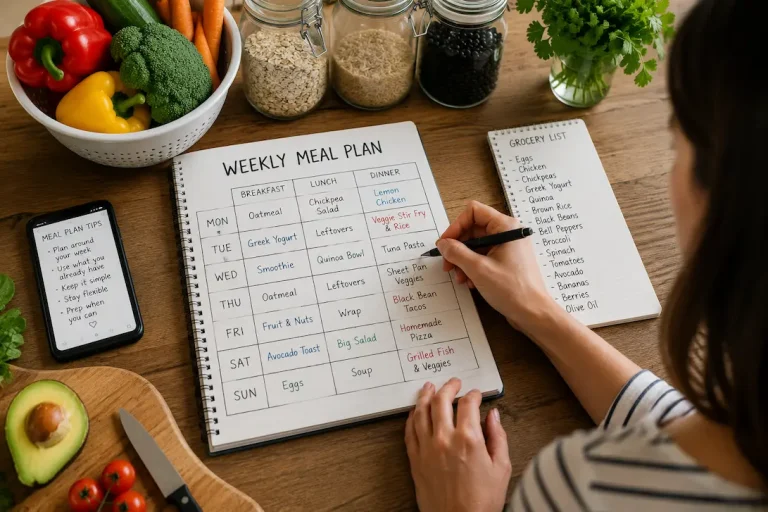
Instead of creating a completely different meal every day, build a small collection of reliable dishes that use similar ingredients. Familiar meals reduce shopping complexity and make preparation more efficient because the required steps gradually become second nature. This doesn’t mean eating the same foods constantly—it simply provides a dependable starting point during busy weeks.
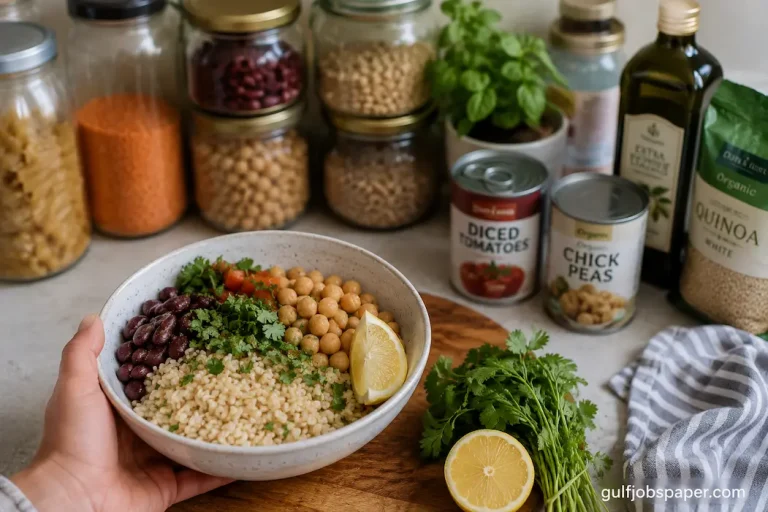
Keeping a few versatile ingredients available also supports flexibility. Whole grains, beans, frozen vegetables, eggs, yogurt, seasonal produce, herbs, and basic seasonings can be combined in many different ways without requiring a large number of specialty items. A well-stocked kitchen makes healthy cooking feel convenient rather than restrictive.
Frequently Asked Questions
Do I need to prepare all my meals in advance to eat healthier?
Not necessarily. Many people find greater success by preparing commonly used ingredients instead of complete meals. This approach saves time while still allowing flexibility throughout the week.
What’s the easiest kitchen habit to start with?
A daily kitchen reset is one of the simplest and most effective habits. Spending a few minutes cleaning work surfaces, putting away ingredients, and preparing the kitchen for the next meal can make cooking feel much less overwhelming.
How can I reduce food waste while organizing my kitchen?
Store older ingredients where they are easy to see and use first. Reviewing your refrigerator before shopping and planning meals around existing foods also helps reduce unnecessary waste.
Should I buy special storage containers?
Useful storage containers can improve organization, but they are not essential. A simple system that keeps ingredients visible, fresh, and easy to access is usually more important than having matching containers.