It’s a familiar situation. Breakfast seems filling at first, but by mid-morning you’re already looking for another snack. Lunch feels substantial, yet a couple of hours later you’re searching the kitchen again. Many people assume this happens because they simply didn’t eat enough, but the amount of food isn’t always the main reason. In many cases, it’s the way foods are combined on the plate that determines how long a meal keeps you feeling satisfied.
Different foods contribute different qualities to a meal. Some provide lasting energy, others add volume, while some help slow digestion and create a greater sense of fullness. When these foods work together, meals often become more satisfying without necessarily becoming much larger. This approach focuses on balance rather than restriction, making it easier to maintain healthy eating habits over time.
Instead of relying on expensive specialty foods or complicated meal plans, understanding a few practical food combinations can help you build everyday meals that feel more complete. These combinations aren’t about following strict rules. They’re about making thoughtful choices using ingredients that many people already keep in their kitchens.
Why Some Meals Leave You Hungry Much Sooner Than Others
Not every meal affects your appetite in the same way. Two lunches may contain a similar number of calories yet leave you feeling completely different an hour later. This difference often comes down to the balance of nutrients and the overall structure of the meal rather than its size alone.
Meals made mostly from highly refined foods tend to be eaten quickly and digested more rapidly. While they may provide immediate energy, they sometimes leave people feeling hungry again sooner than expected. On the other hand, meals that include a thoughtful combination of protein, fiber, and healthy fats generally encourage a steadier feeling of fullness because they digest at a more gradual pace.
This doesn’t mean every meal needs to be carefully measured or perfectly balanced. Even small adjustments, such as pairing fruit with a source of protein or adding vegetables to a grain-based meal, can make everyday eating feel more satisfying without adding unnecessary complexity.
Combination One: Fruit and Protein
Fresh fruit is naturally refreshing and provides important vitamins, minerals, and fiber. However, eating fruit by itself may not always keep you satisfied for very long, especially during busy mornings or active afternoons. Pairing fruit with a protein-rich food often creates a snack that feels much more complete.
For example, apple slices with plain yogurt, berries with cottage cheese, or a banana alongside a handful of nuts combine natural sweetness with nutrients that support longer-lasting satisfaction. These pairings are easy to prepare, travel well, and require very little planning, making them practical choices for workdays or afternoons at home.
Rather than viewing fruit as something that should always be eaten alone, think of it as one part of a balanced snack. A simple combination like this can help reduce the urge to reach for more processed convenience foods between meals.
Combination Two: Whole Grains and Vegetables
Whole grains provide a steady source of energy, while vegetables add texture, volume, and additional fiber to a meal. Together, they create dishes that often feel more satisfying than meals built around refined grains alone. This combination also makes it easier to include a greater variety of foods without dramatically changing familiar recipes.
Brown rice with roasted vegetables, whole-grain pasta mixed with colorful vegetables, or quinoa served alongside seasonal produce are simple examples that work well for both lunches and dinners. Because vegetables naturally increase the volume of a meal, they can make portions feel more substantial without relying entirely on larger servings of grains.
Another advantage of this pairing is flexibility. Different vegetables can be used throughout the year depending on availability and personal preference, allowing meals to remain interesting without requiring completely new recipes each week.
Combination Three: Healthy Fats With Fresh Vegetables
Raw vegetables are a valuable part of many eating patterns, but pairing them with a source of healthy fat can create a more satisfying snack or side dish. Healthy fats contribute richness and flavor while helping meals feel more complete, making it easier to stay comfortable until the next planned meal.
Simple examples include sliced vegetables served with hummus, cucumber and tomatoes dressed with olive oil, or carrot sticks paired with avocado-based dips. These combinations don’t require complicated preparation, yet they often provide a more enjoyable eating experience than vegetables served completely plain.
This approach also encourages variety. Instead of viewing vegetables as something that must always accompany a main meal, they become convenient snack options that fit naturally into different parts of the day.
Combination Four: Beans, Lentils, and Whole Grains
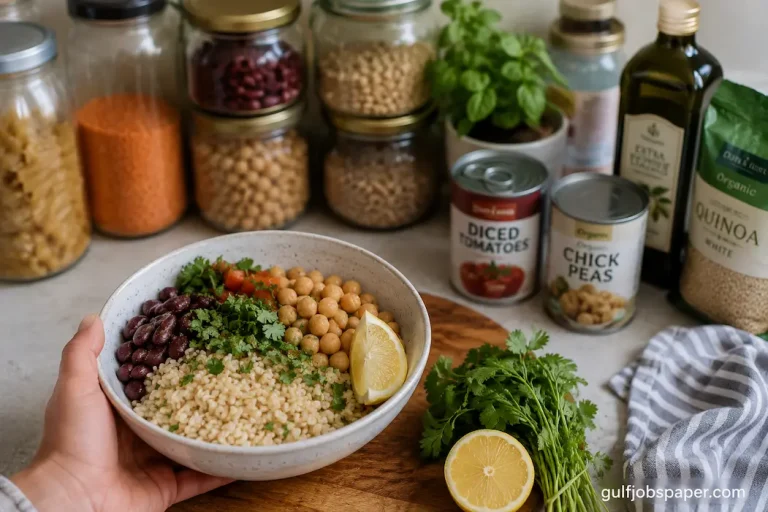
Beans and lentils have long been valued in many traditional cuisines because they are both versatile and satisfying. When paired with whole grains, they create meals that offer a combination of plant-based protein, fiber, and steady energy, making them suitable for lunches, dinners, or meal preparation.
Meals such as lentil soup with whole-grain bread, black beans served over brown rice, or chickpeas mixed into grain salads are practical examples that use widely available ingredients. These combinations also adapt easily to different herbs, vegetables, and seasonings, allowing one basic idea to become several different meals throughout the week.
Another benefit is affordability. Many dried or canned legumes are economical pantry staples, making this combination accessible without requiring specialty ingredients or expensive products.
Combination Five: Eggs and Colorful Vegetables
Eggs are a familiar ingredient in many kitchens because they cook quickly and can be used in countless ways. Pairing them with colorful vegetables creates meals that are both practical and satisfying, whether you’re preparing breakfast, lunch, or a light evening meal.
An omelet filled with spinach, tomatoes, and mushrooms, scrambled eggs served alongside roasted vegetables, or boiled eggs added to a fresh salad all combine protein with fiber-rich ingredients. These meals are often simple enough for busy mornings while remaining flexible enough to suit different tastes and seasonal produce.
Using vegetables as part of the main meal instead of only as a side dish also increases variety without making cooking significantly more complicated. Small additions repeated consistently over time often contribute more to everyday eating habits than occasional major changes.
Understanding Why These Pairings Feel More Satisfying
Although each combination uses different ingredients, they share a common principle. Instead of relying heavily on one type of food, they bring together nutrients that complement one another. Protein helps support fullness, fiber adds volume and slows digestion, while healthy fats contribute richness that often makes meals feel more complete.
This balanced approach doesn’t require perfect planning or detailed calculations. In many situations, simply asking whether your meal includes more than one source of nourishment can help guide everyday decisions. Over time, these thoughtful combinations become familiar habits rather than carefully planned strategies, making balanced eating easier to maintain even during busy weeks.
When a Meal Looks Healthy but Doesn’t Keep You Full
Not every nutritious-looking meal provides lasting satisfaction. A bowl of fruit, a plain salad, or a slice of whole-grain toast may all be part of a balanced eating pattern, yet eating them on their own can sometimes leave you looking for another snack much sooner than expected. The issue usually isn’t that these foods are unhealthy. It’s that they may be missing another component that helps create a more complete meal.
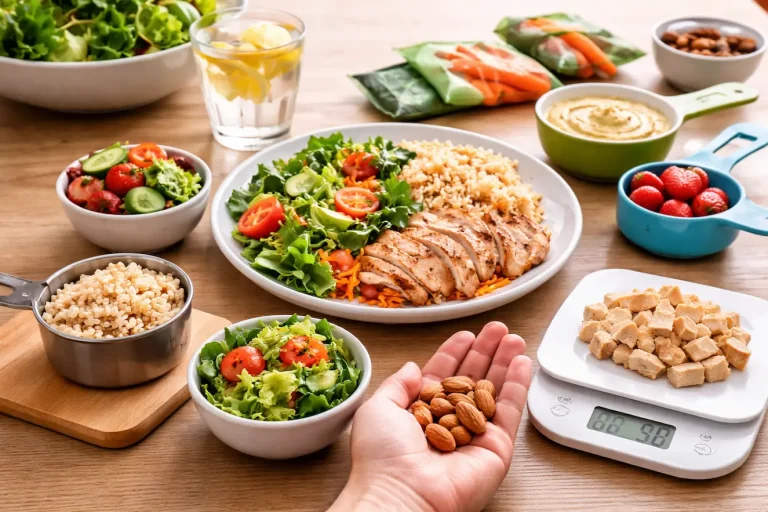
For example, a salad filled with fresh vegetables becomes much more satisfying when it also includes ingredients such as beans, grilled chicken, boiled eggs, tofu, or a small portion of nuts and seeds. Likewise, oatmeal often keeps people full longer when topped with yogurt, nuts, or seeds instead of being eaten by itself. These additions don’t dramatically change the meal, but they help create better balance.
Thinking about meals in terms of combinations rather than individual foods makes everyday eating much simpler. Instead of asking whether a single food is “good” or “bad,” consider whether your meal includes a variety of ingredients that work well together.
Choosing the Right Combination for Different Times of the Day
The foods that feel most satisfying in the morning may not always be the best choice before an afternoon walk or during a busy workday. Matching food combinations to your daily routine helps meals feel more practical while reducing unnecessary snacking between them.
Breakfast often benefits from combinations that include protein and fiber because they provide a steady start to the day. Midday meals usually work well when vegetables, whole grains, and a source of protein are combined, creating balanced lunches that remain satisfying throughout the afternoon. Evening meals, on the other hand, don’t necessarily need to be the largest of the day. A balanced plate with familiar ingredients is often enough to finish the day comfortably without feeling overly heavy.
There is no universal schedule that works for everyone. Activity level, work routines, and personal preferences all influence meal timing. The goal is to create combinations that fit naturally into your lifestyle instead of following rigid eating rules.
A Practical Guide to Everyday Food Pairings
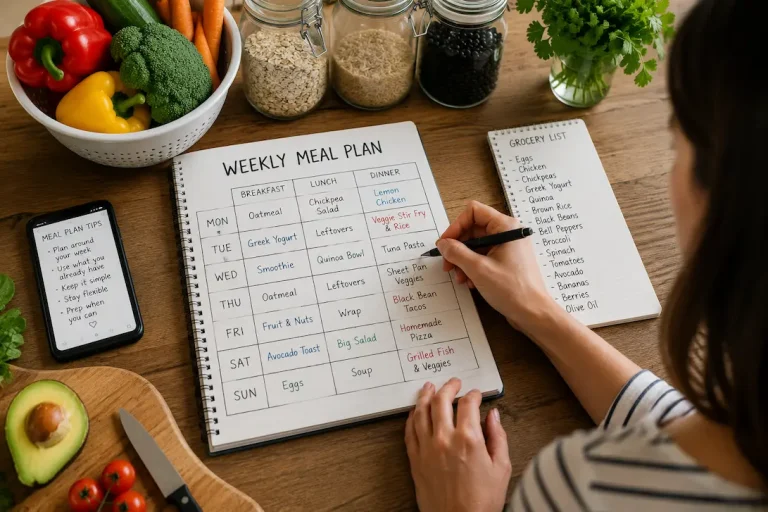
Keeping a few reliable combinations in mind makes planning meals much easier. Rather than searching for completely new recipes every day, you can build balanced meals using familiar ingredients in different ways.
| Food Combination | Why It Helps | Works Well For |
|---|---|---|
| Fruit + yogurt or nuts | Combines natural sweetness with protein or healthy fats | Mid-morning or afternoon snacks |
| Whole grains + vegetables | Adds fiber, texture, and lasting energy | Lunch or dinner |
| Eggs + colorful vegetables | Balanced meal with protein and variety | Breakfast or light dinner |
| Beans or lentils + whole grains | Plant-based protein with fiber | Lunches, meal preparation |
| Vegetables + hummus or avocado | Creates a satisfying snack with healthy fats | Between meals |
| Oats + nuts + fresh fruit | Balanced breakfast with different textures | Busy mornings |
This table isn’t meant to be a fixed meal plan. Instead, it provides ideas that can be adapted using seasonal ingredients and personal preferences while keeping meals balanced and satisfying.
Build Meals Around Balance Instead of Restriction
Many eating plans focus on removing certain foods, but lasting habits are often easier to build by thinking about what can be added instead. Instead of asking what should be avoided, ask what might make the meal more complete. This simple shift encourages variety without making everyday eating feel restrictive.
For example, if you’re preparing pasta, consider adding vegetables and a protein source rather than reducing the portion dramatically. If you’re enjoying soup, serving it with whole-grain bread or a bean-based side dish may create a meal that feels more satisfying. Small additions often have a greater impact on fullness than making meals significantly larger.
This balanced approach also allows room for flexibility. Family meals, celebrations, and favourite recipes can still fit within an overall healthy eating pattern when most everyday meals include thoughtful combinations rather than relying heavily on one type of food.
Variety Throughout the Week Matters More Than Perfection at Every Meal
One common misconception is that every plate needs to be perfectly balanced. In reality, eating habits develop over days and weeks, not through a single breakfast or dinner. Some meals will naturally be simpler than others, and that’s completely normal. Looking at your overall eating pattern usually provides a much more realistic picture than judging one individual meal.
Including different vegetables, grains, protein sources, fruits, and healthy fats throughout the week also makes meals more enjoyable. Variety helps prevent boredom in the kitchen while encouraging a wider range of nutrients from everyday foods. Rotating ingredients according to the season can also keep cooking interesting without requiring complicated recipes.
A flexible mindset supports consistency. When healthy eating feels practical instead of restrictive, it becomes much easier to continue over the long term.
Frequently Asked Questions
Do I need to combine every food group at every meal?
No. The goal is to create generally balanced meals over the course of the day rather than achieving perfect balance every time you eat. Simple combinations using familiar foods are often enough.
Can these food combinations help reduce unnecessary snacking?
Many people find that balanced meals containing protein, fiber, and healthy fats help them feel satisfied for longer. Individual experiences vary, but thoughtful meal composition can make it easier to maintain regular eating patterns.
Are expensive ingredients necessary for balanced meals?
Not at all. Everyday foods such as oats, eggs, beans, lentils, yogurt, seasonal vegetables, fruits, and whole grains can be combined in many practical and affordable ways.
Conclusion
Staying satisfied between meals isn’t simply about eating more food. Often, it’s about combining familiar ingredients in ways that create balanced, enjoyable meals capable of supporting steady energy throughout the day. Small adjustments, such as pairing fruit with protein, adding vegetables to grain-based dishes, or including healthy fats in snacks, can quietly improve everyday eating without making it feel complicated.
Rather than following strict food rules or searching for perfect meal plans, focus on building combinations that suit your routine, preferences, and available ingredients. Over time, these practical choices become everyday habits that make healthy eating feel more natural, more flexible, and much easier to maintain.