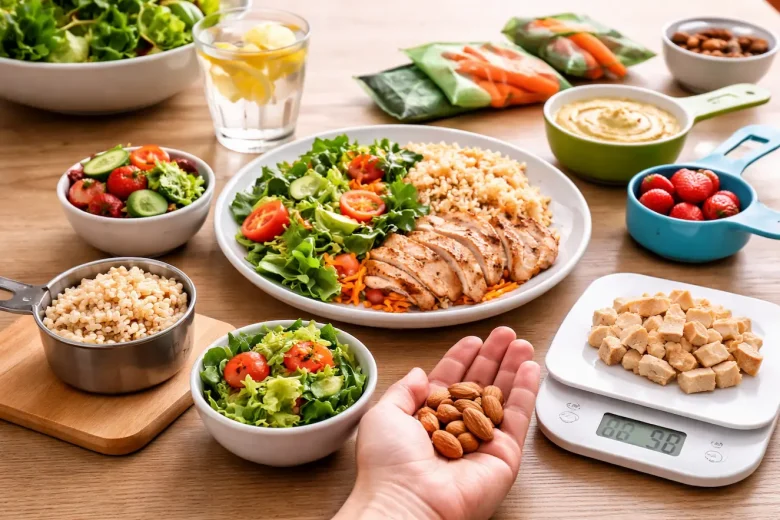
Many people try to improve their eating habits by following strict diets, only to find them difficult to maintain. Meals become restrictive, cravings increase, and eventually, old habits return. One of the main reasons this scenario happens is not necessarily the type of food being eaten but the portion sizes.
Underestimating daily consumption is a common mistake. Larger portions, frequent snacking, and distracted eating can all lead to overeating without realizing it.
The good news is that controlling portion sizes does not require strict dieting or eliminating favorite foods. With a few practical adjustments, it is possible to eat in a balanced way while still enjoying meals.
This guide explains how to manage portion sizes effectively using simple, realistic strategies that fit into everyday life.
Why Portion Control Matters More Than Strict Dieting
Portion control focuses on how much is eaten rather than what is eaten. This makes it more flexible and sustainable.
It reduces overeating naturally
Large portions often lead to consuming more calories than needed, even when eating healthy foods.
It allows flexibility
Instead of restricting certain foods, portion control helps manage intake without feeling deprived.
It supports long-term habits
Small, consistent changes are easier to maintain. The article “Why Small Nutrition Changes Matter Over Time” explains this idea well, demonstrating how gradual improvements lead to lasting results.
Common Reasons People Overeat
Understanding the causes helps in controlling portions effectively.
Eating Without Awareness
Watching TV or using a phone while eating makes it easy to lose track of how much you consume.
Large Plate Sizes
Bigger plates often lead to serving larger portions, even when hunger does not require it.
Emotional Eating
Stress, boredom, or habits can lead to eating even when not physically hungry.
Skipping Meals
Skipping meals can lead to excessive hunger, causing larger portions later in the day.
Fast Eating
Eating too quickly does not give the body enough time to signal fullness.
How Portion Sizes Affect Energy and Health
Portion sizes directly influence:
- Energy levels
- Weight management
- Digestion
- Overall well-being
Balanced portions help maintain steady energy throughout the day. For additional support, Everyday Nutrition Practices That Support Energy explains how eating habits impact daily performance.
Step-by-Step Guide to Controlling Portion Sizes
These steps focus on simple, practical adjustments rather than strict rules.
Step 1: Use Smaller Plates and Bowls
This is one of the easiest and most effective methods.
Smaller plates:
- Naturally limit portion size
- Create a visual sense of fullness
Step 2: Start With Balanced Portions
Instead of filling the plate randomly, aim for balance:
- Half plate → vegetables
- One-quarter → protein
- One-quarter → carbohydrates
This structure supports both portion control and nutrition.
Step 3: Eat Slowly and Mindfully
Take time to chew and enjoy food.
This helps:
- Recognize fullness
- Prevent overeating
Step 4: Avoid Eating Directly From Packages
Eating from large containers makes it difficult to track portions.
Instead:
- Serve a portion in a bowl or on a plate
- Put the rest away
Step 5: Listen to Hunger Signals
Learn to recognize:
- Physical hunger
- Fullness
A helpful way to improve awareness is by understanding body signals, as explained in Simple Methods to Understand Your Body Signals.
Step 6: Plan Meals in Advance
Planning helps avoid overeating due to last-minute decisions.
Simple strategies:
- Prepare portions ahead of time
- Keep healthy options available
Step 7: Stay Hydrated
Sometimes thirst is mistaken for hunger.
Drinking water before meals can help
- Reduce unnecessary eating
- Improve portion control
The Role of Daily Habits in Portion Control
Portion control is not just about meals—daily habits influence it.
Consistent meal timing
Regular meals help prevent extreme hunger and overeating.
Balanced nutrition
Eating nutrient-rich foods improves satiety and reduces cravings.
If maintaining balanced meals feels challenging, Simple Nutrition Hacks for Busy Daily Schedules offers practical solutions for everyday routines.
Physical activity
Regular movement supports appetite regulation and overall health.
A Practical Perspective on Portion Control
Many people assume portion control requires strict measurement or calorie counting. In practice, simple awareness often works better.
In my experience, the greatest change came from slowing down during meals. Eating quickly often led to finishing large portions without noticing fullness.
What worked for me was using smaller plates and pausing halfway through meals. This made it easier to decide whether more food was actually needed.
One mistake I made was trying to reduce portions too drastically. These actions led to hunger and increased snacking later. Balanced portions, rather than minimal ones, proved to be more effective.
Over time, portion control became more natural and required less effort.
Common Mistakes to Avoid
- Cutting portions too aggressively
Leads to hunger and overeating later - Skipping meals
Causes larger portions in the next meal - Eating too quickly
Prevents recognizing fullness - Distracted eating
Reduces awareness of portion size - Relying on willpower alone
Systems and habits are more effective
Pro Tips for Better Portion Control
Use visual cues
Instead of measuring food, use plate sections to guide portions.
Pause before second servings
Wait a few minutes before deciding to eat more.
Keep healthy snacks available
This helps avoid overeating during main meals.
Maintain regular eating patterns
Irregular meals often lead to larger portions.
Focus on satisfaction, not restriction
Meals should feel balanced and satisfying, not limiting.
FAQs
Do I need to count calories to control portions?
No. Simple visual methods and mindful eating are often enough for effective portion control.
Can I eat my favorite foods while controlling portions?
Yes. Portion control allows flexibility without completely restricting foods.
How long does it take to adjust to smaller portions?
It usually takes a few days to a couple of weeks for the body to adapt to new portion sizes.
What if I still feel hungry after eating?
Wait a few minutes, drink water, and reassess. Sometimes fullness signals take time.
Is portion control enough for weight management?
It can be effective when combined with balanced nutrition and regular activity.
Conclusion
Controlling portion sizes is one of the most practical ways to improve eating habits without strict dieting. It allows flexibility, reduces overeating, and supports long-term consistency.
By making small adjustments—such as using smaller plates, eating mindfully, and paying attention to hunger signals—it becomes easier to maintain balanced eating patterns.
The goal is not restriction, but awareness. With time and consistency, portion control becomes a natural part of everyday life, leading to better health and sustainable results.