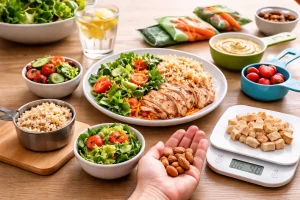
Most people want to eat healthier, but the idea of “healthy eating” often feels complicated. It sounds like you need expensive ingredients, strict meal plans, or hours in the kitchen. I used to think the same way. But over time, I realised something simple: improving nutrition doesn’t have to mean changing everything—it’s about small, effortless upgrades to the food you already eat.
In this article, I’ll share how I naturally add more nutrients to my everyday meals without extra effort, without strict dieting, and without making cooking stressful. These are simple habits anyone can follow, especially beginners who want better energy, better eating habits, and more balanced meals.
The Core Idea: Upgrade, Don’t Replace Your Meals
The biggest mindset shift that helped me was this: I don’t replace my meals—I upgrade them.
Instead of forcing myself into a new diet, I simply add nutrient-dense ingredients to the meals I already enjoy. This makes the process easy, sustainable, and realistic.
Why this works so well:
- You don’t feel restricted
- You don’t need new recipes every day
- You reduce food waste
- You naturally improve your diet over time
For example, instead of changing my breakfast completely, I just add seeds or fruit. Instead of changing lunch, I enhance it with vegetables or protein boosts.
Smart Breakfast Upgrades That Require Zero Extra Cooking
Breakfast is the easiest meal to improve because small additions make a big difference.
1. Adding Seeds to Everyday Breakfasts
I often add:
- Chia seeds
- Flaxseeds
- Sunflower seeds
These don’t change the taste much, but they instantly upgrade nutrition. I sprinkle them on oatmeal, yoghurt, or even toast with peanut butter.
2. Fruit as a Natural Sweetener
Instead of sugar or syrup, I use:
- Bananas
- Apples
- Berries (fresh or frozen)
They make breakfast naturally sweet by adding fibre and vitamins.
3. Nut Butters for Healthy Fats
A spoon of peanut butter or almond butter on toast or oats makes breakfast more filling and balanced.
4. Quick Protein Boost
Without cooking extra food, I sometimes add the following:
- Greek yogurt
- Milk
- A boiled egg (if already prepared in advance)
These small additions keep me full for longer and reduce mid-morning cravings.
Easy Lunch Improvements Without Changing Your Favorite Meals
Lunch is where most people struggle—they either overeat or eat something too basic. I focus on improving what’s already on my plate.
1. The “Vegetable First” Habit
Before anything else, I try to add vegetables to my lunch:
- Cucumber slices
- Tomatoes
- Carrots
- Lettuce or spinach
Even a small portion makes a difference.
2. Mixing Vegetables into Main Dishes
Instead of eating vegetables separately, I mix them into:
- Rice dishes
- Pasta
- Sandwich fillings
This approach makes meals more colourful, filling, and nutrient-rich without extra effort.
3. Adding Protein Without Complication
I often include simple protein sources, like:
- Eggs
- Lentils (dal)
- Chickpeas
- Chicken leftovers
No complicated recipes—just additions to what I already cook.
4. Using Healthy Toppings
I upgrade meals with the following:
- Olive oil drizzle
- Lemon juice
- Yogurt-based sauces
These small touches improve taste and nutrition at the same time.
Simple Dinner Hacks for Lighter, Balanced Meals
Dinner is where I try to keep things simple but balanced, especially after a long day.
1. Soup-Style Additions
Even when I’m eating regular food, I sometimes add a small bowl of the following:
- Vegetable soup
- Lentil soup
- Clear broth with veggies
It increases hydration and nutrient intake without feeling heavy.
2. Half Plate Rule
A simple habit I follow:
- Half-plate vegetables
- Quarter protein
- Quarter carbs (rice, roti, etc.)
This balance helps without strict counting or measuring.
3. Light Cooking Methods
Instead of frying everything, I often choose:
- Boiling
- Steaming
- Light sautéing
This keeps nutrients more intact and meals lighter.
4. Evening Fruit Option
If dinner feels heavy, I sometimes replace dessert with the following:
- A banana
- An apple
- Seasonal fruit
It satisfies cravings without processed sugar.
Kitchen Staples That Make Nutrition Effortless
One of the easiest ways I improved my diet was by keeping simple nutrient-rich staples in my kitchen at all times.
My go-to essentials:
- Oats
- Eggs
- Lentils
- Frozen vegetables
- Rice and whole wheat flour
- Nuts and seeds
- Yogurt
Why this matters:
When healthy ingredients are always available, you don’t need extra effort or planning. You just combine what you already have.
The “Hidden Nutrition” Trick I Use Daily
One of my favourite strategies is adding nutrition in ways that don’t feel obvious.
1. Blending Vegetables Into Sauces
I sometimes blend:
- Spinach into sauces
- Carrots into curry bases
- Tomatoes into gravies
This way, I get extra nutrients without changing the taste too much.
2. Adding Greens to Smoothies
If I make a smoothie, I add:
- Spinach
- Kale (if available)
- Cucumber
It blends smoothly with fruits like banana or mango.
3. Mixing Seeds Into Flour or Batter
I sometimes mix flaxseeds or oats into the following:
- Roti dough
- Pancake batter
This makes everyday foods more nutrient-dense without changing cooking habits.
How I Make Snacking More Nutritious Without Thinking Too Much
Snacking is where most unhealthy eating happens. I fixed this by simply upgrading snacks instead of removing them.
Better snack options I use:
- Nuts instead of chips
- Fruit instead of sweets
- Yogurt instead of processed desserts
- Roasted chickpeas instead of fried snacks
Simple rule I follow:
If I’m hungry between meals, I choose something that adds value to my body, not just empty calories.
Time-Saving Habits That Make Healthy Eating Effortless
I don’t spend extra time cooking every day. Instead, I use small habits that make nutrition automatic.
1. Prepping Once, Using Multiple Times
I prepare:
- Boiled eggs for 2–3 days
- Chopped vegetables for quick use
- Cooked lentils stored in fridge
2. Batch Cooking Basics
Instead of cooking everything daily, I prepare the following:
- Rice
- Lentils
- Grilled or boiled proteins
Then I mix and match throughout the week.
3. Keeping It Simple
I avoid overcomplicating meals. The simpler the system, the easier it is to stay consistent.
The Real Secret: Consistency Over Perfection
One of the biggest lessons I learned is that nutrition is not about perfect meals—it’s about consistent small improvements.
You don’t need:
- Expensive superfoods
- Complicated meal plans
- Strict diets
You just need:
- Small upgrades
- Daily habits
- Simple ingredient swaps
Over time, these small changes add up to a much healthier lifestyle.
Common Mistakes People Make When Trying to Eat Healthier
Before I improved my eating habits, I made several mistakes that slowed me down.
1. Trying to change everything at once
This usually leads to burnout.
2. Overcomplicating meals
Too many ingredients = stress and inconsistency.
3. Ignoring simple foods
Basic foods like lentils, rice, eggs, and vegetables are often enough.
4. Thinking healthy eating is expensive
Most nutritious foods are actually affordable and accessible.
Conclusion
Adding nutrients to everyday meals doesn’t require a complete lifestyle overhaul. It’s about simple, realistic improvements—like adding seeds to breakfast, vegetables to lunch, or protein to dinner.
When you focus on upgrading what you already eat instead of replacing everything, healthy eating becomes effortless and sustainable. Over time, these small habits build a stronger, more balanced diet without stress or confusion.
The key takeaway is simple: don’t aim for perfection—aim for consistency. Small steps, repeated daily, create the biggest transformation.
FAQs
1. Can I really improve my diet without changing my meals completely?
Yes. Small additions like vegetables, seeds, and protein sources can significantly improve your meals without changing your eating habits.
2. What is the easiest way to add nutrients to breakfast?
The easiest method is adding seeds, fruits, or nut butter to foods you already eat, like oats, toast, or yoghurt.
3. Do I need expensive superfoods to eat healthy?
No. Simple foods like eggs, lentils, rice, vegetables, and fruits are already highly nutritious and budget-friendly.
4. How can I make snacks healthier without feeling restricted?
Replace processed snacks with natural options like nuts, fruits, yoghurt, or roasted chickpeas.
5. What is the biggest secret to consistent healthy eating?
Consistency. Small daily improvements matter more than perfect diets or strict rules.